
Kirjailija
Oscar Wilde
Kirjat ja teokset yhdessä paikassa: 2 744 kirjaa, julkaisuja vuosilta 1890–2026, suosituimpiin kuuluu Aforismeja. Vertaile teosten hintoja ja tarkista saatavuus suomalaisista kirjakaupoista.
2 744 kirjaa
Kirjojen julkaisuvuodet: 1890–2026.
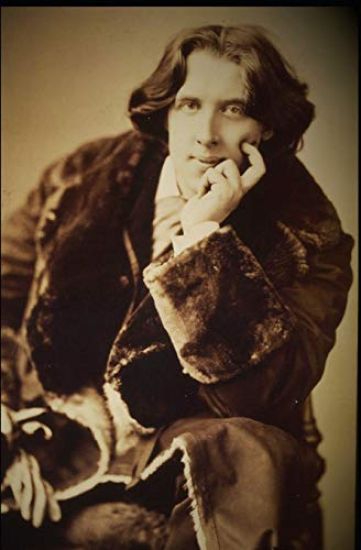
Oscar Fingal O'Flahertie Wills Wilde (16 October 1854 - 30 November 1900) was an Irish poet and playwright. After writing in different forms throughout the 1880s, he became one of London's most popular playwrights in the early 1890s. He is best remembered for his epigrams and plays, his novel The Picture of Dorian Gray, and the circumstances of his criminal conviction for "gross indecency", imprisonment, and early death at age 46. Wilde's parents were successful Anglo-Irish intellectuals in Dublin. Their son became fluent in French and German early in life. At university, Wilde read Greats; he proved himself to be an outstanding classicist, first at Trinity College Dublin, then at Oxford. He became known for his involvement in the rising philosophy of aestheticism, led by two of his tutors, Walter Pater and John Ruskin. After university, Wilde moved to London into fashionable cultural and social circles. As a spokesman for aestheticism, he tried his hand at various literary activities: he published a book of poems, lectured in the United States and Canada on the new "English Renaissance in Art" and interior decoration, and then returned to London where he worked prolifically as a journalist. Known for his biting wit, flamboyant dress and glittering conversational skill, Wilde became one of the best-known personalities of his day. At the turn of the 1890s, he refined his ideas about the supremacy of art in a series of dialogues and essays, and incorporated themes of decadence, duplicity, and beauty into what would be his only novel, The Picture of Dorian Gray (1890). The opportunity to construct aesthetic details precisely, and combine them with larger social themes, drew Wilde to write drama. He wrote Salome (1891) in French while in Paris but it was refused a licence for England due to an absolute prohibition on the portrayal of Biblical subjects on the English stage. Unperturbed, Wilde produced four society comedies in the early 1890s, which made him one of the most successful playwrights of late-Victorian London. (wikipedia.org)

Voici la seconde fois que vous me faites cette observation. Si l'on fait part d'une id e un v ritable Anglais - ce qui est toujours une chose t m raire - il ne cherche jamais savoir si l'id e est bonne ou mauvaise; la seule chose laquelle il attache quelque importance est de d couvrir ce que l'on en pense soi-m me. D'ailleurs la valeur d'une id e n'a rien voir avec la sinc rit de l'homme qui l'exprime. la v rit , il y a de fortes chances pour que l'id e soit int ressante en proportion directe du caract re insinc re du personnage, car, dans ce cas elle ne sera color e par aucun des besoins, des d sirs ou des pr jug s de ce dernier. Cependant, je ne me propose pas d'aborder les questions politiques, sociologiques ou m taphysiques avec vous. J'aime mieux les personnes que leurs principes, et j'aime encore mieux les personnes sans principes que n'importe quoi au monde. Parlons encore de M. Dorian Gray.
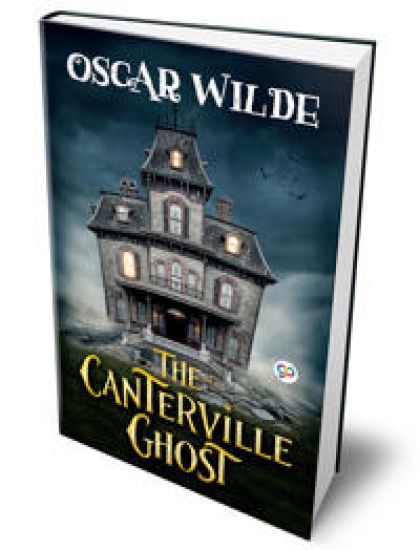
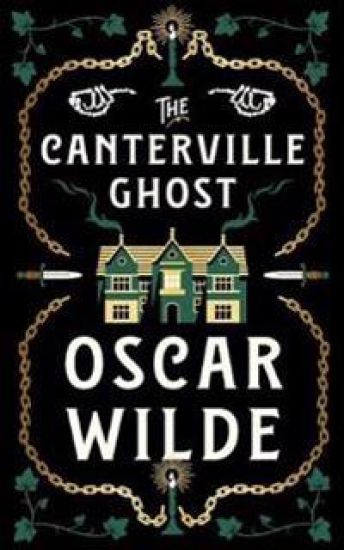
The Canterville Ghost' is a humorous tale of an English ghost, set in Canterville Chase, an ancient English house that has all the requisite signs of appearing haunted. An American family of six the Otis family moves into the house despite being warned that the house is haunted. None of the members of the Otis family believe in the presence of the ghost. However, they keep finding the increasing evidence of the ghost's presence. Despite that, the Otises refuse to believe that the house is haunted. From clanking chains to strange apparitions to bloodstains that keep reappearing, they take everything in their stride. They go about their life as usual, not frightened in the least. Only Virginia, the daughter of the Otis family, believes that the ghost exists. The narrator of the story is none other than Sir Simon, the ghost himself. He is characterised by a colorful personality and complex emotions. His regular talks with Virginia about matters of life and death reveal the complexity of his feelings. 'The Canterville Ghost' first appeared in 'The Court and Society Review Magazine' in February 1887. It has been adapted for film, theatre, and music.
This book has been considered by academicians and scholars of great significance and value to literature. This forms a part of the knowledge base for future generations. So that the book is never forgotten we have represented this book in a print format as the same form as it was originally first published. Hence any marks or annotations seen are left intentionally to preserve its true nature.
Large Print Edition of Oscar Wilde's must-read classic.
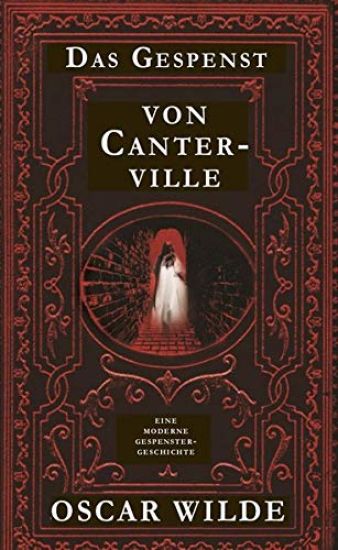
Una familia norteamericana se instala a vivir en un antigua castillo en Inglaterra. Al poco tiempo, la tranquilidad de la noche se ve trastocada por extra os ruidos: arrastrar de cadenas oxidadas y pasos en medio de la peor de las tormentas. Los Otis adquirieron la mansi n a pesar de la advertencia de que esta era habitada por El fantasma de Canterville, que durante siglos hab a sembrado terror y muerte entre sus habitantes. C mo enfrentaran los peque os gemelos Otis a un viejo y cansado fantasma? C mo har la se ora Otis para limpiar las a ejas manchas de sangre del piso? C mo podr el alma del fantasma descansar por fin, luego de tantos y tantos a os de asustar a la gente? Este cuento del escritor irland s Oscar Wilde es un cl sico en donde se combinan el terror, la aventura y el sentido del humor. El fantasma de Canterville te sorprender con sus ocurrencias y sus deseos de cumplir la misi n de todo fantasma: pegarte un buen susto
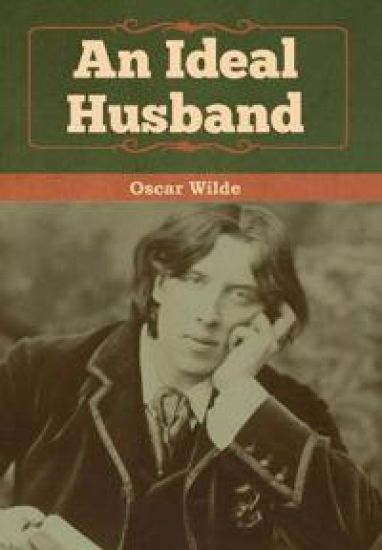
First performed in 1895, "An Ideal Husband" is Oscar Wilde's classic and much-loved comedic drama. The play tells the story of an up-and-coming politician, Sir Robert Chiltern, who tries to hide his secret past from his judgmental wife and the blackmail scheme he is forced to participate in to keep that secret quiet. Lady Chiltern has a very particular idea of what makes the "ideal husband" which leaves her with little tolerance for Sir Robert's all too human shortcomings and compromises. With his biting wit and brilliant powers of observation, Wilde highlights the moral ambiguity of politicians and the hypocrisy of the British aristocracy. With the help of a complex and fascinating cast of supporting characters, Sir Robert and Lady Chiltern must re-evaluate their moral convictions and what constitutes honor in the private and public sphere. Immediately popular after its first production, "An Ideal Husband" continues to entertain and challenge audiences to this day. Wilde's play is a first-rate comedy that challenges its audience with the basic theme of morality and the greater standard that seems to fall upon those individuals in the public eye. This edition is printed on premium acid-free paper.
You will always be fond of me. I represent to you all the sins you have never had the courage to commit. Dorian Gray - handsome, clever, wretched. With his boyish good looks and charm to boot, Dorian Gray is the embodiment of refinement, grace, and allure. As with all beautiful things, he knows his good looks will not last. That is until an artist completes a portrait of Dorian. When Dorian sees the completed oil painting, he expresses his desire to sell his soul so that the painting would endure the normal hardships that age ravages upon beauty. And so his wish was granted, and as decades passed on by, his immorality increased but he himself never ages a day. The painting, however, has had to endure all of Dorian's misdeeds; thus, becoming a reflection of Dorian's true character
Der junge Dorian Grey l sst ein Bildnis seiner jugendlichen Sch nheit anfertigen und bedauert, dass er altern und daher nicht mehr die Sch nheit seiner Jugend erhalten k nnen wird. Er u ert den Wunsch, das Bild m ge an seiner statt alt werden, und sein Wunsch geht in Erf llung. Doch hat Dorian Grey nicht mit den Folgen der Erf llung seines Wunsches nach ewiger Sch nheit gerechnet.
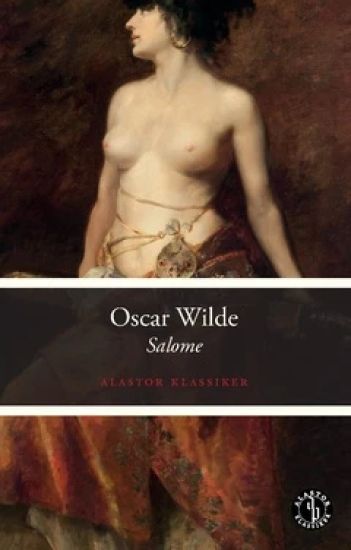
”Ah! du ville inte låta mig kyssa din mun, Iokanaan. Då skall jag kyssa den nu. Jag skall bita den med mina tänder så som man biter i en mogen frukt. Ja, jag skall kyssa din mun, Iokanaan. Jag sade ju det, inte sant? Jag sade ju det? Då skall jag kyssa den, nu.” Detta är en unik, trespråkig utgåva av Oscar Wildes pjäs Salome. Den innehåller den franska originaltexten, den första översättningen till engelska komplett med Aubrey Beardsleys illustrationer, samt Hillevi Hellbergs nyöversättning till svenska. Texten föregås av ett initierat förord av Cecilia Carlander och är utförligt försedd med kommentarer av översättaren.
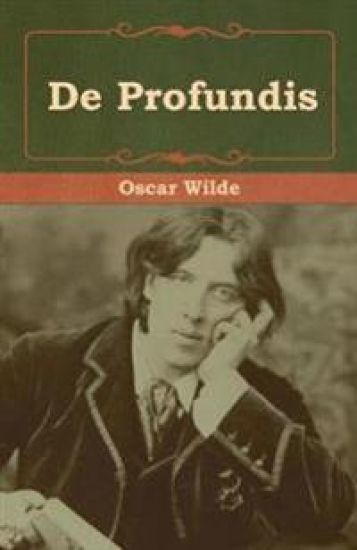
De Profundis (Latin: "from the depths") is a 50,000 word letter written by Oscar Wilde during his imprisonment in Reading Gaol, to Lord Alfred Douglas, his lover. Wilde wrote the letter between January and March 1897; he was not allowed to send it, but took it with him upon release. In it he repudiates Lord Alfred for what Wilde finally sees as his arrogance and vanity; he had not forgotten Douglas's remark, when he was ill, "When you are not on your pedestal you are not interesting." He also felt redemption and fulfillment in his ordeal, realizing that his hardship had filled the soul with the fruit of experience, however bitter it tasted at the time.