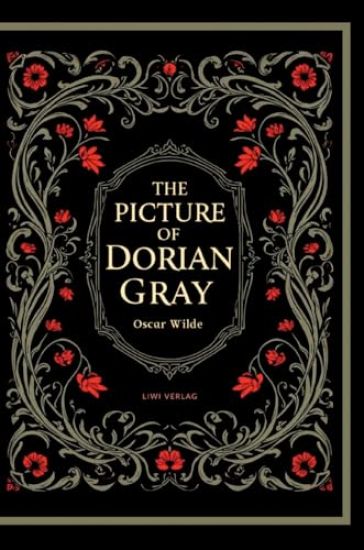
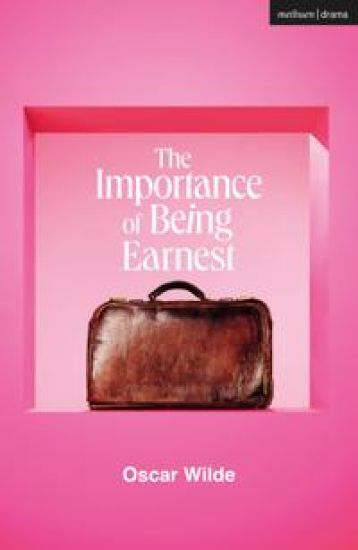
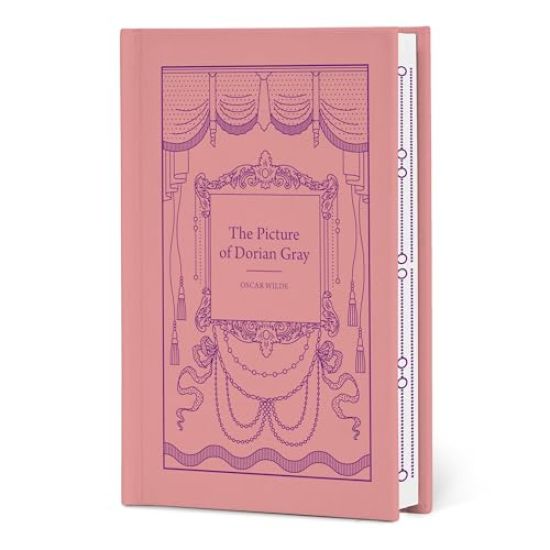
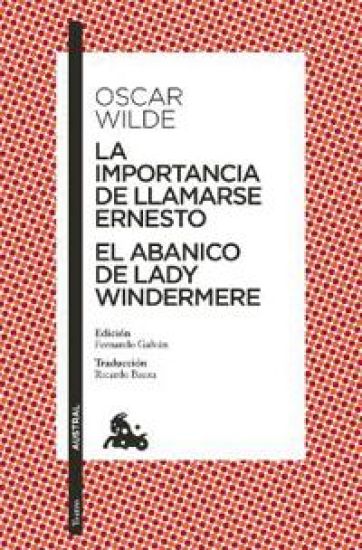
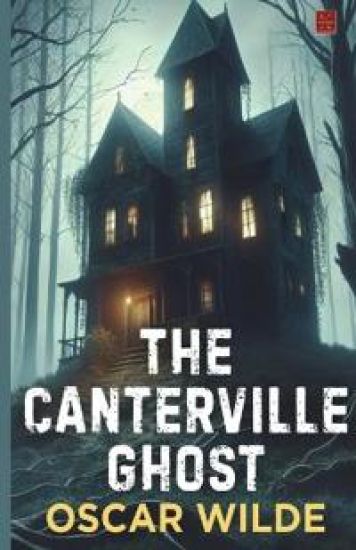
Dos obras imprescindibles del teatro ingl s del siglo XIX. Oscar Wilde (1854-1900) es para muchos la figura emblem tica del dandi ingl s. Pero esa imagen del artista del esteticismo extremado tambi n se vincula a la figura perseguida por la doble moral dominante de su tiempo. Durante d cadas despu s de su muerte, Wilde fue objeto de controversia y, a pesar de la condena judicial y moral a la que fue sometido, el inter s del p blico por su obra no decreci . Su producci n abarca casi todos los g neros literarios (novela, cuento, ensayo, poes a), pero es en sus obras teatrales donde despliega todo su talento art stico, como lo demuestran La importancia de llamarse Ernesto y El abanico de Lady Windermere. Wilde se sirvi en ellas de las convenciones y temas del teatro de su tiempo, especialmente del melodrama y de la comedia de costumbres del teatro cl sico ingl s, pero, gracias al ingenio verbal que le caracterizaba y a su singular capacidad para re rse de la realidad circundante sin causar la reacci n negativa del p blico, logr trascender sus modelos y dignificar un g nero que se hallaba en decadencia art stica. ENGLISH DESCRIPTION Two essential works of 19th-century English theater. Oscar Wilde (1854-1900) is widely regarded as the emblematic figure of the English dandy. Yet this image of an artist devoted to extreme aestheticism is also tied to a man persecuted by the dominant double standards of his time. For decades after his death, Wilde remained a controversial figure, and despite the moral and legal condemnation he faced, public interest in his work never waned. His literary output spans nearly every genre (novel, short story, essay, poetry), but it's in his plays that Wilde's artistic brilliance truly shines, as seen in The Importance of Being Earnest and Lady Windermere's Fan. Drawing on the conventions and themes of his era's theater--especially melodrama and the comedy of manners from classic English drama--Wilde used his signature wit and unique ability to satirize reality without alienating audiences to elevate and revitalize a genre in artistic decline.