

Kirjailija
Owen Wister
Kirjat ja teokset yhdessä paikassa: 285 kirjaa, julkaisuja vuosilta 1972–2026, suosituimpiin kuuluu Straight Deal. Vertaile teosten hintoja ja tarkista saatavuus suomalaisista kirjakaupoista.
285 kirjaa
Kirjojen julkaisuvuodet: 1972–2026.

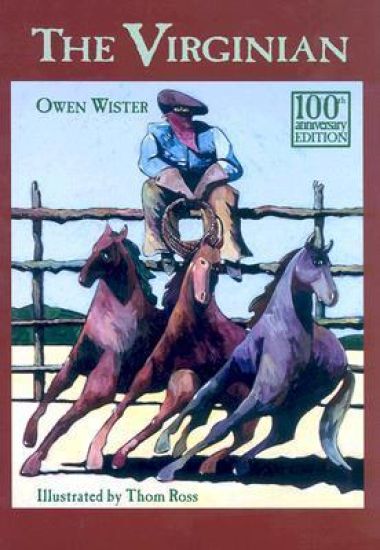
Considered the greatest western of all time- "When you call me that, smile!" finds its origins in the book-this classic tells the story of the Wyoming ranch foreman known only as the Virginian, his courtship of school teacher Molly Wood, and his encounters with the murdering cattle rustler, Trampas. Made into a feature film no less than five times since it was first published in 1902, The Virginian was voted by the Western American Writers in 1977 as the greatest western novel of all time. The 100th Anniversary Edition, published in cooperation with the Buffalo Bill Historical Center, features specially commissioned art from contemporary western artist Thom Ross in two editions, a trade and a limited. The limited edition, signed and numbered by the artist, is encased in a clamshell box and also includes an additional Ross lithograph.
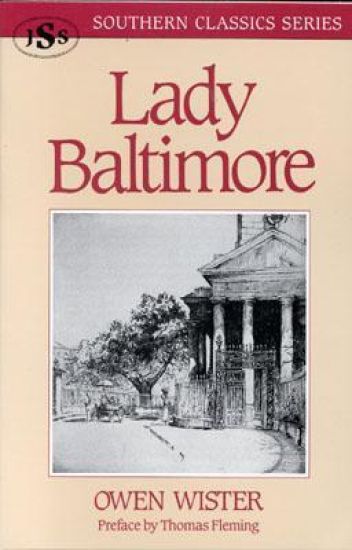
The classic novel of post-Civil War Charleston life, a portrayal of the process of healing the wounds of war through reconciliation between Northerners and Southerners on a personal, not political, level. Southern Classics Series.
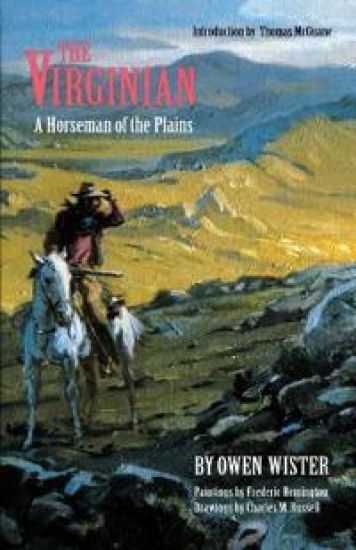
Dime novels had featured some rather scrawny horse-bound tenders of cattle, but not until 1902 did the cowboy become a fully realized article of American culture. That year Owen Wister, a native of Philadelphia, published the novel that established the conventions of the western. An immediate best seller, it has never faded from public consciousness. Suddenly there was the natural aristocrat, the Virginian, who faced down the archetypal villain. Trampas, flinging at him the unforgettable words "When you call me that, smile!" There was the eastern schoolteacher, Molly, far from being a wilted flower. They moved in the raw, bracing atmosphere that generations of readers and moviegoers would come to expect from westerns. To read The Virginian, again or for the first time, is to enter a cultural phenomenon. This Bison Book makes available once more the memorable 1929 edition that brought together the art of Frederic Remington and Charles M. Russell. It adds an introduction by one of today's most brilliant creators of rugged individualists, Thomas McGuane. The author of Nobody's Angel (1982) and Keep the Change (1989), McGuane shows how The Virginian "bears all the advantages and disadvantages of being a precursor."