Kirjojen hintavertailu – 12 859 829 kirjaa ja 27 kauppaa

Kirjailija

P K Ghosh

Kirjat ja teokset yhdessä paikassa: 9 kirjaa, julkaisuja vuosilta 2010–2025, suosituimpiin kuuluu Microbial Biopesticides in India. Vertaile teosten hintoja ja tarkista saatavuus suomalaisista kirjakaupoista.

Nimi esiintyy myös muodoissa: P. K. Ghosh

9 kirjaa

Kirjojen julkaisuvuodet: 2010–2025.

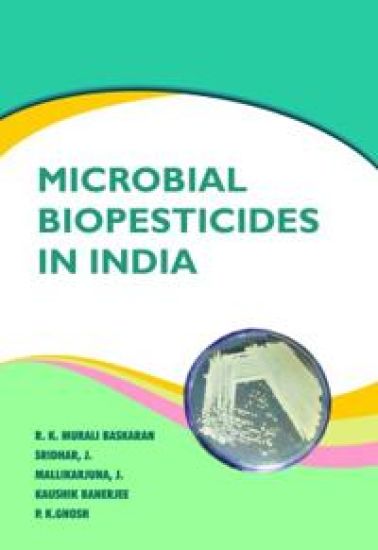
Microbial Biopesticides in India

Microbial Biopesticides in India

R. K. Murali Baskaran; Sridhar J.; Mallikarjuna J.; Kaushik Banerjee; P. K. Ghosh

New India Publishing Agency
2022
sidottu
Indias biopesticide industry has experienced remarkable growth in recent times, including increased demand and consumption. By 2040 to 2050, the biopesticide industry is expected to either match or surpass that of chemical pesticides. This growth is attributed to the anticipated increase in global population to 9 billion by 2050 and the subsequent need to increase food production by 70% of current levels to feed this population. However, there is a pressing need to adopt Integrated Pest Management (IPM) practices that involve the judicious use of inorganic inputs in combination with environmentally friendly methods such as microbial biopesticides. This approach can help enhance food production to meet the anticipated demand while minimizing the negative impact on the environment.

River Water Quality Evaluation and Remedies

River Water Quality Evaluation and Remedies

P K Ghosh; Vivek Verma

SCHOLARS' PRESS
2025
pokkari
This book investigates the pollution of the Sheonath River in India, analyzing the impact of industrial and domestic waste over two years. The study examines the river's declining water quality through physico-chemical and biological assessments, revealing high levels of pollutants such as heavy metals, organic waste, and nutrients. These contaminants have disrupted the river's self-purification process, affecting aquatic ecosystems and making the water unsuitable for human consumption. The research identifies indicator organisms to evaluate water health and correlates pollution levels with industrial discharges. To mitigate contamination, the authors propose sustainable remediation methods, including bioreactors, aerated lagoons, and the Integrated Aquatic Macrophyte-Based System (IAMBS), which uses aquatic plants for natural filtration. The book underscores the urgency of effective waste management and ecological restoration to safeguard the Sheonath River and other freshwater resources from further degradation.