Kirjojen hintavertailu – 12 903 737 kirjaa ja 27 kauppaa

Kirjailija

Packianathan Chelladurai

Kirjat ja teokset yhdessä paikassa: 4 kirjaa, julkaisuja vuosilta 2014–2026, suosituimpiin kuuluu Research Methods and Design in Sport Management. Vertaile teosten hintoja ja tarkista saatavuus suomalaisista kirjakaupoista.

4 kirjaa

Kirjojen julkaisuvuodet: 2014–2026.

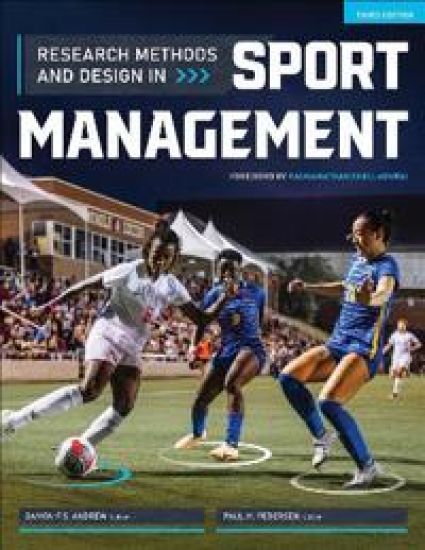
Research Methods and Design in Sport Management

Research Methods and Design in Sport Management

Packianathan Chelladurai

Human Kinetics Publishers
2026
pokkari
Learn how to collect, analyze, and share sport management research. The third edition of Research Methods and Design in Sport Management reflects the ever-evolving area of sport management research. With a strong emphasis on both qualitative and quantitative approaches, the book examines the entire research process and equips readers to produce high-quality, ethically sound, and impactful research tailored to the unique challenges of sport management. The following are new to the third edition: Four chapters on the latest theories in sport management as well as the most recent methodologies—conjoint analysis, machine learning, and systematic review and meta-analysis—in response to the growing interest in data-driven decision making and consumer behavior modeling Updates to the visuals, including a full-color design and added photos Discussion of the ethics surrounding the responsible use of artificial intelligence in conducting research Significant updates throughout the text to modernize its approach, including enhanced coverage of data analysis methods and tools as well as updated examples from current sport industry contexts such as esports, sport ecology, and social media analytics This new edition exposes readers to the latest developments in sport research and emphasizes the importance of theoretical grounding and advanced statistical techniques, making the book more relevant to both academic and applied audiences. To ensure readers can effectively apply the research concepts presented, practical examples of past research by leading sport management scholars are incorporated throughout the text. At the conclusion of each chapter, a Research Methods and Design in Action feature links students to relevant articles excerpted from the Journal of Sport Management and Sport Management Education Journal to serve as supplemental learning scenarios. Research Methods and Design in Sport Management, Third Edition, is a valuable tool for anyone looking to engage in the broad spectrum of research opportunities in sport management. With the help of this book, readers will ensure that they properly collect, analyze, and share research to inform strategic business decisions.
Human Resource Management in Sport and Recreation

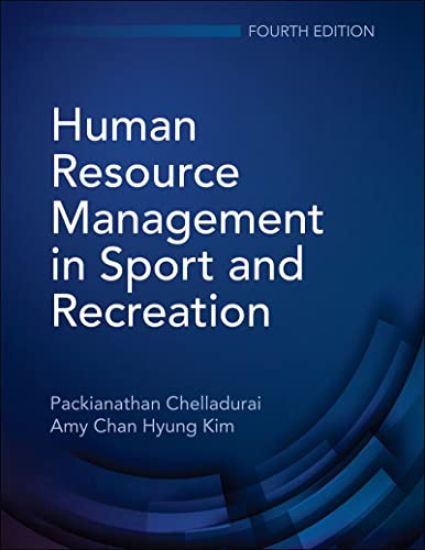
Human Resource Management in Sport and Recreation

Packianathan Chelladurai; Amy Chan Hyung Kim

Human Kinetics Publishers
2022
pokkari
The authoritative text for current and future practitioners of human resources management in the sport and recreation industries is back in a revised fourth edition. This new edition addresses contemporary issues that organizations face today. Human Resource Management in Sport and Recreation, Fourth Edition, offers a solid foundation in research and application, and it provides a holistic perspective of human resource management by bringing together the three groups of people who constitute human resources across sport and recreation organizations: paid professionals, volunteers, and the clients themselves. Dr. Packianathan Chelladurai, a pioneer in the field of sport management, is joined by Dr. Amy Chan Hyung Kim to lend expertise gained from more than four decades of teaching human resource management. They guide students through four parts, starting with an outline of the common characteristics of the three groups of people that make up human resources. Part II focuses on individual differences among people and how those differences affect behavior within organizations. In part III, students will explore organizational processes, and part IV discusses two significant outcomes expected of human resource practices: satisfaction and commitment. The conclusion uses 10 guiding themes to bring all the concepts together with an eye toward the future of the field. Updated to address current topics such as social issues and diversity, the fourth edition reflects the increasing complexity of human resource management across the field of recreation and sport. Modern issues and their real-world implications are represented throughout the text with recurring sidebars. Diversity Management of Human Resources: offer insights into how and when to promote and manage diversityCrisis Management: address the role of human resource management during emergency situations, such as the COVID-19 pandemicSocial Phenomena and Human Resource Management: assess the impact of major social events or movementsLegal Considerations in Human Resource Management: focus on legal matters in the fieldFrom the Field: provide professional insights from leading practitioners across a variety of sport contextsCase studies, discussion questions, and activities provide further opportunity for students to understand relevant research with real-world application of concepts. With clear explanations of concepts and current practices in human resources across the sport and recreation industries, Human Resource Management in Sport and Recreation, Fourth Edition, is a valuable resource for future and current practitioners alike.
Managing Organizations for Sport and Physical Activity
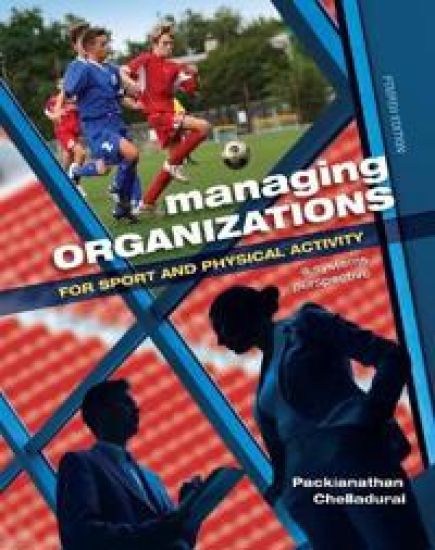
Managing Organizations for Sport and Physical Activity, fourth edition, presents a clear and concise treatment of managing organizations in sport and physical activity. The four functions of management--planning, organizing, leading, and evaluating--provide a general framework that represents the simplest and best approach for introducing readers to the intricacies of management. For each management function, Chelladurai presents relevant theories and their practical applications, citing those theoretical models that are most appropriate to the unique aspects of the sports industry. He uses the open systems perspective, placing organizations in the context of their environment and emphasizing the manager's role in adapting and reacting to changes in that environment. To apply theory to sport management practices, Chelladurai provides numerous examples from the fields of physical activity and sport, including professional sports, intercollegiate athletics, health and sports clubs, and recreation/fitness programs. New to the Fourth EditionA chapter on service quality, which describes the notion of quality in sport management services--from the local fitness center to the pro sport arena. It also discusses the measurement of service quality and the gaps in translating customer expectations into the desired service. A new feature providing "An Expert's View," which offers additional perspectives on relevant topics contributed by scholars who research and publish in a specific area. New sidebars on current topics relevant to the field of sport management; some examples include US Track and Field's SMART goal setting as well as genes and technology of leadership. Pedagogical AidsDeveloping Your Perspective. Thought-provoking questions ask learners to apply theoretical information to contexts relevant to them from their current experiences or in their future careers. Managing Your Learning. Key points from each chapter enhance comprehension. Strategic Concepts. Key terms lists provide for a shared vocabulary in discussing the major concepts of management. In Brief. Short summaries of the important points in a section help crystallize concepts. To Recap. Brief boxes revisit key concepts discussed earlier in the book. Extensive references to journals, scholarly texts, and relevant websites.
Managing Organizations for Sport and Physical Activity

Managing Organizations for Sport and Physical Activity

Packianathan Chelladurai

Holcomb Hathaway, Incorporated
2014
nidottu
Managing Organizations for Sport and Physical Activity, fourth edition, presents a clear and concise treatment of managing organizations in sport and physical activity. The four functions of management--planning, organizing, leading, and evaluating--provide a general framework that represents the simplest and best approach for introducing readers to the intricacies of management. For each management function, Chelladurai presents relevant theories and their practical applications, citing those theoretical models that are most appropriate to the unique aspects of the sports industry. He uses the open systems perspective, placing organizations in the context of their environment and emphasizing the manager's role in adapting and reacting to changes in that environment. To apply theory to sport management practices, Chelladurai provides numerous examples from the fields of physical activity and sport, including professional sports, intercollegiate athletics, health and sports clubs, and recreation/fitness programs. New to the Fourth EditionA chapter on service quality, which describes the notion of quality in sport management services--from the local fitness center to the pro sport arena. It also discusses the measurement of service quality and the gaps in translating customer expectations into the desired service. A new feature providing "An Expert's View," which offers additional perspectives on relevant topics contributed by scholars who research and publish in a specific area. New sidebars on current topics relevant to the field of sport management; some examples include US Track and Field's SMART goal setting as well as genes and technology of leadership. Pedagogical AidsDeveloping Your Perspective. Thought-provoking questions ask learners to apply theoretical information to contexts relevant to them from their current experiences or in their future careers. Managing Your Learning. Key points from each chapter enhance comprehension. Strategic Concepts. Key terms lists provide for a shared vocabulary in discussing the major concepts of management. In Brief. Short summaries of the important points in a section help crystallize concepts. To Recap. Brief boxes revisit key concepts discussed earlier in the book. Extensive references to journals, scholarly texts, and relevant websites.