Kirjojen hintavertailu – 12 871 710 kirjaa ja 27 kauppaa

Kirjailija

Pamela Fuller

Kirjat ja teokset yhdessä paikassa: 7 kirjaa, julkaisuja vuosilta 2020–2024, suosituimpiin kuuluu Le Guide du dirigeant: Nos biais inconscients: Corriger ses biais, cultiver ses relations et créer des équipes plus performantes. Vertaile teosten hintoja ja tarkista saatavuus suomalaisista kirjakaupoista.

7 kirjaa

Kirjojen julkaisuvuodet: 2020–2024.

Disconnecting to Survive

Disconnecting to Survive

Pamela Fuller

Springer International Publishing AG
2024
nidottu
This book provides up-to-date guidance on how to recognize and reduce trauma-based dissociation. Through a therapist-guided approach, readers will increase their awareness of their own experiences of dissociation and develop strategies for reducing these responses, with an overall goal of feeling more connected within themselves and with others. Trauma-based dissociation usually first occurs during a very threatening situation from which there is no physical escape. The dissociative response happens automatically for protection outside of awareness, so the person doesn’t realize what they were doing. This protective response can happen again when other concerning situations occur, and eventually develop into an automatic response to perceived threats. Disconnecting to Survive: Understanding and Recovering from Trauma-based Dissociation is a guide for individuals who experience dissociation or wonder if they do, and for their family, friends, and professionals who want to help them. Several unique features of this book make it valuable as a therapeutic experience for trauma survivors as well as a useful resource for professionals. "Check-ins” throughout the book provide an in-the-moment experience of self-monitoring and pacing while reading. Frequent case examples enhance understanding of the ideas described and validate the experiences of readers who have persevered through traumatic life situations. A section at the end of each chapter provides opportunity to explore how the concepts apply to the reader. Readers also will learn about a three-phase model for determining their present needs and their readiness for different interventions based on their phase of trauma recovery. In addition to physical, emotional, and sexual abuse, other types of interpersonal trauma are delineated, including race-based trauma, religious trauma, medical trauma, emotional neglect, military-related trauma, and mistreatment dueto sexual orientation. In addition, a chapter is devoted to each of the important topics of dissociation in children and the relationship between trauma, dissociation, and psychosis.
Disconnecting to Survive

Disconnecting to Survive

Pamela Fuller

Springer International Publishing AG
2023
sidottu
This book provides up-to-date guidance on how to recognize and reduce trauma-based dissociation. Through a therapist-guided approach, readers will increase their awareness of their own experiences of dissociation and develop strategies for reducing these responses, with an overall goal of feeling more connected within themselves and with others. Trauma-based dissociation usually first occurs during a very threatening situation from which there is no physical escape. The dissociative response happens automatically for protection outside of awareness, so the person doesn’t realize what they were doing. This protective response can happen again when other concerning situations occur, and eventually develop into an automatic response to perceived threats. Disconnecting to Survive: Understanding and Recovering from Trauma-based Dissociation is a guide for individuals who experience dissociation or wonder if they do, and for their family, friends, and professionals who want to help them. Several unique features of this book make it valuable as a therapeutic experience for trauma survivors as well as a useful resource for professionals. "Check-ins” throughout the book provide an in-the-moment experience of self-monitoring and pacing while reading. Frequent case examples enhance understanding of the ideas described and validate the experiences of readers who have persevered through traumatic life situations. A section at the end of each chapter provides opportunity to explore how the concepts apply to the reader. Readers also will learn about a three-phase model for determining their present needs and their readiness for different interventions based on their phase of trauma recovery. In addition to physical, emotional, and sexual abuse, other types of interpersonal trauma are delineated, including race-based trauma, religious trauma, medical trauma, emotional neglect, military-related trauma, and mistreatment dueto sexual orientation. In addition, a chapter is devoted to each of the important topics of dissociation in children and the relationship between trauma, dissociation, and psychosis.

Sesgos Inconcientes: Cómo Reformularlos, Cultivar Conexiones Y Crear Equipos de Alto Rendimiento / The Leader's Guide to Unconscious Bias
UNA GU A OBLIGADA PARA ENTENDER Y TRASCENDER LOS SESGOS EN EL TRABAJO, POR LOS EXPERTOS DE FRANKLINCOVEY. Los sesgos inconscientes nos afectan a todos. Un reclutador se podr a decepcionar si un candidato le pregunta sobre la incapacidad por maternidad. A un profesional de Recursos Humanos le puede parecer m s atractivo promover a un graduado de una universidad prestigiosa que a uno de una escuela p blica. Un l der puede que crea que una mujer est menos preparada para presentar un reporte en la pr xima reuni n que su colega var n. Sesgos inconscientes explica que estos son el resultado de atajos mentales, de lo que nos gusta y de lo que no nos gusta, pero, indiscutiblemente, son parte de nuestra condici n humana. Sin embargo, lo que asumimos y c mo interactuamos con el otro tiene efectos incalculables en nuestro desarrollo profesional. Al reconocer los sesgos, enfatizar en la empat a y la curiosidad, ver a quienes te rodean como personas completas y priorizar el entendimiento verdadero, podremos liberar todo el potencial de cada persona con la que nos relacionemos. Este libro provee m s de treinta herramientas para ayudarte a trascender los sesgos inconscientes, desde hojas de trabajo hasta una lista de maneras de reformular tus pensamientos. Es ideal para todo l der que quiera entender e ir m s all de sus propias ideas preconcebidas y llevar a su equipo al m ximo nivel de productividad. ENGLISH DESCRIPTION A timely, must-have guide to understanding and overcoming bias in the workplace, from the experts at FranklinCovey. Unconscious bias affects everyone. It can look like the disappointment of an HR professional when a candidate for a new position asks about maternity leave. It can look like preferring the application of an Ivy League graduate over one from a state school. It can look like assuming a man is more entitled to speak in a meeting than his female junior colleague. Ideal for every manager who wants to understand and move past their own preconceived ideas, The Leader's Guide to Unconscious Bias explains that bias is the result of mental shortcuts, our likes and dislikes, and is a natural part of the human condition. What we assume about each other, and how we interact with one another, has vast effects on our organizational success--especially in the workplace. Teaching you how to overcome unconscious bias, this book provides more than thirty unique tools, such as a prep worksheet and a list of ways to reframe your unconscious thoughts. According to the experts at FranklinCovey, your workplace can achieve its highest performance rate once you start to overcome your biases and allow your employees to be whole people. By recognizing bias, emphasizing empathy and curiosity, and making true understanding a priority in the workplace, we can unlock the potential of every person we encounter.
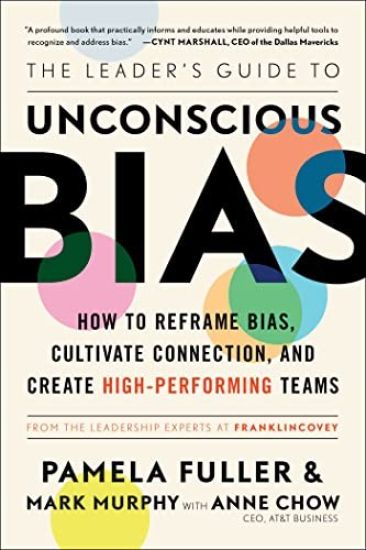
The Leader's Guide to Unconscious Bias: How to Reframe Bias, Cultivate Connection, and Create High-Performing Teams
A "profound" (Cynt Marshall, CEO of the Dallas Mavericks), timely, must-have guide to understanding and overcoming bias in the workplace from the experts at FranklinCovey. Unconscious bias affects everyone. It can look like the disappointment of an HR professional when a candidate for a new position asks about maternity leave. It can look like preferring the application of an Ivy League graduate over one from a state school. It can look like assuming a man is more entitled to speak in a meeting than his female junior colleague. Ideal for every manager who wants to understand and move past their own preconceived ideas, The Leader's Guide to Unconscious Bias is a "must-read" (Sylvia Acevedo, CEO, rocket scientist, STEM leader, and author) that explains that bias is the result of mental shortcuts, our likes and dislikes, and is a natural part of the human condition. And what we assume about each other and how we interact with one another has vast effects on our organizational success--especially in the workplace. This book teaches you how to overcome unconscious bias and provides more than thirty unique tools, such as a prep worksheet and a list of ways to reframe your unconscious thoughts. According to the experts at FranklinCovey, your workplace can achieve its highest performance rate once you start to overcome your biases and allow your employees to be whole people. By recognizing bias, emphasizing empathy and curiosity, and making true understanding a priority in the workplace, we can unlock the potential of every person we encounter.
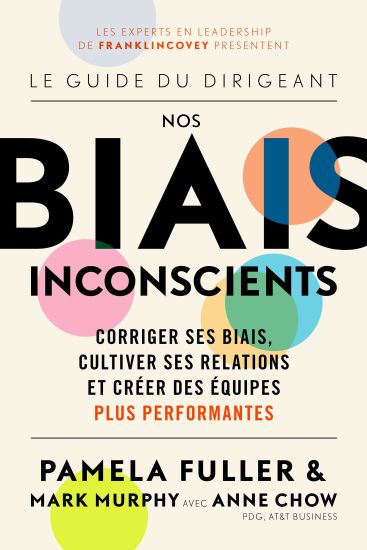
Le Guide du dirigeant: Nos biais inconscients: Corriger ses biais, cultiver ses relations et créer des équipes plus performantes
vitez les biais cognitifs et am liorez vos performances au travailLe biais cognitif est un m canisme de pens e affectant tout individu. Cela se traduit par une alt ration du jugement, affectant ainsi nos prises de d cision. Au niveau professionnel, celles-ci peuvent entra ner de graves cons quences, aussi bien sur le plan humain que strat gique. Prenez les bonnes d cisions. Avec plus de 30 techniques et outils vous permettant d'identifier les biais cognitifs et d' viter les distorsions, vous apprendrez prendre des d cisions strat giques justes et non bas es sur le jugement et l'intuition. Devenez un manager performant. Ce guide changera votre fa on de manager et vous livrera de pr cieux conseils en ressources humaines pour recruter les bonnes personnes, inspirer vos collaborateurs, et d velopper vos comp tences manag riales. Gr ce aux conseils d'experts, faciles mettre en place, devenez un leader inspirant Dans ce livre, apprenez Identifier les biais cognitifs et comprendre la neuroscienceCultiver votre curiosit et votre empathieD velopper le potentiel de vos collaborateursAugmenter la performance de vos quipes et obtenir des r sultats concretsSi vous tes la recherche d'un livre sur le management et la strat gie d'entreprise tels que Vous allez commettre une terrible erreur ou Dream Team et que vous vous int ressez la neuroscience, alors vous devez lire Le Guide du dirigeant: Nos biais inconscients.
The Leader's Guide to Unconscious Bias

The Leader's Guide to Unconscious Bias

Pamela Fuller; Mark Murphy; Anne Chow

Simon Schuster Ltd
2020
pokkari

Halvin toimitettuna 23,70 €

A timely, must-have guide to understanding and overcoming bias in the workplace, from the experts at FranklinCovey. Unconscious bias affects everyone. It can look like the disappointment of an HR professional when a candidate for a new position asks about maternity leave. It can look like preferring the application of a red brick university graduate over one from a state school. It can look like assuming a man is more entitled to speak in a meeting than his female junior colleague. Ideal for every manager who wants to understand and move past their own preconceived ideas, Unconscious Bias explains that bias is the result of mental shortcuts, our likes and dislikes, and is a natural part of the human condition. And what we assume about each other and how we interact with one another has vast effects on our organisational success - especially in the workplace. Teaching you how to overcome unconscious bias, this book provides more than thirty unique tools, such as a prep worksheet and a list of ways to reframe your unconscious thoughts. According to the experts at FranklinCovey, your workplace can achieve its highest performance rate once you start to overcome your biases and allow your employees to be whole people. By recognising bias, emphasising empathy and curiosity, and making true understanding a priority in the workplace, we can unlock the potential of every person we encounter.
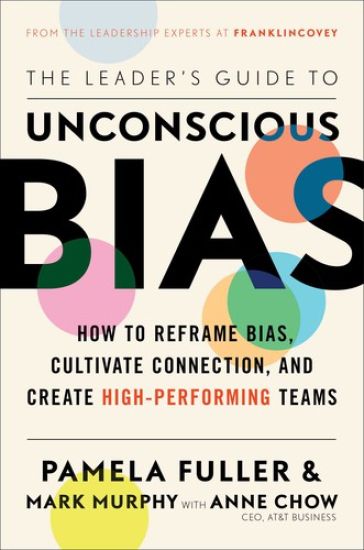
The Leader's Guide to Unconscious Bias: How to Reframe Bias, Cultivate Connection, and Create High-Performing Teams
A timely, must-have guide to understanding and overcoming bias in the workplace, from the experts at FranklinCovey. Unconscious bias affects everyone. It can look like the disappointment of an HR professional when a candidate for a new position asks about maternity leave. It can look like preferring the application of an Ivy League graduate over one from a state school. It can look like assuming a man is more entitled to speak in a meeting than his female junior colleague. Ideal for every manager who wants to understand and move past their own preconceived ideas, The Leader's Guide to Unconscious Bias explains that bias is the result of mental shortcuts, our likes and dislikes, and is a natural part of the human condition. And what we assume about each other and how we interact with one another has vast effects on our organizational success--especially in the workplace. Teaching you how to overcome unconscious bias, this book provides more than thirty unique tools, such as a prep worksheet and a list of ways to reframe your unconscious thoughts. According to the experts at FranklinCovey, your workplace can achieve its highest performance rate once you start to overcome your biases and allow your employees to be whole people. By recognizing bias, emphasizing empathy and curiosity, and making true understanding a priority in the workplace, we can unlock the potential of every person we encounter.