Kirjojen hintavertailu – 12 877 135 kirjaa ja 26 kauppaa

Kirjailija

Pamela Karimi

Kirjat ja teokset yhdessä paikassa: 6 kirjaa, julkaisuja vuosilta 2013–2024, suosituimpiin kuuluu Alternative Iran. Vertaile teosten hintoja ja tarkista saatavuus suomalaisista kirjakaupoista.

6 kirjaa

Kirjojen julkaisuvuodet: 2013–2024.

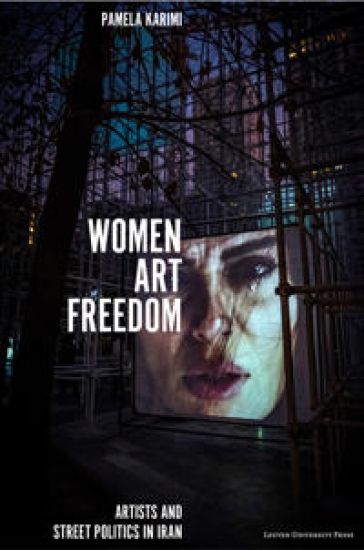
Women, Art, Freedom

Women, Art, Freedom

Pamela Karimi

Leuven University Press
2024
pokkari
Artists' vital role in shaping nonviolent resistance in IranWomen, Art, Freedom offers an insightful look at the 2022 Woman, Life, Freedom uprising in Iran, sparked by the tragic murder of Jina Mahsa Amini at the hands of the "morality police" for violating hijab rules. Beyond its feminist undertones and the remarkable courage of the young protesters, what sets this uprising apart from previous ones is the abundant and diverse art it has inspired. This book, rather than merely analyzing the artworks that garnered attention on social media platforms, brings to light lesser-known grassroots artistic movements that played a crucial role within their immediate local communities. Engaging with primarily Iran-based artists, it uncovers their role in shaping guerrilla interventions and street occupations and in articulating distinct forms of peaceful civil disobedience. By drawing on a broad spectrum of historical and theoretical sources, this book further reveals the origins and inspirations of Iran’s protest art. Focusing mainly on the interconnections between the public sphere, women’s bodies, and feminist viewpoints, Women, Art, Freedom underscores the vital role of artists in championing global justice and equality. This book will be made open access within three years of publication thanks to Path to Open, a program developed in partnership between JSTOR, the American Council of Learned Societies (ACLS), University of Michigan Press, and The University of North Carolina Press to bring about equitable access and impact for the entire scholarly community, including authors, researchers, libraries, and university presses around the world. Learn more at https://about.jstor.org/path-to-open/
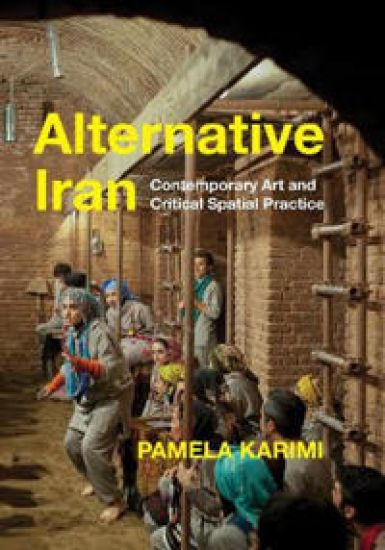
Alternative Iran

Alternative Iran

Pamela Karimi

STANFORD UNIVERSITY PRESS
2022
pokkari
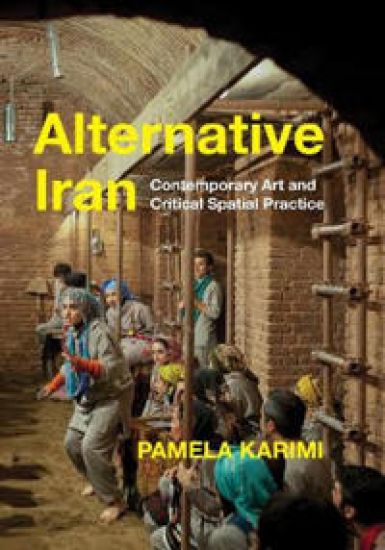
Alternative Iran offers a unique contribution to the field of contemporary art, investigating how Iranian artists engage with space and site amid the pressures of the art market and the state's regulatory regimes. Since the 1980s, political, economic, and intellectual forces have driven Iran's creative class toward increasingly original forms of artmaking not meant for official venues. Instead, these art forms appear in private homes with "trusted" audiences, derelict buildings, leftover urban zones, and remote natural sites. While many of these venues operate independently, others are fully sanctioned by the state. Drawing on interviews with over a hundred artists, gallerists, theater experts, musicians, and designers, Pamela Karimi throws into sharp relief the extraordinary art and performance activities that have received little attention outside Iran. Attending to nonconforming curatorial projects, independent guerrilla installations, escapist practices, and tacitly subversive performances, Karimi discloses the push-and-pull between the art community and the authorities, and discusses myriad instances of tentative coalition as opposed to outright partnership or uncompromising resistance. Illustrated with more than 120 full-color images, this book provides entry into unique artistic experiences without catering to voyeuristic curiosity around Iran's often-perceived "underground" culture.
Alternative Iran

Alternative Iran

Pamela Karimi

STANFORD UNIVERSITY PRESS
2022
sidottu
Alternative Iran offers a unique contribution to the field of contemporary art, investigating how Iranian artists engage with space and site amid the pressures of the art market and the state's regulatory regimes. Since the 1980s, political, economic, and intellectual forces have driven Iran's creative class toward increasingly original forms of artmaking not meant for official venues. Instead, these art forms appear in private homes with "trusted" audiences, derelict buildings, leftover urban zones, and remote natural sites. While many of these venues operate independently, others are fully sanctioned by the state. Drawing on interviews with over a hundred artists, gallerists, theater experts, musicians, and designers, Pamela Karimi throws into sharp relief the extraordinary art and performance activities that have received little attention outside Iran. Attending to nonconforming curatorial projects, independent guerrilla installations, escapist practices, and tacitly subversive performances, Karimi discloses the push-and-pull between the art community and the authorities, and discusses myriad instances of tentative coalition as opposed to outright partnership or uncompromising resistance. Illustrated with more than 120 full-color images, this book provides entry into unique artistic experiences without catering to voyeuristic curiosity around Iran's often-perceived "underground" culture.
Domesticity and Consumer Culture in Iran

Domesticity and Consumer Culture in Iran

Pamela Karimi

CRC Press Inc
2017
nidottu
Examining Iran’s recent history through the double lens of domesticity and consumer culture, Domesticity and Consumer Culture in Iran demonstrates that a significant component of the modernization process in Iran advanced beyond political and public spheres. On the cusp of Iran’s entry into modernity, the rules and tenets that had traditionally defined the Iranian home began to vanish and the influx of new household goods gradually led to the substantial physical expansion of the domestic milieu. Subsequently, architects, designers, and commercial advertisers shifted their attention from commercial and public architecture to the new home and its contents. Domesticity and consumer culture also became topics of interest among politicians, Shiite religious scholars, and the Left, who communicated their respective views via the popular media and numerous other means. In the interim, ordinary Iranian families, who were capable of selectively appropriating aspects of their immediate surroundings, demonstrated their resistance toward the officially sanctioned transformations. Through analyzing a series of case studies that elucidate such phenomena and appraising a wide range of objects and archival documents—from furnishings, appliances, architectural blueprints, and maps to photographs, films, TV series, novels, artworks, scrapbooks, work-logs, personal letters and reports—this book highlights the significance of private life in social, economic, and political contexts of modern Iran. Tackling the subject of home from a variety of perspectives, Domesticity and Consumer Culture in Iran thus shows the interplay between local aspirations, foreign influences, gender roles, consumer culture and women’s education as they intersect with taste, fashion, domestic architecture and interior design.
Nietzsche oli mies - Nietzsche was a Man

Nietzsche oli mies - Nietzsche was a Man

Pia Hovi-Assad; Pamela Karimi; Petteri Limnell; Alysse Stepanian

Porin taidemuseo
2015
nidottu
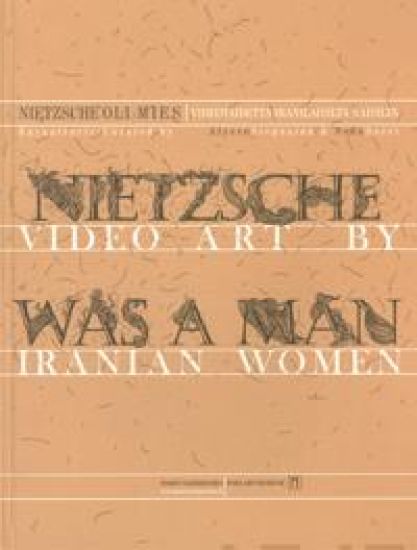
Nietzsche Was A Man -julkaisu ja näyttelyn nimi viittaa vallitsevaan dualistiseen, patriarkaaliseen maailmankuvaan, joka alistaa ja käyttää luontoa ja niitä joilla ei ole valtaa, joka erottaa toisistaan miehet ja naiset, ihmiset ja eläimet. Julkaisu esittelee samannimisen näyttelyn 20 iranilaisen taiteilijan näkökulmia kysymyksiin, joita he kohtaavat suhteiden, väärinkäsitysten ja hierarkioiden häilyvässä maailmassa. Taiteilijoiden tarkastelun kohteena ovat yleismaailmalliset kysymykset kuten sukupuolten välinen viestintä, ennakkoluulot ja muuttuvat identiteetit, väkivalta ja sota sekä ihmisten, eläinten, luonnon ja ympäristön väliset suhteet. Taiteilijaesittelyiden lisäksi julkaisu sisältää kuraattori Alysse Stepanianin johdannon näyttelyn konseptiin, Massachusettsin yliopioston taidehistorian apulaisprofessorin Pamela Karimin kontestualisoinnin Nietzschen suhteesta persialaiseen kulttuuriin sekä filosofi Petteri Limnellin johdatuksen Nietzschen maailmaan. Julkaisun esipuheen on kirjoittanut Pia Hovi-Assad.
Domesticity and Consumer Culture in Iran
Examining Iran’s recent history through the double lens of domesticity and consumer culture, Domesticity and Consumer Culture in Iran demonstrates that a significant component of the modernization process in Iran advanced beyond political and public spheres. On the cusp of Iran’s entry into modernity, the rules and tenets that had traditionally defined the Iranian home began to vanish and the influx of new household goods gradually led to the substantial physical expansion of the domestic milieu. Subsequently, architects, designers, and commercial advertisers shifted their attention from commercial and public architecture to the new home and its contents. Domesticity and consumer culture also became topics of interest among politicians, Shiite religious scholars, and the Left, who communicated their respective views via the popular media and numerous other means. In the interim, ordinary Iranian families, who were capable of selectively appropriating aspects of their immediate surroundings, demonstrated their resistance toward the officially sanctioned transformations. Through analyzing a series of case studies that elucidate such phenomena and appraising a wide range of objects and archival documents—from furnishings, appliances, architectural blueprints, and maps to photographs, films, TV series, novels, artworks, scrapbooks, work-logs, personal letters and reports—this book highlights the significance of private life in social, economic, and political contexts of modern Iran. Tackling the subject of home from a variety of perspectives, Domesticity and Consumer Culture in Iran thus shows the interplay between local aspirations, foreign influences, gender roles, consumer culture and women’s education as they intersect with taste, fashion, domestic architecture and interior design.