
Kirjailija
Pamela Philipose
Kirjat ja teokset yhdessä paikassa: 3 kirjaa, julkaisuja vuosilta 2018–2025, suosituimpiin kuuluu Framing the Media. Vertaile teosten hintoja ja tarkista saatavuus suomalaisista kirjakaupoista.
3 kirjaa
Kirjojen julkaisuvuodet: 2018–2025.
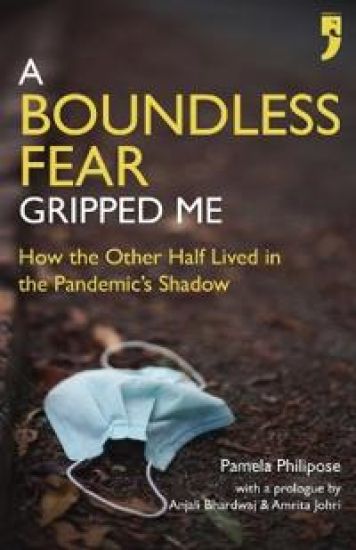
The COVID-19 pandemic has had far-reaching consequences on the lives of many across the globe; however, it was the most vulnerable sections of the population who disproportionately bore its searing impacts. This is the story of people, largely women, caught in the maelstrom of that crisis, left suddenly alone to cope with unemployment, debt, hunger, ill health, impoverishment, disability, homelessness and the death of loved ones. The lockdown that was imposed with a four-hour notice pushed the working poor into an abyss from which they could not emerge. Conversations with the residents of Delhi's shanty towns and shelter homes revealed the multi-layered nature of the challenges they faced and the terrible inadequacies and inequalities that marked institutional response. Yet, if pain, anxiety, fear and hopelessness came through in the words spoken, so too did a rare fortitude and wisdom to craft strategies of survival. This is a moment of intimate recall; a moment that India cannot afford to forget.

This is a book about the Kashmir valley-lacerated, wrathful, aflame. The authors travelled across it in the winter of 2016, during a journey undertaken in a spirit of solidarity with the people of the region. It is a disturbing account of children blinded by pellet guns, of a government in a bitter state of undeclared war with its own civilian populations, of the rage of stone-throwing youth and the hubris of military generals. The book also attempts a concise history of the conflict in the valley and makes a strong plea for humanity, for fairness, and for justice. The authors argue, there should be no denying a just peace to the embattled people of the valley. The concluding words of the book sum it up precisely: 'We are told that a nation cannot be strong if it is ethical or compassionate; that these are despicable signs of weakness; that a strong state is a state that is without morality or mercy. Who will tell them how wrong they are? That it is only the weak who fell those who are weaker, whose hearts are empty of mercy, who celebrate the weeping of children. The truly strong are those who have the courage to be kind and just.'