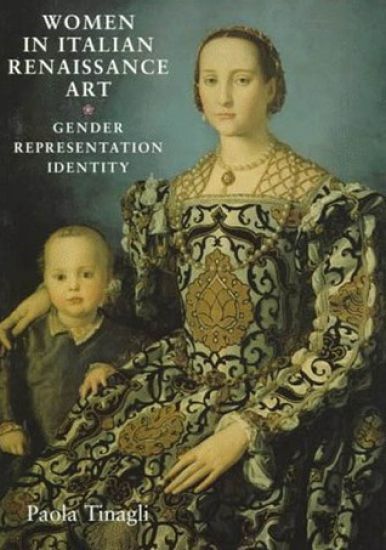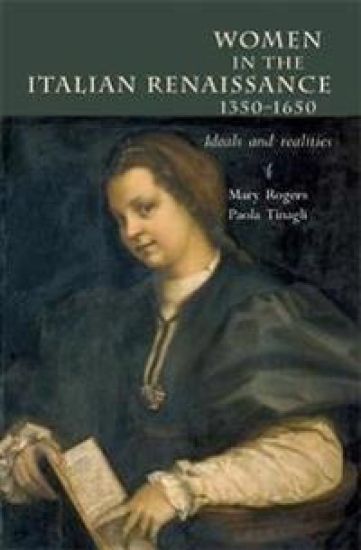
This enlightening book aims to fill the gap in the literature on women's lives from the mid-fourteenth to the mid-seventeenth century, a time in which Italian urban societies saw much debate on the nature of women and on their roles, education and behaviour. Indeed these were debates which would in subsequent years resonate throughout Europe as a whole. Using a broad range of contemporary source material, most of which has never been translated before, this book illuminates the ideals and realities informing the lives of women within the context of civic and courtly culture. The text is divided into three sections: contemporary views on the nature of women, and ethical and aesthetic ideals seen as suitable to them; life cycles from birth to death, punctuated by the rites of passage of betrothal, marriage and widowhood; women's roles in the convent, the court, the workplace, and in cultural life. Through their exploration of these themes, Rogers and Tinagli demonstrate that there was no single 'Renaissance woman'. The realities of women¹s experiences were rich and various, and their voices speak of diverse possibilities for emotionally rich and socially useful lives. This will be essential reading for students and teachers of society and culture during the Italian Renaissance, as well as gender historians working on early modern Europe.