Kirjojen hintavertailu – 12 859 827 kirjaa ja 27 kauppaa

Kirjailija

Patricia A. Turner

Kirjat ja teokset yhdessä paikassa: 5 kirjaa, julkaisuja vuosilta 2002–2024, suosituimpiin kuuluu Proverb Masters. Vertaile teosten hintoja ja tarkista saatavuus suomalaisista kirjakaupoista.

5 kirjaa

Kirjojen julkaisuvuodet: 2002–2024.

Proverb Masters

Proverb Masters

Raymond Summerville; Patricia A. Turner

UNIVERSITY PRESS OF MISSISSIPPI
2024
pokkari
In Proverb Masters: Shaping the Civil Rights Movement, author Raymond Summerville explores how proverbs and proverbial language played a significant role in the long civil rights era. Proverbs have been used throughout history to share and disseminate brief, powerful statements of truth and philosophical insight. Oftentimes, these sayings have helped unite people in struggles for social justice, serving as rallying cries for just causes. During the civil rights era, proverbs allowed leaders to craft powerful and evocative messages. These statements often needed to be made implicitly, as explicit messages were often met with retaliation and even violence. Looking at the autobiographies, biographies, speeches, diaries, letters, and critical texts of Charles W. Chesnutt, Ida B. Wells, A. Philip Randolph, Bob Dylan, Malcom X, Stokely Carmichael, and Septima Clark, the volume analyzes how these figures employed proverbs in support of social justice causes and in civil rights struggles. Summerville argues that these individuals generated enough print material embedded with proverbs and proverbial language that they should be considered proverb masters. With chapters dedicated to each figure, Summerville reveals their adept uses of this powerful linguistic tool.
Trash Talk

Trash Talk

Patricia A. Turner

University of California Press
2022
sidottu
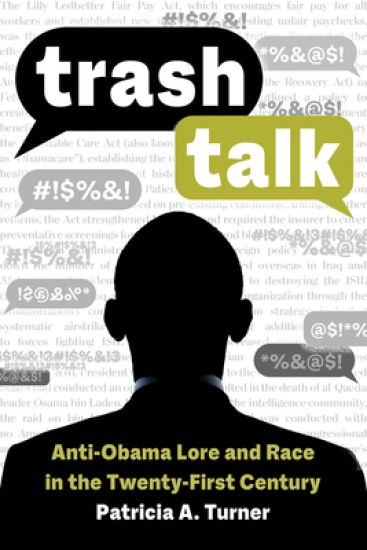
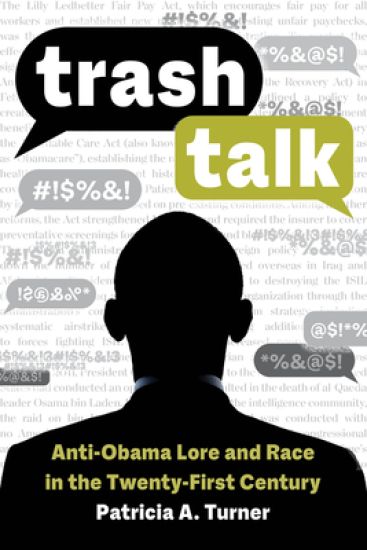
What racist rumors about Barack Obama tell us about the intractability of racism in American politics. Barack Obama and his family have been the objects of rumors, legends, and conspiracy theories unprecedented in US politics. Outbreaks of anti-Obama lore have occurred in every national election cycle since 2004 and continue to the present day—two elections after his presidency ended. In Trash Talk, folklorist Patricia A. Turner examines how these thought patterns have grown ever more vitriolic and persistent and what this means for American political culture. Through the lens of attacks on Obama, Trash Talk explores how racist tropes circulate and gain currency. As internet communications expand in reach, rumors and conspiracy theories have become powerful political tools, and new types of lore like the hoax and fake news have taken root. The mainstream press and political establishment dismissed anti-Obama mythology for years, registering concern only when it became difficult to deny how much power those who circulated it could command. Trash Talk demonstrates that the ascendancy of Barack Obama was never a signal of a postracial America.
Trash Talk

Trash Talk

Patricia A. Turner

University of California Press
2022
pokkari
What racist rumors about Barack Obama tell us about the intractability of racism in American politics. Barack Obama and his family have been the objects of rumors, legends, and conspiracy theories unprecedented in US politics. Outbreaks of anti-Obama lore have occurred in every national election cycle since 2004 and continue to the present day—two elections after his presidency ended. In Trash Talk, folklorist Patricia A. Turner examines how these thought patterns have grown ever more vitriolic and persistent and what this means for American political culture. Through the lens of attacks on Obama, Trash Talk explores how racist tropes circulate and gain currency. As internet communications expand in reach, rumors and conspiracy theories have become powerful political tools, and new types of lore like the hoax and fake news have taken root. The mainstream press and political establishment dismissed anti-Obama mythology for years, registering concern only when it became difficult to deny how much power those who circulated it could command. Trash Talk demonstrates that the ascendancy of Barack Obama was never a signal of a postracial America.
Whispers on the Color Line

Whispers on the Color Line

Gary Alan Fine; Patricia A. Turner

University of California Press
2004
pokkari
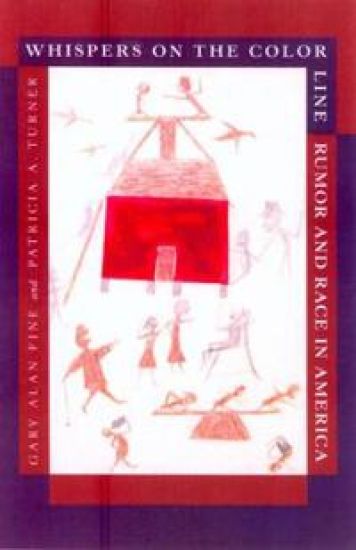
Legends are arguably the most common narrative form of folklore in American society. From sex acts to business transactions, from fashion to food, from heroes to heroin, rumors and legends take on every charged topic. Children circulate texts about toys and candy; teenagers share stories about sex, drugs, and rock and roll; young professionals commiserate over the hazards of the work world. These stories address aspects of life about which we receive mixed or ambiguous messages. Given that matters relevant to race remain confused and divisive in many corridors of American society, it is not surprising that rumors and legends that reflect racial misunderstanding and mistrust frequently circulate. "Whispers on the Color Line" focuses on a wide array of tales told in black and white communities across America. Topics run the gamut from alleged governmental conspiracies, possible food tampering, gang violence, and the sex lives of celebrities. Such beliefs travel by word of mouth, in print, and increasingly over the Internet. In many instances these stories reflect the tenacious level of racial misunderstanding that continues to vex efforts to foster racial harmony, creating separate racialized pools of knowledge. The authors have spent over twenty years collecting and analyzing rumors and contemporary legends - from the ever-durable Kentucky Fried Rat cycle to persistent beliefs about athletic footwear manufacturers and their support for white supremacist regimes. These implausible stories serve many purposes: they assuage anxieties, entertain friends, increase our sense of control - all without directly proclaiming our own attitudes. Fine and Turner consider how these tales reflect attitudes that blacks and whites have both about each other and about the world they face. In an engaging and penetrating narrative, they brilliantly demonstrate how - by transforming unacceptable impulses into a narrative that is claimed to have actually happened - we are able to express the inexpressible.
Ceramic Uncles and Celluloid Mammies

Ceramic Uncles and Celluloid Mammies

Patricia A. Turner

University of Virginia Press
2002
nidottu
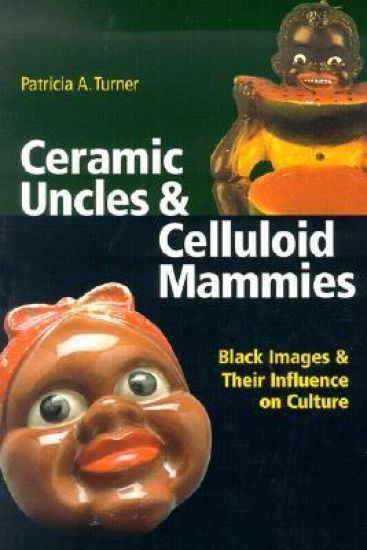
Exploring white American popular culture of the past century and a half, Turner details subtle and not-so-subtle negative tropes and images of black people, from Uncle Tom and Aunt Jemima to jokes about Michael Jackson and Jesse Jackson. She feels that far too little has changed in terms of white stereotyping and its negative effects.