Kirjojen hintavertailu – 12 903 735 kirjaa ja 27 kauppaa

Kirjailija

Patricia Tyson Stroud

Kirjat ja teokset yhdessä paikassa: 4 kirjaa, julkaisuja vuosilta 2005–2022, suosituimpiin kuuluu A Glorious Enterprise. Vertaile teosten hintoja ja tarkista saatavuus suomalaisista kirjakaupoista.

4 kirjaa

Kirjojen julkaisuvuodet: 2005–2022.

The Man Who Had Been King

The Man Who Had Been King

Patricia Tyson Stroud

UNIVERSITY OF PENNSYLVANIA PRESS
2022
pokkari
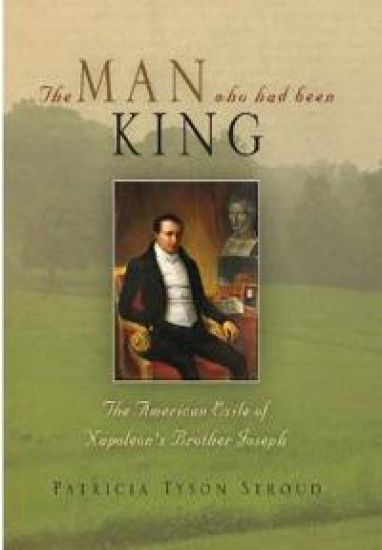
Joseph Bonaparte, King of Naples and Spain, claimed that he had never wanted the overpowering roles thrust upon him by his illustrious younger brother Napoleon. Left to his own devices, he would probably have been a lawyer in his native Corsica, a country gentleman with leisure to read the great literature he treasured and oversee the maintenance of his property. When Napoleon's downfall forced Joseph into exile, he was able to become that country gentleman at last, but in a place he could scarcely have imagined. It comes as a surprise to most people that Joseph spent seventeen years in the United States following Napoleon's defeat at Waterloo. In The Man Who Had Been King, Patricia Tyson Stroud has written a rich account-drawing on unpublished Bonaparte family letters-of this American exile, much of it passed in regal splendor high above the banks of the Delaware River in New Jersey. Upon his escape from France in 1815, Joseph arrived in the new land with a fortune in hand and shortly embarked upon building and fitting out the magnificent New Jersey estate he called Point Breeze. The palatial house was filled with paintings and sculpture by such luminaries as David, Canova, Rubens, and Titian. The surrounding park extended to 1,800 acres of luxuriously landscaped gardens, with twelve miles of carriage roads, an artificial lake, and a network of subterranean tunnels that aroused much local speculation. Stroud recounts how Joseph became friend and host to many of the nation's wealthiest and most cultivated citizens, and how his art collection played a crucial role in transmitting high European taste to America. He never ceased longing for his homeland, however. Despite his republican airs, he never stopped styling himself as "the Count de Survilliers," a noble title he fabricated on his first flight from France in 1814, when Napoleon was exiled to Elba, nor did he ever learn more than rudimentary English. Although he would repeatedly plead with his wife to join him, he was not a faithful husband, and Stroud narrates his affairs with an American and a Frenchwoman, both of whom bore him children. Yet he continued to feel the separation from his two legitimate daughters keenly and never stopped plotting to ensure the dynastic survival of the Bonapartes. In the end, the man who had been king returned to Europe, where he was eventually interred next to the tomb of his brother in Les Invalides. But the legacy of Joseph Bonaparte in America remains, and it is this that Patricia Tyson Stroud has masterfully uncovered in a book that is sure to appeal to lovers of art and gardens and European and American history.
Bitterroot

Bitterroot

Patricia Tyson Stroud

University of Pennsylvania Press
2018
sidottu
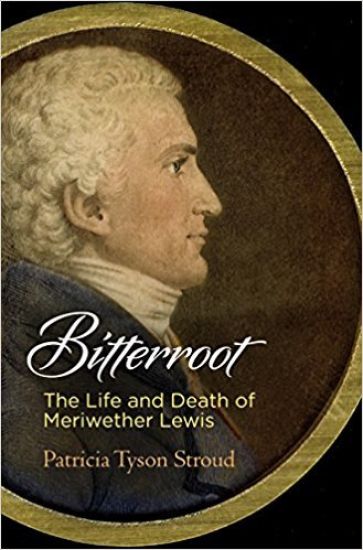
In America's early national period, Meriwether Lewis was a towering figure. Selected by Thomas Jefferson to lead the expedition to explore the Louisiana Purchase, he was later rewarded by Jefferson with the governorship of the entire Louisiana Territory. Yet within three years, plagued by controversy over administrative expenses, Lewis found his reputation and career in tatters. En route to Washington to clear his name, he died mysteriously in a crude cabin on the Natchez Trace in Tennessee. Was he a suicide, felled by his own alcoholism and mental instability? Most historians have agreed. Patricia Tyson Stroud reads the evidence to posit another, even darker, ending for Lewis. Stroud uses Lewis's find, the bitterroot flower, with its nauseously pungent root, as a symbol for his reputation as a purported suicide. It was this reputation that Thomas Jefferson promulgated in the memoir he wrote prefacing the short account of Lewis's historic expedition published five years after his death. Without investigation of any kind, Jefferson, Lewis's mentor from boyhood, reiterated undocumented assertions of Lewis's serious depression and alcoholism. That Lewis was the courageous leader of the first expedition to explore the continent from the Mississippi River to the Pacific Ocean has been overshadowed by presuppositions about the nature of his death. Stroud peels away the layers of misinformation and gossip that have obscured Lewis's rightful reputation. Through a retelling of his life, from his resourceful youth to the brilliance of his leadership and accomplishments as a man, Bitterroot shows that Jefferson's mystifying assertion about the death of his protégé is the long-held bitter root of the Meriwether Lewis story.
A Glorious Enterprise

A Glorious Enterprise

Robert McCracken Peck; Patricia Tyson Stroud

University of Pennsylvania Press
2012
sidottu
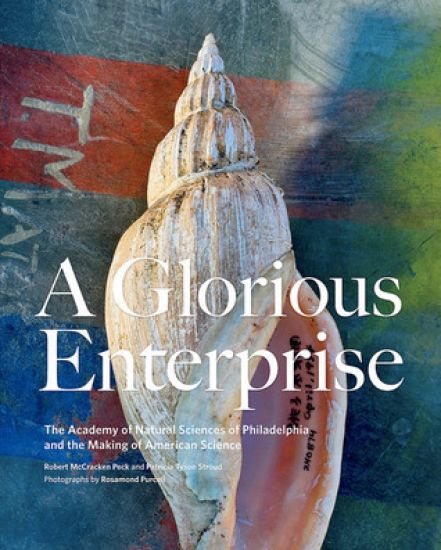
Founded in 1812, the Academy of Natural Sciences of Philadelphia stands today as the oldest natural history museum in the Western hemisphere. Early expeditions organized at the Academy were of central importance to the exploration of America's western wilderness, and the plant and animal specimens that were brought back formed the foundation of a collection that today contains some eighteen million items. What began as a small gathering of devoted amateurs has grown into a vibrant international center for scientific education and research. A Glorious Enterprise, the first complete history of the Academy, tells the story of the brilliant and passionate men and women who endeavored to acquire and disseminate knowledge of the natural world. Thomas Jefferson, John James Audubon, Robert Peary, Ernest Hemingway, and James Bond are just a few of the colorful Academy associates profiled in this lively narrative. Naturalist and historian Robert McCracken Peck and historical biographer Patricia Tyson Stroud take readers behind the scenes of the Academy, recounting the signal moments and achievements that shaped its first two hundred years—from its landmark discoveries in North America and around the world, through the construction of its famed dioramas in the 1930s, to the pioneering work of Academy scientists in water pollution and conservation long before these were topics of popular concern. The book is richly illustrated throughout with hundreds of archival images and stunningly original works by acclaimed photographer Rosamond Purcell that cast specimens from the Academy's collections in a new light. Like Academy members on a quest for wondrous specimens, lovers of the sciences, American history, museums, and libraries will want to add A Glorious Enterprise to their collections. Filled with lively anecdotes, captivating biographical details, and fascinating facts, this beautiful and enlightening history will be treasured for years to come.
The Man Who Had Been King

The Man Who Had Been King

Patricia Tyson Stroud

University of Pennsylvania Press
2005
sidottu
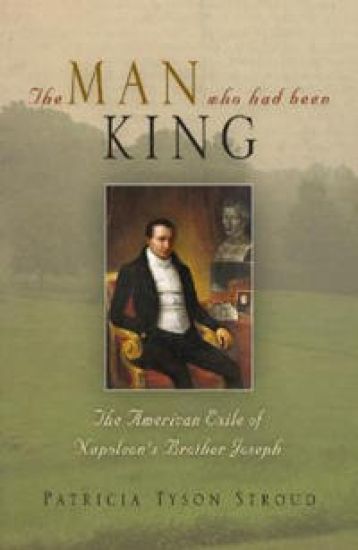
Joseph Bonaparte, King of Naples and Spain, claimed that he had never wanted the overpowering roles thrust upon him by his illustrious younger brother Napoleon. Left to his own devices, he would probably have been a lawyer in his native Corsica, a country gentleman with leisure to read the great literature he treasured and oversee the maintenance of his property. When Napoleon's downfall forced Joseph into exile, he was able to become that country gentleman at last, but in a place he could scarcely have imagined. It comes as a surprise to most people that Joseph spent seventeen years in the United States following Napoleon's defeat at Waterloo. In The Man Who Had Been King, Patricia Tyson Stroud has written a rich account-drawing on unpublished Bonaparte family letters-of this American exile, much of it passed in regal splendor high above the banks of the Delaware River in New Jersey. Upon his escape from France in 1815, Joseph arrived in the new land with a fortune in hand and shortly embarked upon building and fitting out the magnificent New Jersey estate he called Point Breeze. The palatial house was filled with paintings and sculpture by such luminaries as David, Canova, Rubens, and Titian. The surrounding park extended to 1,800 acres of luxuriously landscaped gardens, with twelve miles of carriage roads, an artificial lake, and a network of subterranean tunnels that aroused much local speculation. Stroud recounts how Joseph became friend and host to many of the nation's wealthiest and most cultivated citizens, and how his art collection played a crucial role in transmitting high European taste to America. He never ceased longing for his homeland, however. Despite his republican airs, he never stopped styling himself as "the Count de Survilliers," a noble title he fabricated on his first flight from France in 1814, when Napoleon was exiled to Elba, nor did he ever learn more than rudimentary English. Although he would repeatedly plead with his wife to join him, he was not a faithful husband, and Stroud narrates his affairs with an American and a Frenchwoman, both of whom bore him children. Yet he continued to feel the separation from his two legitimate daughters keenly and never stopped plotting to ensure the dynastic survival of the Bonapartes. In the end, the man who had been king returned to Europe, where he was eventually interred next to the tomb of his brother in Les Invalides. But the legacy of Joseph Bonaparte in America remains, and it is this that Patricia Tyson Stroud has masterfully uncovered in a book that is sure to appeal to lovers of art and gardens and European and American history.