Kirjailija
Patrick J. Murphy
Kirjat ja teokset yhdessä paikassa: 12 kirjaa, julkaisuja vuosilta 2009–2021, suosituimpiin kuuluu Mutiny and Its Bounty. Vertaile teosten hintoja ja tarkista saatavuus suomalaisista kirjakaupoista.
Nimi esiintyy myös muodoissa: Patrick J Murphy
12 kirjaa
Kirjojen julkaisuvuodet: 2009–2021.
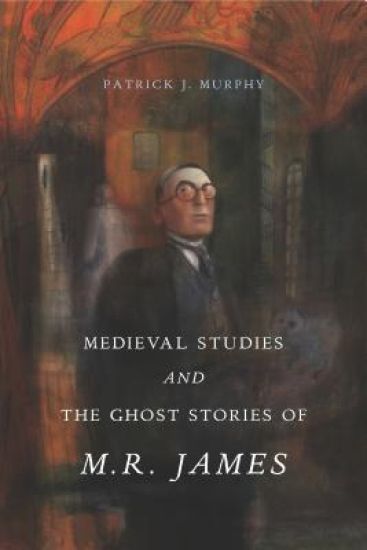
Medieval Studies and the Ghost Stories of M. R. James
Patrick J. Murphy
Pennsylvania State University Press
2018
pokkari
Montague Rhodes James authored some of the most highly regarded ghost stories of all time—classics such as “Oh, Whistle, and I’ll Come to You, My Lad” that have been adapted many times over for radio and television and have never gone out of print. But while James is best known as a fiction writer and storyteller, he was also a provost of King’s College, Cambridge, and Eton College, and a legendary and influential scholar whose pioneering work in the study of biblical texts and medieval manuscripts, art, and architecture is still relevant today. In Medieval Studies and the Ghost Stories of M. R. James, Patrick J. Murphy argues that these twin careers are inextricably linked. James’s research not only informed his fiction but also reflected his anxieties about the nature of academic life and explored the delicate divide between professional, university men and erratic hobbyists or antiquaries. Murphy shows how detailed attention to the scholarly inspirations behind James’s fiction provides considerable insight into a formative moment in medieval studies, as well as into James’s methods as a master stylist of understated horror. During his life, James often claimed that his stories were mere entertainments—pleasing distractions from a life largely defined by academic discipline and restraint—and readers over the years have been content to take him at his word. This intriguing volume, however, convincingly proves otherwise.
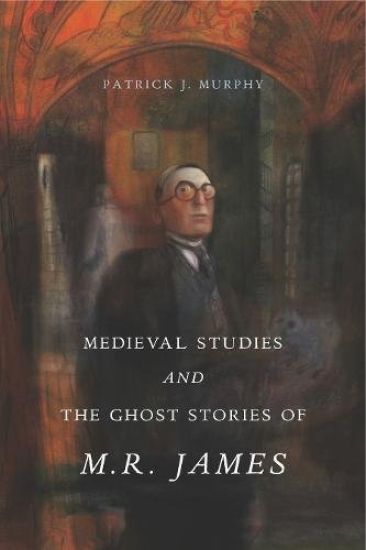
Medieval Studies and the Ghost Stories of M. R. James
Patrick J. Murphy
Pennsylvania State University Press
2017
sidottu
Montague Rhodes James authored some of the most highly regarded ghost stories of all time—classics such as “Oh, Whistle, and I’ll Come to You, My Lad” that have been adapted many times over for radio and television and have never gone out of print. But while James is best known as a fiction writer and storyteller, he was also a provost of King’s College, Cambridge, and Eton College, and a legendary and influential scholar whose pioneering work in the study of biblical texts and medieval manuscripts, art, and architecture is still relevant today. In Medieval Studies and the Ghost Stories of M. R. James, Patrick J. Murphy argues that these twin careers are inextricably linked. James’s research not only informed his fiction but also reflected his anxieties about the nature of academic life and explored the delicate divide between professional, university men and erratic hobbyists or antiquaries. Murphy shows how detailed attention to the scholarly inspirations behind James’s fiction provides considerable insight into a formative moment in medieval studies, as well as into James’s methods as a master stylist of understated horror. During his life, James often claimed that his stories were mere entertainments—pleasing distractions from a life largely defined by academic discipline and restraint—and readers over the years have been content to take him at his word. This intriguing volume, however, convincingly proves otherwise.
Hooligans Abroad (RLE Sports Studies)
John M. Williams; Eric Dunning; Patrick J. Murphy
Routledge
2015
nidottu
This book traces international developments in the hooligan phenomenon since the Heysel tragedy of 1985. The authors make special reference to the troubled European championships in West Germany in 1988 and look critically at political responses to the problem. The authors used ‘participant observation’ in their research on British fans at the World Cup in Spain, and at matches in Rotterdam and Copenhagen, and capture the authentic voice of football hooliganism in their interviews. In this analysis of patterns of football violence the authors suggest some short-term proposals for restricting seriously violent and disorderly behaviour at continental matches and put forward a long-term strategy to deal with the root causes of hooligan behaviour.
The Roots of Football Hooliganism (RLE Sports Studies)
Eric Dunning; Patrick J. Murphy; John Williams
Routledge
2015
nidottu
This systematic historical and sociological study of the phenomenon of football hooliganism examines the history of crowd disorderliness at association football matches in Britain and assesses both popular and academic explanations of the problem. The authors’ study starts in the 1880s, when professional football first emerged in its modern form, charting the pre and inter-war periods and revealing that England’s World Cup triumph formed a watershed. The changing social composition of football crowds and the changing class structure of British society is discussed and the genesis of modern football hooliganism is explained by tracing it to the cultural conditions and circumstances which reproduce in young working-class males an interest in a publicly expressed aggressive masculine style.
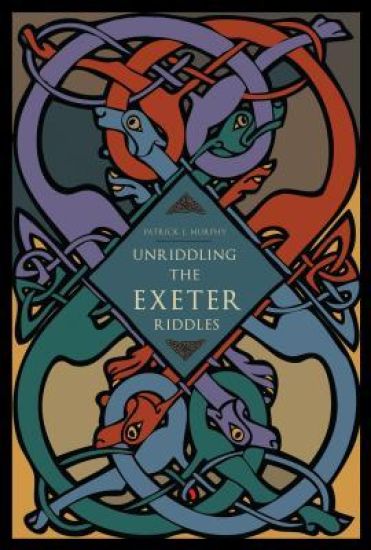
The vibrant and enigmatic Exeter Riddles (ca. 960–980) are among the most compelling texts in the field of medieval studies, in part because they lack textually supplied solutions. Indeed, these ninety-five Old English riddles have become so popular that they have even been featured on posters for the London Underground and have inspired a sculpture in downtown Exeter. Modern scholars have responded enthusiastically to the challenge of solving the Riddles, but have generally examined them individually. Few have considered the collection as a whole or in a broader context. In this book, Patrick Murphy takes an innovative approach, arguing that in order to understand the Riddles more fully, we must step back from the individual puzzles and consider the group in light of the textual and oral traditions from which they emerged. He offers fresh insights into the nature of the Exeter Riddles’ complexity, their intellectual foundations, and their lively use of metaphor.
Hooligans Abroad (RLE Sports Studies)
John M. Williams; Eric Dunning; Patrick J. Murphy
Routledge
2014
sidottu
This book traces international developments in the hooligan phenomenon since the Heysel tragedy of 1985. The authors make special reference to the troubled European championships in West Germany in 1988 and look critically at political responses to the problem. The authors used ‘participant observation’ in their research on British fans at the World Cup in Spain, and at matches in Rotterdam and Copenhagen, and capture the authentic voice of football hooliganism in their interviews. In this analysis of patterns of football violence the authors suggest some short-term proposals for restricting seriously violent and disorderly behaviour at continental matches and put forward a long-term strategy to deal with the root causes of hooligan behaviour.
The Roots of Football Hooliganism (RLE Sports Studies)
Eric Dunning; Patrick J. Murphy; John Williams
Routledge
2014
sidottu
This systematic historical and sociological study of the phenomenon of football hooliganism examines the history of crowd disorderliness at association football matches in Britain and assesses both popular and academic explanations of the problem. The authors’ study starts in the 1880s, when professional football first emerged in its modern form, charting the pre and inter-war periods and revealing that England’s World Cup triumph formed a watershed. The changing social composition of football crowds and the changing class structure of British society is discussed and the genesis of modern football hooliganism is explained by tracing it to the cultural conditions and circumstances which reproduce in young working-class males an interest in a publicly expressed aggressive masculine style.
Mutinies in today’s organizations are less violent than the shipboard rebellions of Columbus’s day, but the challenges leaders face are very much the same Violent mutiny was common in seafaring enterprises during the Age of Discovery—so common, in fact, that dealing with mutineers was an essential skill for captains and other leaders of the time. Mutinies in today’s organizations are much quieter, more social and intellectual, and far less violent, yet the coordinated defiance of authority springs from dissatisfactions very similar to those of long-ago shipboard crews. This highly original book mines seafaring logs and other archives of fifteenth- and sixteenth-century ship captains and discovers instructive lessons for today’s leaders facing challenges to their authority as well as for other members of organizations in which mutinous events occur. The book begins by examining mutinies against great explorer captains of the Age of Discovery: Christopher Columbus, Ferdinand Magellan, Sebastian Cabot, and Henry Hudson. The authors then identify lessons that entrepreneurs, leaders, and other members may apply to organizational insurrections today. They find, surprisingly, that mutiny may be a force for good in an organization, paving the way to more collaborative leadership and stronger commitment to shared goals and values.
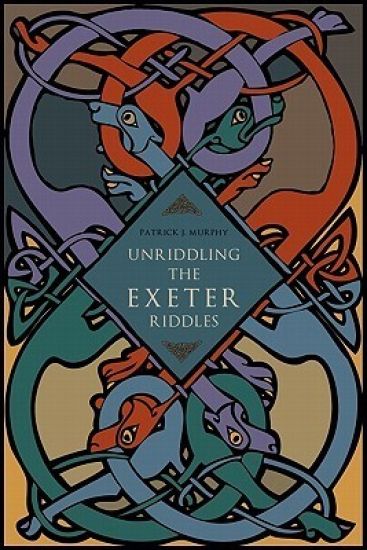
The vibrant and enigmatic Exeter Riddles (ca. 960–980) are among the most compelling texts in the field of medieval studies, in part because they lack textually supplied solutions. Indeed, these ninety-five Old English riddles have become so popular that they have even been featured on posters for the London Underground and have inspired a sculpture in downtown Exeter. Modern scholars have responded enthusiastically to the challenge of solving the Riddles, but have generally examined them individually. Few have considered the collection as a whole or in a broader context. In this book, Patrick Murphy takes an innovative approach, arguing that in order to understand the Riddles more fully, we must step back from the individual puzzles and consider the group in light of the textual and oral traditions from which they emerged. He offers fresh insights into the nature of the Exeter Riddles’ complexity, their intellectual foundations, and their lively use of metaphor.