

Kirjailija
Patrick W. Galbraith
Kirjat ja teokset yhdessä paikassa: 7 kirjaa, julkaisuja vuosilta 2014–2021, suosituimpiin kuuluu Otaku and the Struggle for Imagination in Japan. Vertaile teosten hintoja ja tarkista saatavuus suomalaisista kirjakaupoista.
Nimi esiintyy myös muodoissa: Patrick W Galbraith
7 kirjaa
Kirjojen julkaisuvuodet: 2014–2021.
Otaku and the Struggle for Imagination in Japan
Patrick W. Galbraith
Duke University Press
2019
pokkari
Halvin toimitettuna 32,20 €
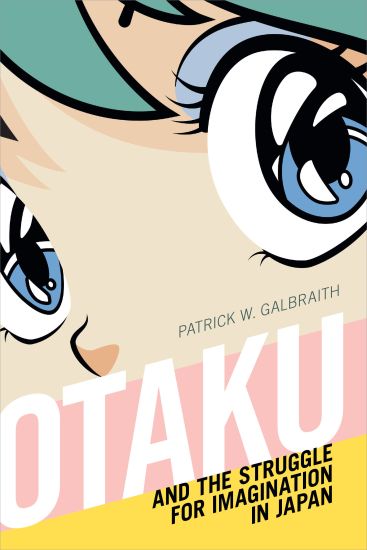
From computer games to figurines and maid cafes, men called “otaku” develop intense fan relationships with “cute girl” characters from manga, anime, and related media and material in contemporary Japan. While much of the Japanese public considers the forms of character love associated with “otaku” to be weird and perverse, the Japanese government has endeavored to incorporate “otaku” culture into its branding of “Cool Japan.” In Otaku and the Struggle for Imagination in Japan, Patrick W. Galbraith explores the conflicting meanings of “otaku” culture and its significance to Japanese popular culture, masculinity, and the nation. Tracing the history of “otaku” and “cute girl” characters from their origins in the 1970s to his recent fieldwork in Akihabara, Tokyo (“the Holy Land of Otaku”), Galbraith contends that the discourse surrounding “otaku” reveals tensions around contested notions of gender, sexuality, and ways of imagining the nation that extend far beyond Japan. At the same time, in their relationships with characters and one another, “otaku” are imagining and creating alternative social worlds.
Otaku and the Struggle for Imagination in Japan
Patrick W. Galbraith
Duke University Press
2019
sidottu
From computer games to figurines and maid cafes, men called “otaku” develop intense fan relationships with “cute girl” characters from manga, anime, and related media and material in contemporary Japan. While much of the Japanese public considers the forms of character love associated with “otaku” to be weird and perverse, the Japanese government has endeavored to incorporate “otaku” culture into its branding of “Cool Japan.” In Otaku and the Struggle for Imagination in Japan, Patrick W. Galbraith explores the conflicting meanings of “otaku” culture and its significance to Japanese popular culture, masculinity, and the nation. Tracing the history of “otaku” and “cute girl” characters from their origins in the 1970s to his recent fieldwork in Akihabara, Tokyo (“the Holy Land of Otaku”), Galbraith contends that the discourse surrounding “otaku” reveals tensions around contested notions of gender, sexuality, and ways of imagining the nation that extend far beyond Japan. At the same time, in their relationships with characters and one another, “otaku” are imagining and creating alternative social worlds.
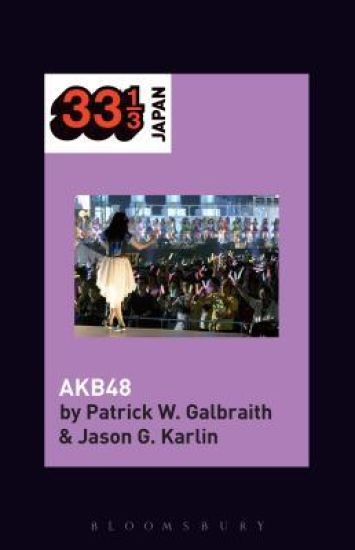
Since its formation as a girl group in 2005, AKB48 has become a phenomenal success and institution in Japan. Having originally recruited fans with photocopied fliers and daily performances in the Akihabara area of Tokyo, AKB48 now saturates Japan. Its members--nearly 800 of them, including five sister groups and four so-called "rival groups" across Japan, as well as six sister groups in other Asian cities--appear in print, broadcast, online, and social media; in advertisements and on products; at home and on the train; on- and off-screen. AKB48's multi-platform omnipresence is characteristic of "idols," whose intimate relationship to fans and appeals to them for support have made the group dominant on the Oricon Yearly Singles Chart in the 2010s; they hold several records, including most consecutive million-selling singles sold in Japan. A unique business model relentlessly monetizes fans' affections through meet-and-greet events and elections, which maximize CD sales, and their saturated presence in the media. At a time when affect is more important than ever in economic, political, and social theory, this book explores the intersection of idols and affect in contemporary Japan and beyond.
Since its formation as a girl group in 2005, AKB48 has become a phenomenal success and institution in Japan. Having originally recruited fans with photocopied fliers and daily performances in the Akihabara area of Tokyo, AKB48 now saturates Japan. Its members--nearly 800 of them, including five sister groups and four so-called "rival groups" across Japan, as well as six sister groups in other Asian cities--appear in print, broadcast, online, and social media; in advertisements and on products; at home and on the train; on- and off-screen. AKB48's multi-platform omnipresence is characteristic of "idols," whose intimate relationship to fans and appeals to them for support have made the group dominant on the Oricon Yearly Singles Chart in the 2010s; they hold several records, including most consecutive million-selling singles sold in Japan. A unique business model relentlessly monetizes fans' affections through meet-and-greet events and elections, which maximize CD sales, and their saturated presence in the media. At a time when affect is more important than ever in economic, political, and social theory, this book explores the intersection of idols and affect in contemporary Japan and beyond.
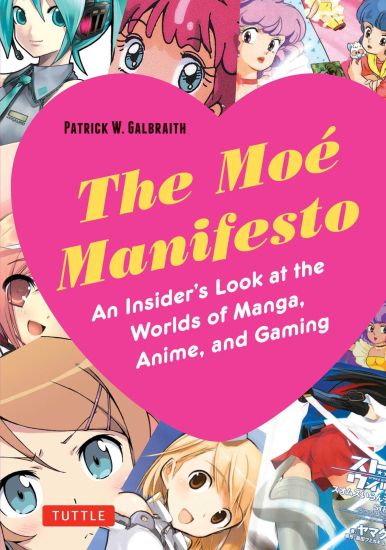
Moe is a huge cultural phenomenon and one of the driving forces behind the enormous success of Japanese anime and manga--not just in Japan but now throughout the world. In Japan, avid fans of manga comics, anime films and video games use the term Moe to refer to the strong sense of emotional attachment they feel for their favorite characters. These fans have a powerful desire to protect and nurture the youthful, beautiful and innocent characters they adore--like Sagisawa Moe in Dinosaur Planet and Tomoe Hotaru in Sailor Moon. They create their own websites, characters, stories, discussion groups, toys and games based on the original manga and anime roles. Author Patrick Galbraith is the world's acknowledged expert on Moe and a journalist based in Tokyo. For this book, he interviewed twenty important figures in the world of Japanese manga and anime to gain their insights on the Moe phenomenon. These interviews provide us with the first in-depth survey of this subject. Galbraith uncovers how Moe is influencing an entire generation of manga artists and readers. For those new to anime, manga, and youth culture in Japan, he discusses what constitutes the ideal Moe relationship and why some fans are even determined to marry their fictional sweethearts. He reveals key moments in the development of Moe, and current and future trends in the spread of Moe works and characters from Japan to other parts of the world. The Moe Manifesto provides an insider's look at the earliest Moe characters such as Ayame by Tezuka Osamu. The book has over 100 illustrations of the most famous Moe characters, many in color, and it is sure to delight manga and anime fans of every age.
Otaku: Nerd; geek or fanboy. Originates from a polite second-person pronoun meaning "your home" in Japanese. Since the 1980s it’s been used to refer to people who are really into Japanese pop-culture, such as anime, manga, and videogames. A whole generation, previously marginalized with labels such as "geek" and "nerd," are now calling themselves "otaku" with pride. The Otaku Encyclopedia offers fascinating insight into the subculture of Cool Japan. With over 600 entries, including common expressions, people, places, and moments of otaku history, this is the essential "A to Z" of facts every Japanese pop-culture fan needs to know. Author Patrick W. Galbraith has spent several years researching deep into the otaku heartland and his intimate knowledge of the subject gives the reader an insider’s guide to words such as moé, doujinshi, cospla y and maid cafés. In-depth interviews with such key players as Takashi Murakami, otaku expert Okada Toshio, and J-pop idol Shoko Nakagawa are interspersed with the entries, offering an even more penetrating look into the often misunderstood world of otaku. Dozens of lively, colorful images—from portraits of the interview subjects to manga illustrations, film stills and photos of places mentioned in the text—pop up throughout the book, making The Otaku Encyclopedia as entertaining to read as it is informative.