Kirjojen hintavertailu – 12 903 733 kirjaa ja 27 kauppaa

Kirjailija

Patrik Svensson

Kirjat ja teokset yhdessä paikassa: 28 kirjaa, julkaisuja vuosilta 2016–2026, suosituimpiin kuuluu Ankeriaan testamentti. Vertaile teosten hintoja ja tarkista saatavuus suomalaisista kirjakaupoista.

28 kirjaa

Kirjojen julkaisuvuodet: 2016–2026.

The Book of Eels: Our Enduring Fascination with the Most Mysterious Creature in the Natural World
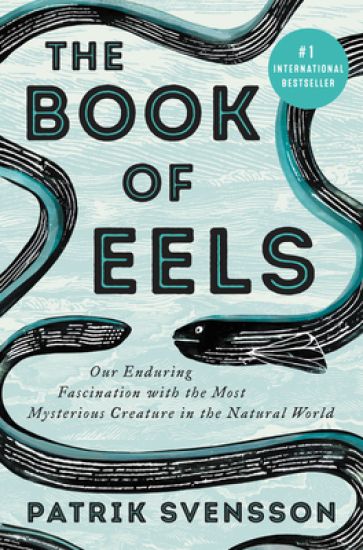
Part H Is for Hawk, part The Soul of an Octopus, The Book of Eels is both a meditation on the world's most elusive fish--the eel--and a reflection on the human conditionRemarkably little is known about the European eel, Anguilla anguilla. So little, in fact, that scientists and philosophers have, for centuries, been obsessed with what has become known as the "eel question" Where do eels come from? What are they? Are they fish or some other kind of creature altogether? Even today, in an age of advanced science, no one has ever seen eels mating or giving birth, and we still don't understand what drives them, after living for decades in freshwater, to swim great distances back to the ocean at the end of their lives. They remain a mystery. Drawing on a breadth of research about eels in literature, history, and modern marine biology, as well as his own experience fishing for eels with his father, Patrik Svensson crafts a mesmerizing portrait of an unusual, utterly misunderstood, and completely captivating animal. In The Book of Eels, we meet renowned historical thinkers, from Aristotle to Sigmund Freud to Rachel Carson, for whom the eel was a singular obsession. And we meet the scientists who spearheaded the search for the eel's point of origin, including Danish marine biologist Johannes Schmidt, who led research efforts in the early twentieth century, catching thousands upon thousands of eels, in the hopes of proving their birthing grounds in the Sargasso Sea. Blending memoir and nature writing at its best, Svensson's journey to understand the eel becomes an exploration of the human condition that delves into overarching issues about our roots and destiny, both as humans and as animals, and, ultimately, how to handle the biggest question of all: death. The result is a gripping and slippery narrative that will surprise and enchant. A Finalist for the Los Angeles Times Book PrizeNational BestsellerWinner of the National Outdoor Book AwardLonglisted for the Andrew Carnegie Medal for Excellence in NonfictionA New York Times Notable BookOne of TIME's 100 Must Read Books of the YearOne of The Washington Post's 50 Notable Nonfiction Books of the YearOne of Smithsonian Magazine's 10 Best Science Books of the Year One of Publishers Weekly's Best Nonfiction Books of the YearA New York Times Editor's Choice
Det sjätte utdöendet : om arternas död i människans tidsålder
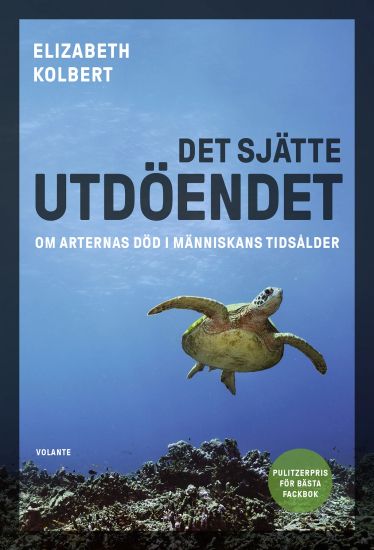
Arterna dör i en aldrig förr skådad takt. Detta är det sjätte massutdöendet och det pågår mitt framför våra ögon. Under de föregående 500 miljoner åren år har jorden drabbats av fem förödande massutrotningar. Denna gång är det värre än någonsin tidigare, och det är ingen slump att det sker i människans tidsålder. Elizabeth Kolberts prisbelönade bok kombinerar mästerligt klassisk populärvetenskap med det journalistiska reportagets drivna berättarstil. Kolbert tar oss med ut på fältet för att träffa de forskare runtom vår planet som är mitt uppe i att kartlägga och försöka få oss alla att förstå vidden av det som sker. Hennes berättelse handlar inte minst om alla de redan utdöda arterna och de som nu står på katastrofens rand. Med ett specialskrivet förord av Patrik Svensson, författare till Augustprisbelönade Ålevangeliet. Elizabeth Kolbert är journalist på The New Yorker och belönades med Pulizerpriset för Det sjätte utdöendet. Det är en stor och skakande läsupplevelse om ett helt definierande skede i vår planets historia. Om det som kommer att bli mänsklighetens mest bestående arv. "Så vad händer sedan? När vetskapen och medvetenheten har spridit sig. När vi alla mer eller mindre förstår vad Det sjätte utdöendet, precis som en gång Tyst vår, försöker berätta för oss. När vi inser vad som står på spel och hur akut och allvarligt det faktiskt är. Hur dystert och olycksbådande det än kan te sig så finns det hur som helst en del hopp att finna ..." Ur Patrik Svenssons förord. "Det sjätte utdöendet är en otrolig bok, och den visar tydligt att stora, abrupta förändringar kan ske. Det har hänt förut, det kan hända igen." Barack Obama "De 100 bästa fackböckerna genom tiderna: Nr 1 - Det sjätte utdöendet av Elizabeth Kolbert." The Guardian "Det unika med Kolberts författarskap är att hon kombinerar vetenskaplig noggrannhet med kärv humor som gör att man inte kan sluta läsa." National Geographic ""Omtumlande ... Kolbert kartlägger kunnigt den märkliga historien om hur vi kom att bli medvetna om konceptet massutdöenden, och mer brådskande hur vi har börjat inse vår egen roll i det nuvarande ... Ett omistligt bidrag till förståelse för vår planets tillstånd." Al Gore, The New York Times Book Review "Det sjätte utdöendet är en underhållande och spännande bok om ett mycket allvarligt ämne: Den ofattbara förlusten av arter som pågår akut just nu. /.../ en säregen och medryckande blandning av fältreportage och naturhistoria ger hon dig den bakgrund du behöver för att förstå krisen. Boken är en fängslande och ärlig berättelse om konsekvenserna av vår livsstil, som visar dig varför artdöden är en lika viktig utmaning som klimatkrisen." Anne Sverdrup-Thygeson, biolog och författare till Insekternas planet "Styrkan i Elizabeth Kolberts bok ligger i närvaron; hon finns på plats i naturen runtom på jorden, bär vittne, lyssnar till forskare och ifrågasätter. Det är vetenskapsjournalistik när den är som bäst. Den bild hon ger oss skrämmer, manar till eftertanke om våra egna ekologiska fotavtryck, när vi nu skapar den nya geologiska epoken antropocen människans tidsålder." Bo Landin, vetenskapsjournalist, författare och biolog "Att följa arternas uppgång och fall genom årmiljonerna ger ett hisnande perspektiv på våra ekologiska villkor. En välkommen översättning av Jim Jakobsson." Ludvig Hertzberg, SvD
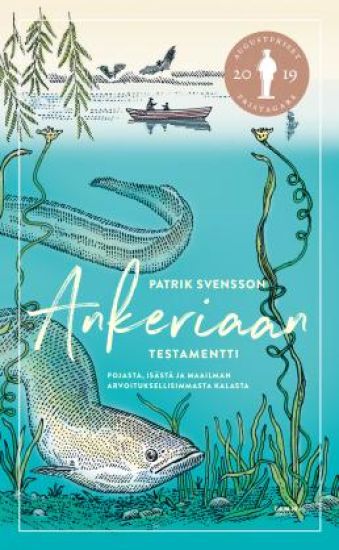
Ankeriaan testamentti

Ankeriaan testamentti

Patrik Svensson

Tammi pokkarit
2020
Pokkari

Halvin toimitettuna 12,22 €

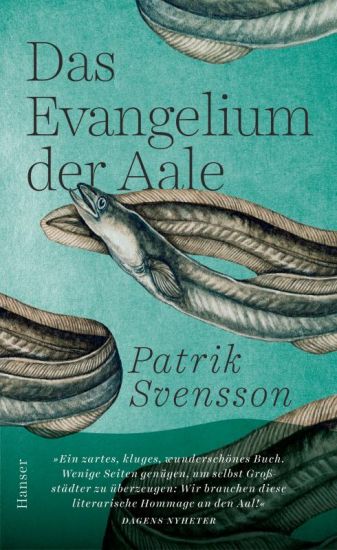
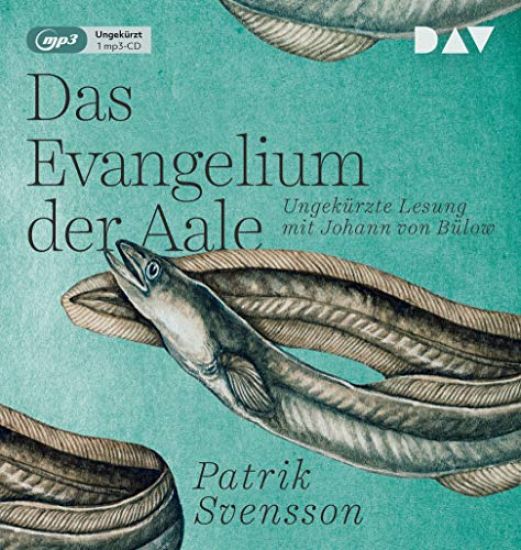
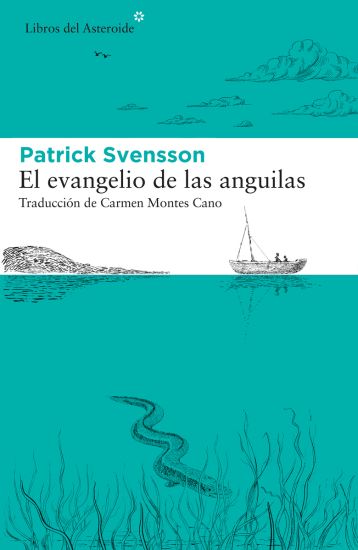
Syvällinen tarina kirjailijasta, hänen isästään ja mystisestä kalasta, joka yhdisti heidät Ankeriaan testamentti on kerronnallista tietokirjallisuutta parhaimmillaan: koskettava kertomus isän ja pojan suhteesta, juurista, kohtalosta, elämästä ja kuoleman kohtaamisesta. Teos on ollut myynti- ja arvostelumenestys kotimaassaan Ruotsissa, ja se on myyty yli 30 maahan. Ankerias on luonnontieteellinen mysteeri, kala, josta tiede, filosofia ja taidekin ovat vuosituhansien ajan turhaan yrittäneet ottaa selkoa. Ja joka tekee nyt kuolemaa silmiemme edessä. Kirja muistuttaa meitä omastakin katoavaisuudestamme ja kaiken hauraudesta. Sukupuuton uhkaamien ankeriaiden kautta käsitellään suuria teemoja kuten ilmastonmuutosta, tieteenhistoriaa, uskontoa ja kuolemaa, ja kuinka meidän tulisi elää ennen sitä. Patrik Svensson on syntynyt Kvidingessä Ruotsissa vuonna 1972. Hän työskentelee toimittajana sanomalehti Sydsvenskanin kulttuuritoimituksessa ja asuu Malmössä. Ankeriaan testamentti on hänen esikoiskirjansa.
Big Digital Humanities

Big Digital Humanities

Patrik Svensson

The University of Michigan Press
2016
nidottu
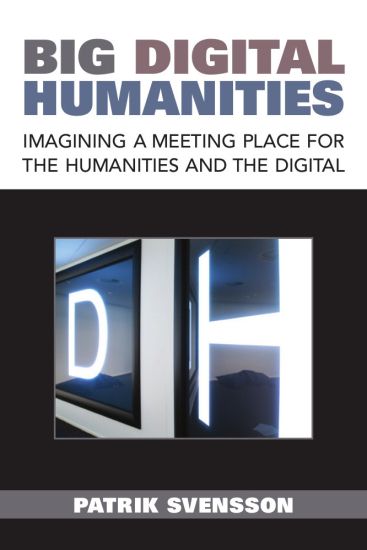
Big Digital Humanities has its origins in a series of seminal articles Patrik Svensson published in the Digital Humanities Quarterly between 2009 and 2012. As these articles were coming out, enthusiasm around Digital Humanities was acquiring a great deal of momentum and significant disagreement about what did or didn’t “count” as Digital Humanities work. Svensson’s articles provided a widely sought after omnibus of Digital Humanities history, practice, and theory. They were informative and knowledgeable and tended to foreground reportage and explanation rather than utopianism or territorial contentiousness. In revising his original work for book publication, Svensson has responded to both subsequent feedback and new developments. Svensson’s own unique perspective and special stake in the Digital Humanities conversation comes from his role as director of the HUMlab at Umeå University. HUMlab is a unique collaborative space and Digital Humanities center, which officially opened its doors in 2000. According to its own official description, the HUMlab is an open, creative studio environment where “students, researchers, artists, entrepreneurs and international guests come together to engage in dialogue, experiment with technology, take on challenges and move scholarship forward.” It is this last element “moving scholarship forward” that Svensson argues is the real opportunity in what he terms the “big digital humanities,” or digital humanities as practiced in collaborative spaces like the HUMlab, and he is uniquely positioned to take an account of this evolving dimension of Digital Humanities practice.
Big Digital Humanities

Big Digital Humanities

Patrik Svensson

The University of Michigan Press
2016
sidottu
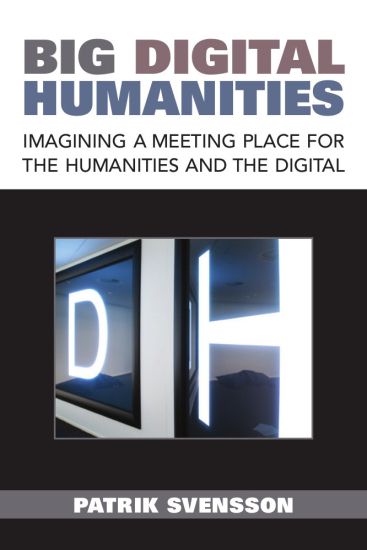
Big Digital Humanities has its origins in a series of seminal articles Patrik Svensson published in the Digital Humanities Quarterly between 2009 and 2012. As these articles were coming out, enthusiasm around Digital Humanities was acquiring a great deal of momentum and significant disagreement about what did or didn’t “count” as Digital Humanities work. Svensson’s articles provided a widely sought after omnibus of Digital Humanities history, practice, and theory. They were informative and knowledgeable and tended to foreground reportage and explanation rather than utopianism or territorial contentiousness. In revising his original work for book publication, Svensson has responded to both subsequent feedback and new developments. Svensson’s own unique perspective and special stake in the Digital Humanities conversation comes from his role as director of the HUMlab at Umeå University. HUMlab is a unique collaborative space and Digital Humanities center, which officially opened its doors in 2000. According to its own official description, the HUMlab is an open, creative studio environment where “students, researchers, artists, entrepreneurs and international guests come together to engage in dialogue, experiment with technology, take on challenges and move scholarship forward.” It is this last element “moving scholarship forward” that Svensson argues is the real opportunity in what he terms the “big digital humanities,” or digital humanities as practiced in collaborative spaces like the HUMlab, and he is uniquely positioned to take an account of this evolving dimension of Digital Humanities practice.