
Kirjojen hintavertailu – 12 859 818 kirjaa ja 27 kauppaa

Kirjailija

Patty Ogilvie-Evans

Kirjat ja teokset yhdessä paikassa: 2 kirjaa, julkaisuja vuosilta 2018–2019, suosituimpiin kuuluu Lorado: A Saskatchewan Cold War Uranium Mine and Custom Mill. Vertaile teosten hintoja ja tarkista saatavuus suomalaisista kirjakaupoista.

2 kirjaa

Kirjojen julkaisuvuodet: 2018–2019.

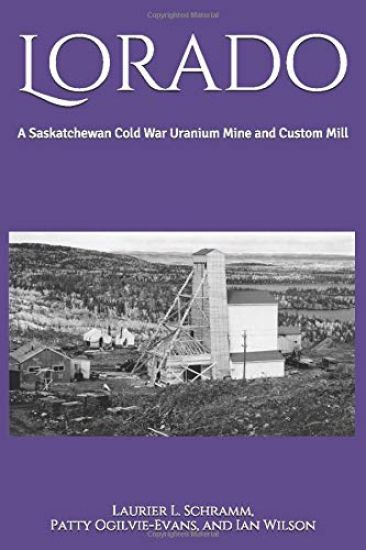
Lorado: A Saskatchewan Cold War Uranium Mine and Custom Mill

Lorado: A Saskatchewan Cold War Uranium Mine and Custom Mill

Patty Ogilvie-Evans; Ian Wilson; Laurier L. Schramm

Saskatchewan Research Council
2019
nidottu
The Lorado deposit was discovered in 1950 in a remote location in northern Saskatchewan, and just north of Lake Athabasca. Subsequent exploration and development led to a mine, mill, and associated campsites being built, all of which were fully operational by 1957. The Lorado mill was unique, having been designed to process ores from smaller, neighbouring mines that would otherwise not have succeeded. This made Lorado the third largest producer of uranium (yellowcake) concentrate in Saskatchewan and one of the top five in Canada during the Cold War era. By 1960 the markets for uranium had crashed and operations were closed but, having produced about 1,210 tonnes of uranium concentrate, Lorado had played a significant role in helping Canada become one of the largest uranium producers in the world. Beyond uranium, the Lorado mine produced about 500,000 m3 of highly acidic tailings, which entered nearby Nero Lake virtually destroying it. Following closure in 1960, the Lorado site stood abandoned for the next twenty years, until the site owners cleaned up most of the mine infrastructure in 1982, and the mill buildings in 1990. Another sixteen years would pass before the government of Saskatchewan stepped in and contracted the management of the rest of the remediation to the Saskatchewan Research Council (SRC). At the time of writing this book essentially all of the Lorado sites' remediation had been completed, with active monitoring in progress subsequent to ultimately releasing them into a long-term management and monitoring program.
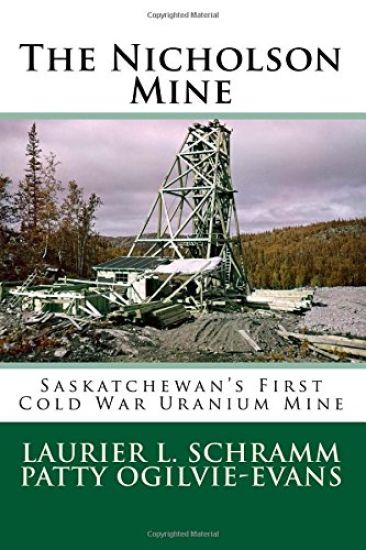
The Nicholson Mine: Saskatchewan's First Cold War Uranium Mine

The Nicholson Mine: Saskatchewan's First Cold War Uranium Mine

Patty Ogilvie-Evans; Laurier L. Schramm

Saskatchewan Research Council
2018
nidottu
The first discovery of uranium in Saskatchewan was at Nicholson Bay, in a remote northern location on the shore of Lake Athabasca. Uranium was first noted at what became the Nicholson site in 1929 when uranium was only of interest as an indicator of radium potential. When uranium ores became of strategic national interest in about 1940, a cross-Canada search was launched to find uranium deposits. The first to be found and developed was in the Northwest Territories. The second arose from a return to exploration at the Nicholson site in the Beaverlodge area in 1944. The Nicholson mine was the first uranium mine to be developed in Saskatchewan and, in 1949 was the only active uranium mine in Canada outside of the Northwest Territories. By 1959 the Nicholson ore body had been essentially depleted, but the Nicholson mine had played its role in helping Canada become one of the largest uranium producers in the world. It produced about 12,800 tonnes of uranium ore, yielding about 50 tonnes of uranium (as U3O8), and an estimated 60- to 90 thousand m3 of waste rock. Following closure in 1960, the Nicholson site was abandoned with little remediation and no reclamation being done. Forty-five years would pass before the governments of Saskatchewan and Canada reached an agreement to fund the remediation (clean-up) of the Nicholson site, and contracted the management of the project to the Saskatchewan Research Council (SRC). At the time of writing this book the clean-up was about to begin, with several years of clean-up activity anticipated, and then a period subsequent monitoring activity, before the site is expected to be released into a long-term management and monitoring program.