Kirjojen hintavertailu – 12 903 735 kirjaa ja 27 kauppaa

Kirjailija

Paul Anisef

Kirjat ja teokset yhdessä paikassa: 7 kirjaa, julkaisuja vuosilta 1993–2025, suosituimpiin kuuluu Transitions: Schooling and Employment in Canada. Vertaile teosten hintoja ja tarkista saatavuus suomalaisista kirjakaupoista.

7 kirjaa

Kirjojen julkaisuvuodet: 1993–2025.

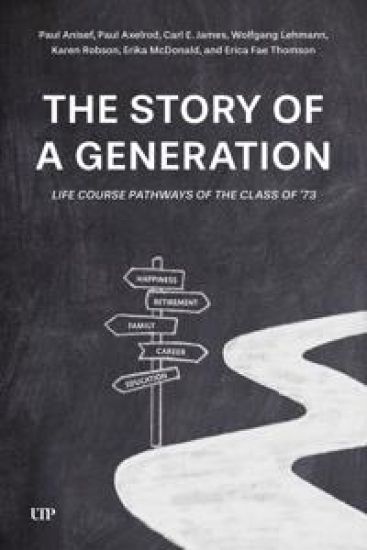
The Story of a Generation

The Story of a Generation

Paul Anisef; Paul Axelrod; Carl E. James; Wolfgan Lehmann; Karen Robson; Erika McDonald; Erica Fae Thomson

UNIVERSITY OF TORONTO PRESS
2025
pokkari
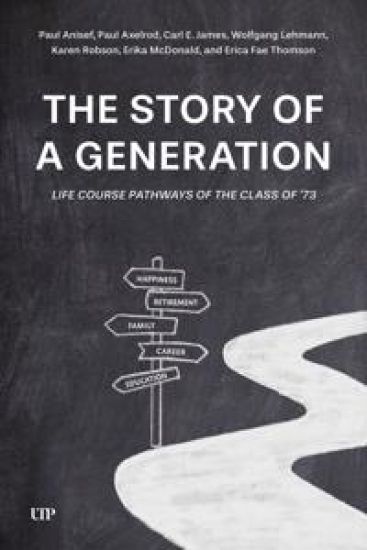
The Story of a Generation, a follow-up to Opportunity and Uncertainty: Life Course Experiences of the Class of ’73 (2000), continues where its predecessor left off. Through surveys and in-depth interviews with a high school class that graduated in 1973, the researchers uncover how these individuals – part of the late baby boomer generation – navigated a rapidly changing world. Through this process, some patterns emerged: parents’ education played a defining role in shaping their children’s futures, while technology revolutionized workplaces and homes. Gender roles shifted, with spouses sharing domestic duties – though not yet equally. And as they aged, this generation found themselves at the forefront of redefining retirement, balancing longer lives with evolving financial and social expectations. Beyond personal stories, The Story of a Generation offers a deeper understanding of how broader social forces – economic shifts, cultural changes, and technological advancements – interacted with individual choices. It’s more than just a study of one group of Canadians; it’s a reflection on how societies transform and how people adapt along the way. For anyone interested in sociology, history, or the human experience, this book provides a rare, intimate look at the passage of time – and the stories we leave behind.
The Story of a Generation

The Story of a Generation

Paul Anisef; Paul Axelrod; Carl E. James; Wolfgan Lehmann; Karen Robson; Erika McDonald; Erica Fae Thomson

UNIVERSITY OF TORONTO PRESS
2025
sidottu
The Story of a Generation, a follow-up to Opportunity and Uncertainty: Life Course Experiences of the Class of ’73 (2000), continues where its predecessor left off. Through surveys and in-depth interviews with a high school class that graduated in 1973, the researchers uncover how these individuals – part of the late baby boomer generation – navigated a rapidly changing world. Through this process, some patterns emerged: parents’ education played a defining role in shaping their children’s futures, while technology revolutionized workplaces and homes. Gender roles shifted, with spouses sharing domestic duties – though not yet equally. And as they aged, this generation found themselves at the forefront of redefining retirement, balancing longer lives with evolving financial and social expectations. Beyond personal stories, The Story of a Generation offers a deeper understanding of how broader social forces – economic shifts, cultural changes, and technological advancements – interacted with individual choices. It’s more than just a study of one group of Canadians; it’s a reflection on how societies transform and how people adapt along the way. For anyone interested in sociology, history, or the human experience, this book provides a rare, intimate look at the passage of time – and the stories we leave behind.
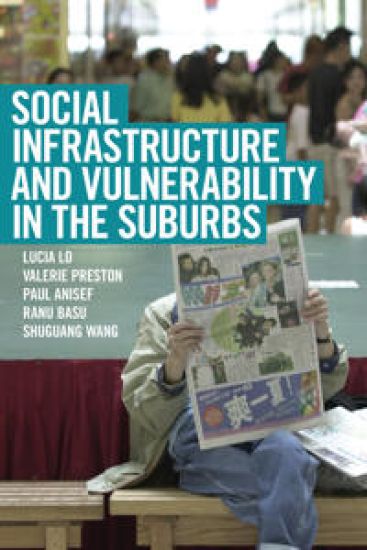
Social Infrastructure and Vulnerability in the Suburbs

Social Infrastructure and Vulnerability in the Suburbs

Lucia Lo; Valerie Preston; Paul Anisef; Ranu Basu; Shuguang Wang

University of Toronto Press
2015
sidottu
Social Infrastructure and Vulnerability in the Suburbs examines how the combination of the low-density, car-centric geography of outer suburbs and neoliberal governance in the past several decades has affected disadvantaged populations in North American metro areas. Taking the example of York Region, a large outer suburb north of Toronto, the authors provide a spatial analysis that illuminates the invisible geography of vulnerability in the region. The volume examines access to social services by vulnerable groups who are not usually associated with the suburbs: recent immigrants, seniors, and low-income families. Investigating their access to four types of social infrastructure – education, employment, housing, and settlement services – this book presents a range of policy recommendations for how to address the social inequalities that characterize contemporary outer suburbs.
Social Infrastructure and Vulnerability in the Suburbs

Social Infrastructure and Vulnerability in the Suburbs

Lucia Lo; Valerie Preston; Paul Anisef; Ranu Basu; Shuguang Wang

University of Toronto Press
2015
pokkari
Social Infrastructure and Vulnerability in the Suburbs examines how the combination of the low-density, car-centric geography of outer suburbs and neoliberal governance in the past several decades has affected disadvantaged populations in North American metro areas. Taking the example of York Region, a large outer suburb north of Toronto, the authors provide a spatial analysis that illuminates the invisible geography of vulnerability in the region. The volume examines access to social services by vulnerable groups who are not usually associated with the suburbs: recent immigrants, seniors, and low-income families. Investigating their access to four types of social infrastructure – education, employment, housing, and settlement services – this book presents a range of policy recommendations for how to address the social inequalities that characterize contemporary outer suburbs.
Preparing for Post-Secondary Education

Preparing for Post-Secondary Education

Sweet; Paul Anisef

McGill-Queen's University Press
2005
sidottu
Most Canadian parents have had to assume a larger share of the financial costs of their children's post-secondary education because of declining government funding and changing loans and bursary programs. Preparing for Post-Secondary Education considers the impact of increased private support and the planning strategies parents use based on information from a 1999 Statistics Canada national survey of 34,000 households. The contributors begin by examining changes to national and international educational funding policies and the relationship between public and private costs. They focus on the role of families in marshaling the necessary resources, demonstrating that access to post-secondary education is also determined by social capital. The authors conclude that new partnerships between parents, the state, and schools are redefining the various players' roles and commitments to the educational futures of Canadian children. Contributors include the late Stephen Bell (York University), Scott Davies (McMaster University), Ross Finnie (Queen's University), George Frempong (York University), Dianne Looker (Acadia University), Nancy Mandell (York University), Sheila Marshall (University of British Columbia), Hans Schuetze (University of British Columbia), Victor Thiessen (Dalhousie University), Jim White (University of British Columbia), and Jamie Wood (University of British Columbia).
Opportunity and Uncertainty

Opportunity and Uncertainty

Paul Anisef; Paul Axelrod

University of Toronto Press
2000
pokkari
Based on the longest running panel study of its kind in Canada, this book examines events in the lives of a generation of Ontario residents who graduated from grade twelve in 1973. The study recreates the world of the early 1970s in which these high school students faced the future. It recounts their educational and occupational experiences in the late 1970s, follows their vocational and career pathways during the subsequent decade, and searches for patterns in their personal and family lives through the late 1980s and early 1990s. By painting a portrait of a little-known cohort, this interdisciplinary project provides a wealth of information about the links between schooling and employment in a time of economic instability and addresses the different ways in which women and men attempt to reconcile familial and occupational demands. The study employs life course theory, which explores the dynamic relationship between the individual and the social order. Structural forces such as social class, gender, ethnicity, and race played an unmistakable role in the lives of the Class of '73. So, too, did human agency. Using survey research, historical documentation, in-depth interviews, and personal biographies, the authors seek to explain one generation's emergence from adolescence into adulthood in an era characterised by both opportunity and uncertainty.