Kirjojen hintavertailu – 12 903 725 kirjaa ja 27 kauppaa

Kirjailija

Paul Binski

Kirjat ja teokset yhdessä paikassa: 7 kirjaa, julkaisuja vuosilta 1991–2024, suosituimpiin kuuluu Peterborough Cathedral 2001-2006. Vertaile teosten hintoja ja tarkista saatavuus suomalaisista kirjakaupoista.

7 kirjaa

Kirjojen julkaisuvuodet: 1991–2024.

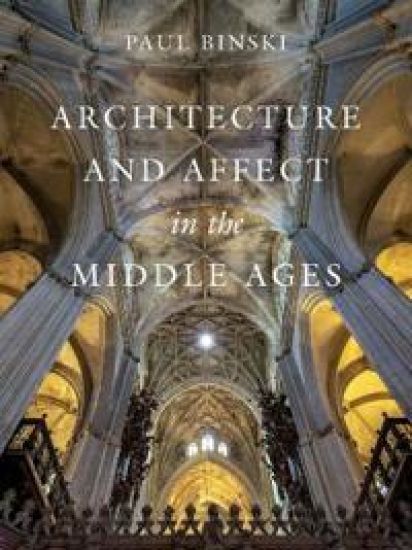
Architecture and Affect in the Middle Ages

Architecture and Affect in the Middle Ages

Paul Binski

University of California Press
2024
sidottu
How did people living in the Middle Ages respond to spectacular buildings, such as the Gothic cathedrals? While contemporary scholarship places a large emphasis on the emotional content of Western medieval figurative art, the emotion of architecture has largely gone undiscussed. In a radical new approach, Architecture and Affect in the Middle Ages explores the relationship between medieval buildings and the complexity of experience they engendered. Paul Binski examines long-standing misconceptions about the way viewers responded to medieval architecture across Western Europe and in Byzantine and Arabic culture between Late Antiquity and the end of the medieval period. He emphasizes the importance of the experience itself within these built environments, essentially places of action, space, and structure but also, crucially, of sound and emotion.
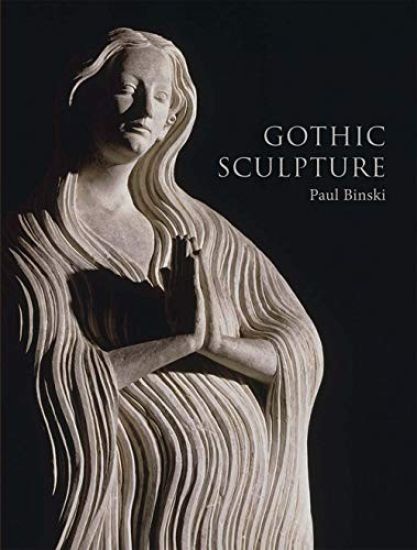
Gothic Sculpture

Gothic Sculpture

Paul Binski

Yale University Press
2019
sidottu
In this beautifully illustrated study, Paul Binski offers a new account of sculpture in England and northwestern Europe between c. 1000 and 1500, examining Romanesque and Gothic art as a form of persuasion. Binski applies rhetorical analysis to a wide variety of stone and wood sculpture from such places as Wells, Westminster, Compostela, Reims, Chartres, and Naumberg. He argues that medieval sculpture not only conveyed information but also created experiences for the subjects who formed its audience. Without rejecting the intellectual ambitions of Gothic art, Binski suggests that surface effects, ornament, color, variety, and discord served a variety of purposes. In a critique of recent affective and materialist accounts of sculpture and allied arts, he proposes that all materials are shaped by human intentionality and artifice, and have a “poetic.” Exploring the imagery of growth, change, and decay, as well as the powers of fear and pleasure, Binski allows us to use the language and ideas of the Middle Ages in the close reading of artifacts. Published in association with the Paul Mellon Centre for Studies in British Art
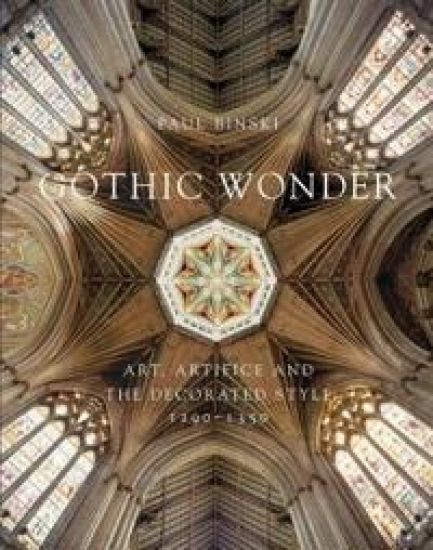
Gothic Wonder

Gothic Wonder

Paul Binski

Yale University Press
2014
sidottu
In this wide-ranging, eloquent book, Paul Binski sheds new light on one of the greatest periods of English art and architecture, offering ground-breaking arguments about the role of invention and the powers of Gothic art. His richly documented study locates what became known as the Decorated Style within patterns of commissioning, designing, and imagining whose origins lay in pre-Gothic art. By examining notions of what was extraordinary, re-evaluating medieval ideas of authorship, and restoring economic considerations to the debate, Binski sets English visual art of the early 14th century in a broad European context and also within the aesthetic discourses of the medieval period. The author, stressing the continuum between art and architecture, challenges understandings about agency, modernity, hierarchy, and marginality. His book makes a powerful case for the restoration of the category of the aesthetic to the understanding of medieval art. Generously illustrated with hundreds of images, Gothic Wonder traces the impact of English art in Continental Europe, ending with the Black Death and the literary uses of the architectural in works by Geoffrey Chaucer and other writers. Published for the Paul Mellon Centre for Studies in British Art
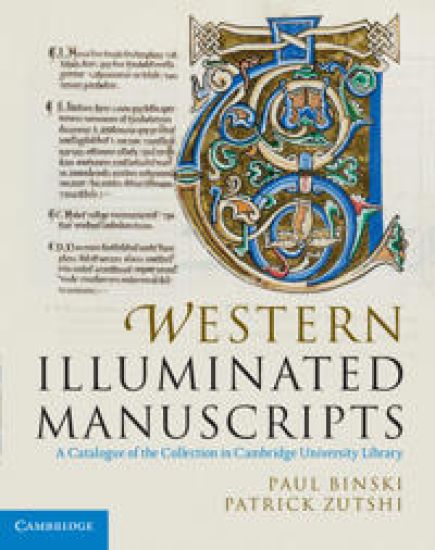
Western Illuminated Manuscripts

Western Illuminated Manuscripts

Paul Binski; Patrick Zutshi

Cambridge University Press
2011
sidottu
Cambridge University Library's collection of illuminated manuscripts is of international significance. It originates in the medieval university and stands alongside the holdings of the colleges and the Fitzwilliam Museum. The University Library contains major European examples of medieval illumination from the ninth to the sixteenth centuries, with acknowledged masterpieces of Romanesque, Gothic and Renaissance book art, as well as illuminated literary texts, including the first complete Chaucer manuscript. This catalogue provides scholars and researchers easy access to the University Library's illuminated manuscripts, evaluating the importance of many of them for the very first time. It contains descriptions of famous manuscripts, for example the Life of Edward the Confessor attributed to Matthew Paris, as well as hundreds of lesser-known items. Beautifully illustrated throughout, the catalogue contains descriptions of individual manuscripts with up-to-date assessments of their style, origins and importance, together with bibliographical references.
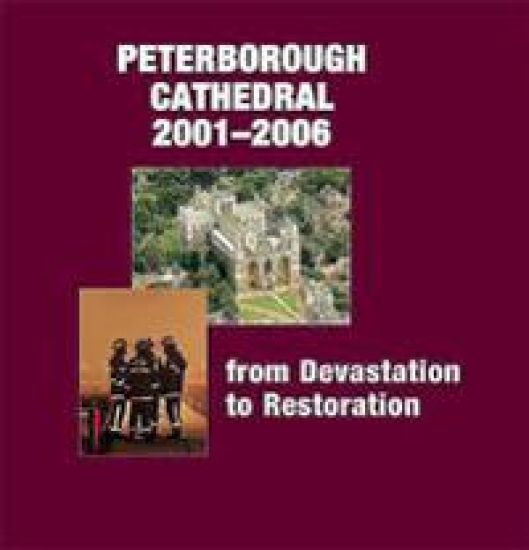
Peterborough Cathedral 2001-2006

Peterborough Cathedral 2001-2006

Michael Bunker; Paul Binski

Paul Holberton Publishing
2006
sidottu
Peterborough Cathedral - one of the finest Romanesque cathedrals in Northern Europe - was ravaged by fire on 22 November 2001. The first part of this book is a personal account of the process of restoring the Cathedral after that devastating event, illustrated with colour photographs from the day of the fire, through the restoration process, to the Festival of Thanksgiving four years later. The second part of the book focuses on Peterborough Cathedral's unique 13th-century painted nave ceiling which came close to complete destruction. It has been written as a testimony to the faith and vision of those who saw through this unique project and of those who have encouragement and financial support.
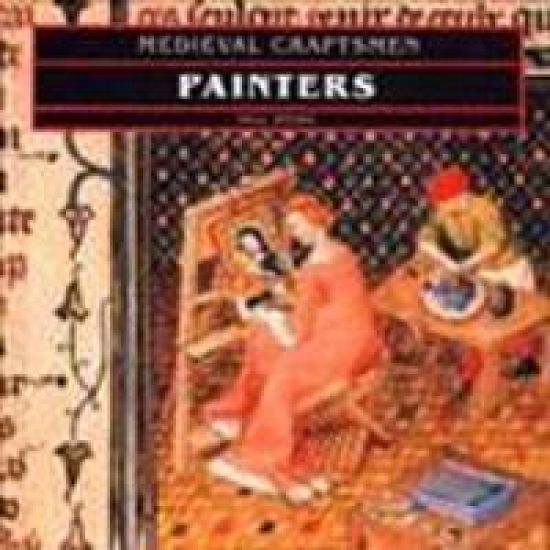
Painters

Painters

Paul Binski

University of Toronto Press
1991
pokkari
Medieval churches glowed with the colours of painted walls, altarpieces, and screens. Although much of this art has been lost, enough survives to illuminate this fascinating account of the methods and motivation of the medieval painter. Within the Church, the painters worked to illustrate doctrine as well as to beautify God's house, but as the medieval economy prospered they translated their skills to the adornment of domestic architecture too. Combining documentary evidence with a study of surviving paintings, the author is able to reconstruct in detail the processes involved in creating the works of art. He also examines who the painters were, how they chose their images, and the social and economic background to their creativity.