Kirjailija
Paul Bradshaw
Kirjat ja teokset yhdessä paikassa: 12 kirjaa, julkaisuja vuosilta 2011–2026, suosituimpiin kuuluu Mobile-First Journalism. Vertaile teosten hintoja ja tarkista saatavuus suomalaisista kirjakaupoista.
12 kirjaa
Kirjojen julkaisuvuodet: 2011–2026.
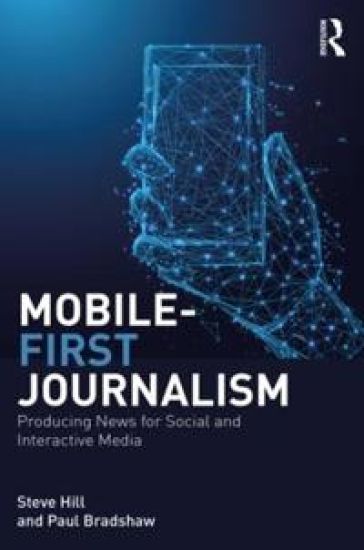
Combining theory and practice, this second edition of Mobile-First Journalism offers an engaging introduction to developing and producing interactive, user-centred content for mobile devices and social media platforms. This book covers the entire news production process – from generating ideas for visual multimedia news content, to skills in verification and newsgathering, and outputting interactive content on websites, apps, and social media platforms. These skills are underpinned with a consideration of ethical and legal concerns involving fake news, online trolling, and the economics of mobile journalism. Chapters begin with a list of key learning objectives and feature interviews with media professionals, exercises, and profiles of successful media companies, as well examples and lessons learned from platforms and publishers that have failed. On top of extensive updates throughout, this second edition features: • New and expanded chapters on visual and audio journalism to reflect the rise of social video content and podcasts, as well as new and evolving distribution platforms; • New material on the impact of AI, including tools and ethical issues; • Consideration of the increasingly complex legal, ethical, and regulatory environment; • Discussion of changing market conditions, including an increased focus on ROI and changes to social media algorithms. Mobile-First Journalism is essential reading for students and early-career media professionals looking for a lively introduction to the topic.

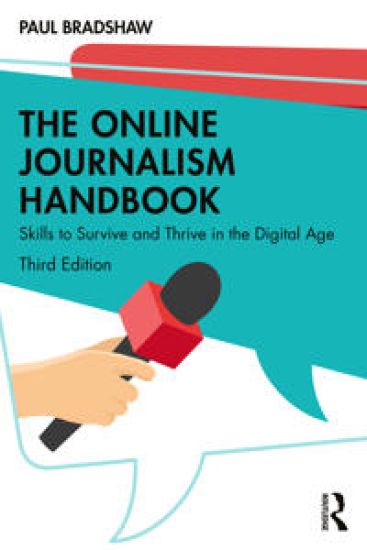
The Online Journalism Handbook offers a comprehensive guide to the ever-evolving world of digital journalism, showcasing the multiple possibilities in researching, writing, and storytelling provided by new technologies. In this new edition, Paul Bradshaw presents an engaging mix of technological expertise with real-world practical guidance to illustrate how those training and working as journalists can improve the development, presentation, and global reach of their stories through webbased technologies. Thoroughly revised and updated, this third edition features:A new chapter dedicated to writing for email and chat, with updated case studiesNew sections covering online abuse, news avoidance, and trustUpdated coverage of accessibility, inclusivity, and diversity in sourcing, writing for social media, and audio and videoNew formats, including social audio, audiograms, Twitter threads, the “Stories” format, charticles, and “scrollytelling”Expanded international examples throughoutThe Online Journalism Handbook is an essential guide for all journalism students and professional journalists and will also be of interest to digital media practitioners. The companion website for this book further enhances student knowledge through regularly updated case studies, real-time development reports, and in-depth discussion pieces from cutting-edge sources.
Media publishers produce news for a full range of smart devices – including smartphones, tablets and watches. Combining theory and practice, Mobile-First Journalism examines how audiences view, share and engage with journalism on internet-connected devices and through social media platforms. The book examines the interlinked relationship between mobile technology, social media and apps, covering the entire news production process – from generating ideas for visual multimedia news content, to skills in verification and newsgathering, and outputting interactive content on websites, apps and social media platforms. These skills are underpinned with a consideration of ethical and legal concerns involving fake news, online trolling and the economics of mobile journalism. Topics include: understanding how mobile devices, social media platforms and apps are interlinked; making journalistic content more engaging and interactive; advice on how successful news publishers have developed mobile and social media strategies; adopting an approach that is entrepreneurial and user-centered; expert interviews with journalists, academics and software developers; learning key skills to launch and develop news websites, apps and social media outputs. Mobile-First Journalism is essential reading for journalism students and media professionals and of interest to those studying on courses in social and new media.
Grasping the Heel of Heaven
Paul Bradshaw; Mark Chapman; Paula Gooder; Nicholas Holtam; David Stancliffe; Rachel Treweek; Justin Welby
Canterbury Press Norwich
2018
nidottu
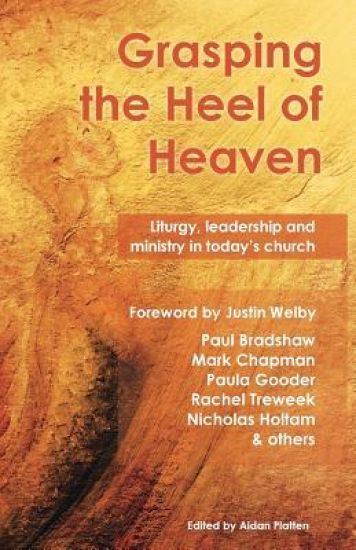
Grasping the Heel of Heaven honours the immense legacy to the church of Michael Perham. A skilled and imaginative liturgist, a passionate advocate of women’s ministry, an inspirational dean and bishop, a wise and patient administrator, he was above all a faithful priest who loved the Church as the body of Christ. In all his ministry he sought to nourish that body by encouraging its worship and prayer and shaping its governance in the light of gospel ideals. In this volume, friends and colleagues bring their own expertise to reflect on some of the topics and themes that were most important to him, including: • Being transported and transformed by liturgy • The making of Common Worship • The full inclusion of the ministry of women • How structures and decision-making express an understanding of God • Unity despite differences in and through God • The gospel as good news for all Together, the contributors reflect the numerous ways that Michael Perham saw heaven touching earth and earth glimpsing heaven.
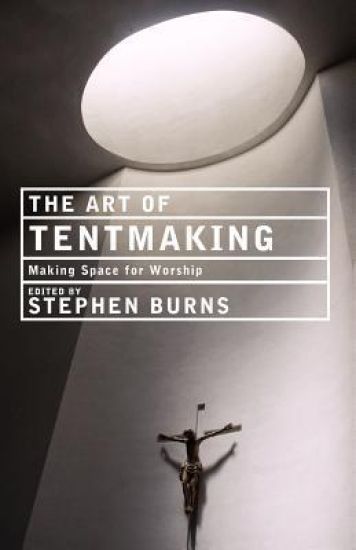
The Art of Tentmaking
Paul Bradshaw; Stephen Cottrell; Steven Croft; Martyn Percy
Canterbury Press Norwich
2012
nidottu
In The Art of Tentmaking an illustrious line up of international contributors from Anglican, Roman Catholic, Methodist and Lutheran traditions, share their insights on essential aspects of liturgy and liturgical renewal including: · Paul Bradshaw on the history of Christian worship · Rosalind Brown on participation and the priesthood of all believers · Stephen Cottrell on sacramental spirituality · Steven Croft on simplicity in the liturgy · Carol Doran on the renewal of church music · Martyn Percy on openness and inclusivity · and many more. This book will appeal to all who practice presidency in Christian worship, and have responsibilities for shaping Christian assembly: architects, artists, musicians, as well as clergy and all with focal roles.
Including comprehensive coverage on both print and online, consumer and free magazines, Magazine Editing looks at how magazines work and explains the dual role of the magazine editor. John Morrish and Paul Bradshaw consider the editor both as a journalist, having to provide information and entertainment for readers, and as a manager, expected to lead and supervise successfully the development of a magazine or periodical. Looking at the current state of the magazine market in the twenty-first century, the third edition explains how this has developed and changed in recent years, with specific attention paid to the explosion of apps, e-zines, online communities and magazine websites. Featuring case studies, interviews with successful editors, examples of covers and spreads, and useful tables and graphs, this book discusses the editor’s many roles and details the skills needed to run a publication. Magazine Editing offers practical guidance on:how to create an editorial strategyhow to lead and manage an editorial teamresearching a market and finding new readersdealing with budgets and financeworking with designers and production stafflegal, technological and ethical dilemmasonline distribution, social media and search engine optimisationmanaging information overloadhow to become an editor.