
Kirjailija
Paul Butler
Kirjat ja teokset yhdessä paikassa: 34 kirjaa, julkaisuja vuosilta 1988–2026, suosituimpiin kuuluu Titanic Ashes. Vertaile teosten hintoja ja tarkista saatavuus suomalaisista kirjakaupoista.
34 kirjaa
Kirjojen julkaisuvuodet: 1988–2026.







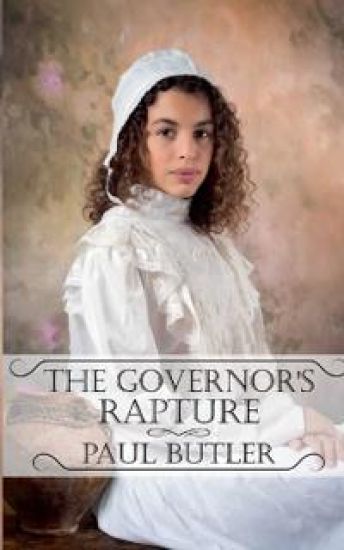
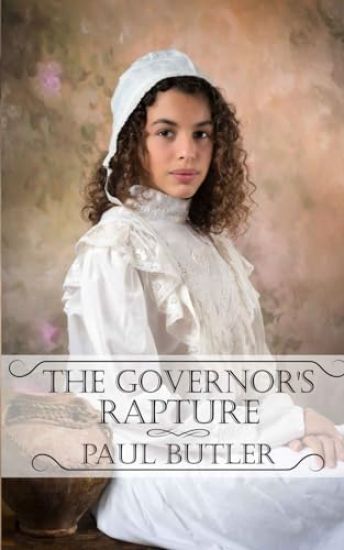
There is Divine intelligence behind every event in nature. This was what Eliza George has been told. But as she tries to care for her bedridden grandmother, Jessica, while the terrible winter of 1817-18 overtakes the port town of St. John's, she would rather not believe it. It seems the George family has been cursed ever since Jessica tragically lost her lover, a respectable petty officer, forty years before. Cast out of her home and with child, Jessica is finally rescued by a Quaker family but her son, Michael, and granddaughter, Eliza, must forever live with the taint of being the objects of charity. When Eliza discovers that the death of her grandfather all those years ago was no accident but the result of a duel, and that the culprit was none other than the governor of the colony of Newfoundland, the notion of Divine will takes the blackest of turns. Can Eliza usurp the creator and make herself the instrument of her family's retribution?
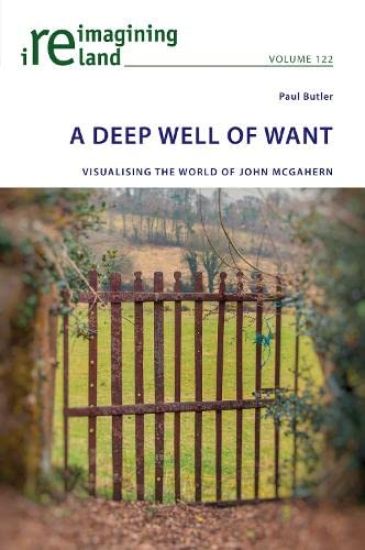
«Paul Butler’s monograph is a wonderful illustration of how a visual reading of McGahern can reveal previously undiscovered aspects of the writer’s aesthetic approach. ‘The Deep Well of Want’ of the title is an expression that captures the pain and hurt at the core of the life journey of both writer and photographer. Paul’s exquisite photos allow us a special entry into ‘McGahern Land’, whose landscape and people nurtured the writer’s creative inspiration. This indispensable study will deepen McGahern readers’ understanding of what lies at the core of his artistic quest.» (Eamon Maher, TU Dublin) This book represents a unique visualisation of the world of Irish writer John McGahern through his words and the imagery of artist Paul Butler. Traumatic events in the lives of both McGahern and Butler shaped their paths, creating a want to write in McGahern and a want to create imagery in Butler. Butler explores the difficult and complex childhood that the two shared, and through a series of beautiful images that he himself has created in McGahern’s own part of Ireland, he draws parallels between them and, as Eamonn Wall says in his Preface, produces a rich and life-affirming appreciation of literature, art and imagery.

In America's sixties and seventies, Jack is working in a minimum-security prison for young men when he meets Marlon-and Marlon has a story to tell. Spared the horrors of a hardened adult prison, he is forced to accept his current situation while telling Jack a bit about himself. He and his friends ill advisedly stole a car and rolled it along while drinking. Their theft concluded in an accident. People got hurt, and Marlon fled. The next morning, though, the reservation police arrived at his home and arrested him, which is how he ends up talking to Jack. Marlon's reservation houses about two thousand American Indians. By day, his neighbors are all for peace and love; at night, when they get drunk, violence spreads. It's a horrible way to live, forcing Marlon to struggle with his identity while fighting racial inequality. The Way of the Buffalo offers a fictionalized inside look at this tumultuous age of flower power through the eyes of a Native American youth who can't find meaning in a crazy world.

In America's sixties and seventies, Jack is working in a minimum-security prison for young men when he meets Marlon-and Marlon has a story to tell. Spared the horrors of a hardened adult prison, he is forced to accept his current situation while telling Jack a bit about himself. He and his friends ill advisedly stole a car and rolled it along while drinking. Their theft concluded in an accident. People got hurt, and Marlon fled. The next morning, though, the reservation police arrived at his home and arrested him, which is how he ends up talking to Jack. Marlon's reservation houses about two thousand American Indians. By day, his neighbors are all for peace and love; at night, when they get drunk, violence spreads. It's a horrible way to live, forcing Marlon to struggle with his identity while fighting racial inequality. The Way of the Buffalo offers a fictionalized inside look at this tumultuous age of flower power through the eyes of a Native American youth who can't find meaning in a crazy world.
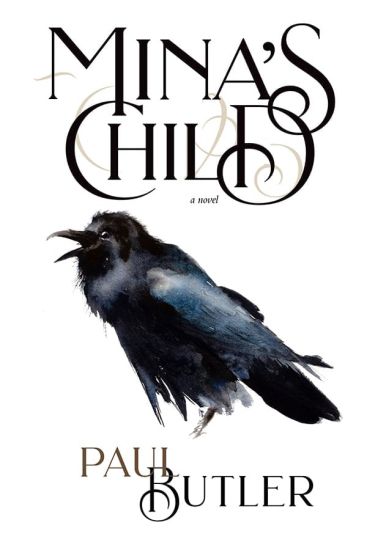
Mina's Child imagines a second generation springing from the "heroes"' in Bram Stoker's Dracula. In 1921, Mina and Jonathan Harker's daughter, Abree, a student at King's College, London, starts to question the extraordinary adventures her parents claim to have experienced in England and the Carpathians. Middle-aged Jonathan Harker is haunted by nightmares that Abree assumes to be about her brother, Quincey, killed in the Great War. As the Harkers follow the thread of their unease back to its source, they are haunted by memories of Lucy Westenra, fianc e to Arthur Holmwood, and the manner of Lucy's death. Having lost her brother, Quincey, in the Great War, Abree refuses to believe in a clear dividing line between good and evil. Abree suspects her parents' tales of glory hide a profound sense of guilt, particularly about the unexplained death of their friend, Lucy Westenra. The Harkers' maid, Jenny, it transpires, has reasons of her own to worry about the chaos in her employer's household. She is carrying Jonathan's child, but Harker plans to evade all such responsibilities. Jenny, suddenly unleashed as a destructive force against the household, decides to make the Harkers face their hypocrisy.

Soul of the Painter: David Taylor and Aesthetic Personality is a monograph presenting the paintings of the Canadian artist David George Taylor with special emphasis upon the visual treatment of his ideas regarding aesthetic personality. A feature of the work is to showcase Taylor's direct aesthetic and moral confrontation with the figure and output of the British painter Francis Bacon and the acclaim he has received within the art world.
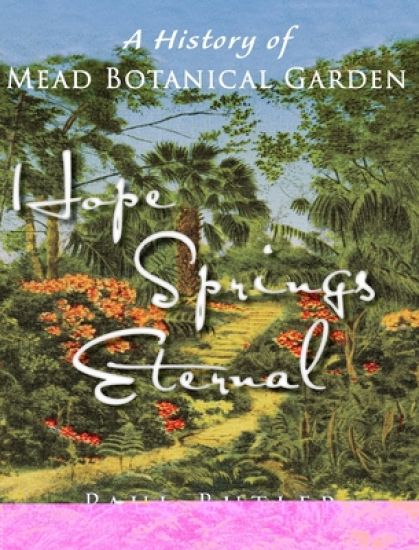
Hope Springs Eternal tells the historical story of Mead Botanical Garden in Winter Park, Florida, the legacy garden of the famous American horticulturist Theodore Mead. Opened in 1940, it was one of the must-see tourist attractions of Central Florida where thousands of visitors enjoyed viewing the most comprehensive collection of orchids and rare tropical plants anywhere in the South. For more than ten years the Garden was a major attraction hosting numerous flower displays and showcasing the beauty of Mead's lifelong passion for plants. However, once acquired by the City of Winter Park, apathy and lack of funds took their toll. In an action seemingly blind to the importance of the very things of which the City should have been most proud, the majority of the orchids and flowering plants were removed in the 1970s, and the Garden entered a forty-year period of neglect and mismanagement and degenerated into a weed-covered community park. Since then volunteers have breathed new life into the botanical nature of the Garden, and a hesitant but persistent 21st-century renaissance has occurred. The strength of their efforts is a testament to humanity's enduring optimism.