Kirjojen hintavertailu – 12 903 725 kirjaa ja 27 kauppaa

Kirjailija

Paul Cobley

Kirjat ja teokset yhdessä paikassa: 7 kirjaa, julkaisuja vuosilta 2009–2018, suosituimpiin kuuluu The Media. Vertaile teosten hintoja ja tarkista saatavuus suomalaisista kirjakaupoista.

7 kirjaa

Kirjojen julkaisuvuodet: 2009–2018.

Cultural Implications of Biosemiotics
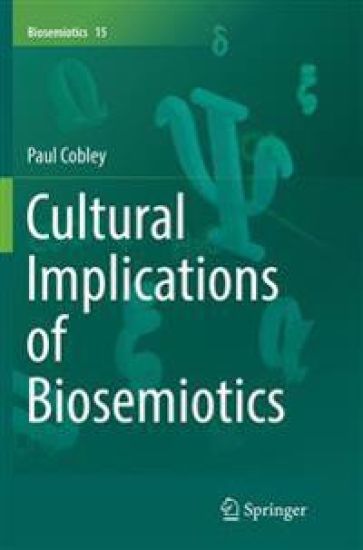
This is the first book to consider the major implications for culture of the new science of biosemiotics. The volume is mainly aimed at an audience outside biosemiotics and semiotics, in the humanities and social sciences principally, who will welcome elucidation of the possible benefits to their subject area from a relatively new field. The book is therefore devoted to illuminating the extent to which biosemiotics constitutes an ‘epistemological break’ with ‘modern’ modes of conceptualizing culture. It shows biosemiotics to be a significant departure from those modes of thought that neglect to acknowledge continuity across nature, modes which install culture and the vicissitudes of the polis at the centre of their deliberations. The volume exposes the untenability of the ‘culture/nature’ division, presenting a challenge to the many approaches that can only produce an understanding of culture as a realm autonomous and divorced from nature.
Cultural Implications of Biosemiotics
This is the first book to consider the major implications for culture of the new science of biosemiotics. The volume is mainly aimed at an audience outside biosemiotics and semiotics, in the humanities and social sciences principally, who will welcome elucidation of the possible benefits to their subject area from a relatively new field. The book is therefore devoted to illuminating the extent to which biosemiotics constitutes an ‘epistemological break’ with ‘modern’ modes of conceptualizing culture. It shows biosemiotics to be a significant departure from those modes of thought that neglect to acknowledge continuity across nature, modes which install culture and the vicissitudes of the polis at the centre of their deliberations. The volume exposes the untenability of the ‘culture/nature’ division, presenting a challenge to the many approaches that can only produce an understanding of culture as a realm autonomous and divorced from nature.
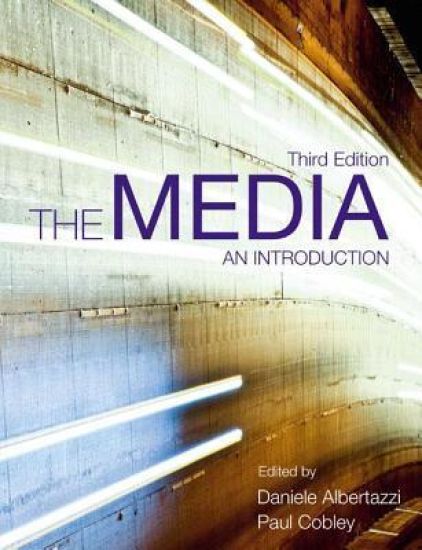
The Media

The Media

Daniele Albertazzi; Paul Cobley

Routledge
2015
sidottu
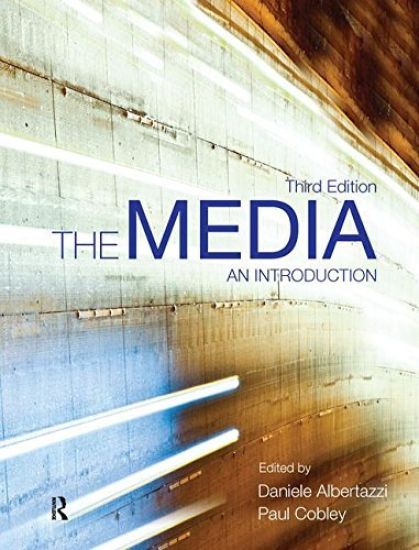
Today, arguably more than at any time in the past, media are the key players in contributing to what defines reality for the citizens of Europe and beyond. This book provides an introduction to the way that the media occupy such a position of prominence in contemporary human existence. This expanded and fully updated third edition of the bestselling The Media: An Introduction collects in one volume thirty-six specially commissioned essays to offer unrivalled breadth and depth for an introduction to the study of contemporary media. It addresses the fundamental questions about today’s media – for example, digitisation and its effects, new distribution technologies, and the implications of convergence, all set against the backdrop of a period of profound social and economic change in Europe and globally. Key features: Expert contributions on each topic Approachable, authoritative contributions provide a solid theoretical overview of the media industry and comprehensive empirical guide to the institutions that make up the media. Further Reading and related web-resource listings encourage further study. New to this edition: New five part structure provides a broad and coherent approach to media: Part 1 Understanding the Media; Part 2 What Are the Media?; Part 3 The Media Environment; Part 4 Audiences, Influences and Effects; Part 5 Media Representations. Brand new chapters on: Approaches to Media; Media Form; Models of Media Institutions; The Media in Europe; Photography; Book Publishing; Newspapers; Magazines; Radio; Television; The Internet and the Web; News Media; Economics; Policy; Public Service Broadcasting in Europe; Censorship and Freedom of Speech; Audience Research; Sexualities; Gender; Social Class; Media and Religion; The Body, Health and Illness; Nationality and Sex Acts. Other chapter topics from the last edition fully updated A wider, more comparative focus on Europe. The Media: An Introduction will be essential reading for undergraduate and postgraduate students of media studies, cultural studies, communication studies, journalism, film studies, the sociology of the media, popular culture and other related subjects.

Narrative

Narrative

Paul Cobley

Routledge
2013
sidottu
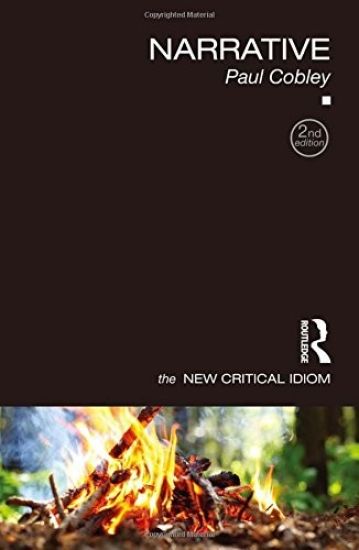
Human beings have constantly told stories, presented events and placed the world into narrative form. This activity suggests a very basic way of looking at the world, yet, this book argues, even the most seemingly simple of stories is embedded in a complex network of relations. Paul Cobley traces these relations, considering the ways in which humans have employed narrative over the centuries to ‘re-present’ time, space and identity. This second, revised and fully updated edition of the successful guidebook to narrative covers a range of narrative forms and their historical development from early oral and literate forms through to contemporary digital media, encompassing Hellenic and Hebraic foundations, the rise of the novel, realist representations, narratives of imperialism, modernism, cinema, postmodernism and new technologies. A final chapter reviews the way that narrative theory in the last decade has re-orientated definitions of narrative. Written in a clear, engaging style and featuring an extensive glossary of terms, this is the essential introduction to the history and theory of narrative.
Narrative

Narrative

Paul Cobley

Routledge
2013
nidottu
Human beings have constantly told stories, presented events and placed the world into narrative form. This activity suggests a very basic way of looking at the world, yet, this book argues, even the most seemingly simple of stories is embedded in a complex network of relations. Paul Cobley traces these relations, considering the ways in which humans have employed narrative over the centuries to ‘re-present’ time, space and identity. This second, revised and fully updated edition of the successful guidebook to narrative covers a range of narrative forms and their historical development from early oral and literate forms through to contemporary digital media, encompassing Hellenic and Hebraic foundations, the rise of the novel, realist representations, narratives of imperialism, modernism, cinema, postmodernism and new technologies. A final chapter reviews the way that narrative theory in the last decade has re-orientated definitions of narrative. Written in a clear, engaging style and featuring an extensive glossary of terms, this is the essential introduction to the history and theory of narrative.
Introducing Semiotics

Introducing Semiotics

Paul Cobley

Icon Books Ltd
2010
nidottu

Halvin toimitettuna 17,90 €

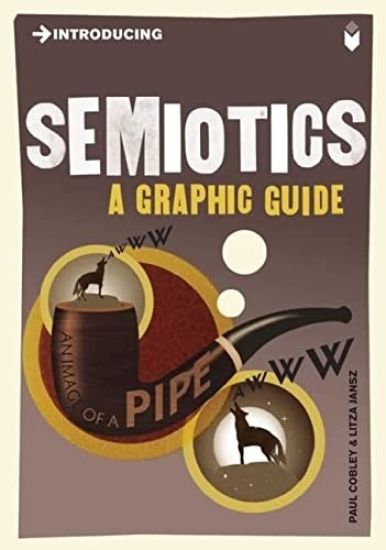
"Introducing Semiotics" outlines the development of sign study from its classical precursors to contemporary post-structuralism. Through Paul Cobley's incisive text and Litza Jansz's brilliant illustrations, it identifies the key semioticians and their work and explains the simple concepts behind difficult terms. For anybody who wishes to know why signs are crucial to human existence and how we can begin to study systems of signification, this book is the place to start.
The Media

The Media

Albertazzi Daniele; Paul Cobley

Routledge
2009
nidottu
Today, arguably more than at any time in the past, media are the key players in contributing to what defines reality for the citizens of Europe and beyond. This book provides an introduction to the way that the media occupy such a position of prominence in contemporary human existence. This expanded and fully updated third edition of the bestselling The Media: An Introduction collects in one volume thirty-six specially commissioned essays to offer unrivalled breadth and depth for an introduction to the study of contemporary media. It addresses the fundamental questions about today’s media – for example, digitisation and its effects, new distribution technologies, and the implications of convergence, all set against the backdrop of a period of profound social and economic change in Europe and globally. Key features: Expert contributions on each topic Approachable, authoritative contributions provide a solid theoretical overview of the media industry and comprehensive empirical guide to the institutions that make up the media. Further Reading and related web-resource listings encourage further study. New to this edition: New five part structure provides a broad and coherent approach to media: Part 1 Understanding the Media; Part 2 What Are the Media?; Part 3 The Media Environment; Part 4 Audiences, Influences and Effects; Part 5 Media Representations. Brand new chapters on: Approaches to Media; Media Form; Models of Media Institutions; The Media in Europe; Photography; Book Publishing; Newspapers; Magazines; Radio; Television; The Internet and the Web; News Media; Economics; Policy; Public Service Broadcasting in Europe; Censorship and Freedom of Speech; Audience Research; Sexualities; Gender; Social Class; Media and Religion; The Body, Health and Illness; Nationality and Sex Acts. Other chapter topics from the last edition fully updated A wider, more comparative focus on Europe. The Media: An Introduction will be essential reading for undergraduate and postgraduate students of media studies, cultural studies, communication studies, journalism, film studies, the sociology of the media, popular culture and other related subjects.