
Kirjailija
Paul Dukes
Kirjat ja teokset yhdessä paikassa: 29 kirjaa, julkaisuja vuosilta 1995–2026, suosituimpiin kuuluu Red Dusk And The Morrow; Adventures And Investigations In Red Russia. Vertaile teosten hintoja ja tarkista saatavuus suomalaisista kirjakaupoista.
29 kirjaa
Kirjojen julkaisuvuodet: 1995–2026.
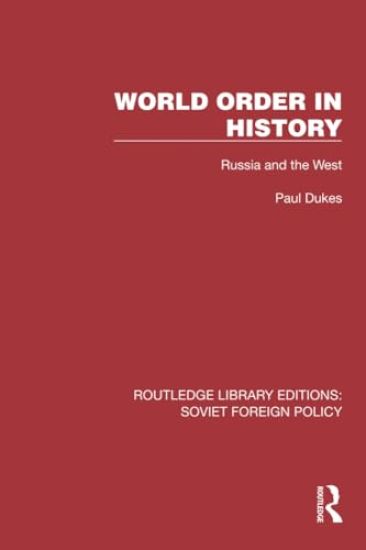
World Order in History (1996) argues that historians’ ideas about world order have been influential in transforming nations’ sense of themselves, and it pursues these arguments with particular reference to Russia and the Soviet Union and the Western world.
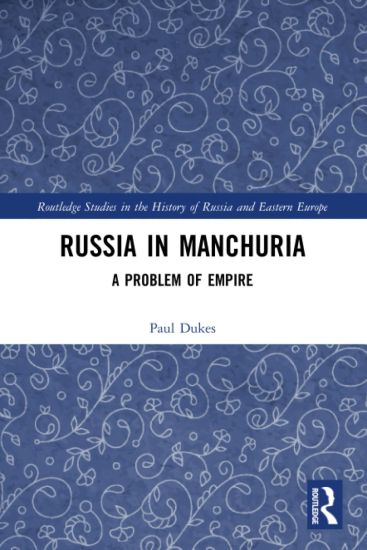
Manchuria, the name given to China’s North-eastern provinces by foreign powers, has been contested by China, Russia and Japan in particular over many centuries. This book surveys the history of Manchuria, focusing particularly on the Russian and Soviet perspective. It outlines early colonisation of the region and examines the importance of the Chinese Eastern Railway, a branch of the Trans-Siberian Railway, and the remarkable railway city of Harbin for consolidating the Russian presence in the region and for developing the region’s economy. It goes on to consider twentieth century developments, including the Japanese invasion and the puppet state of Manchukuo. Throughout, the book reflects on the nature of empire, especially Russian/Soviet imperialism and its similarities to and differences from other nations’ imperial ventures.
World Order in History (1996) argues that historians’ ideas about world order have been influential in transforming nations’ sense of themselves, and it pursues these arguments with particular reference to Russia and the Soviet Union and the Western world.
Manchuria, the name given to China’s North-eastern provinces by foreign powers, has been contested by China, Russia and Japan in particular over many centuries. This book surveys the history of Manchuria, focusing particularly on the Russian and Soviet perspective. It outlines early colonisation of the region and examines the importance of the Chinese Eastern Railway, a branch of the Trans-Siberian Railway, and the remarkable railway city of Harbin for consolidating the Russian presence in the region and for developing the region’s economy. It goes on to consider twentieth century developments, including the Japanese invasion and the puppet state of Manchukuo. Throughout, the book reflects on the nature of empire, especially Russian/Soviet imperialism and its similarities to and differences from other nations’ imperial ventures.
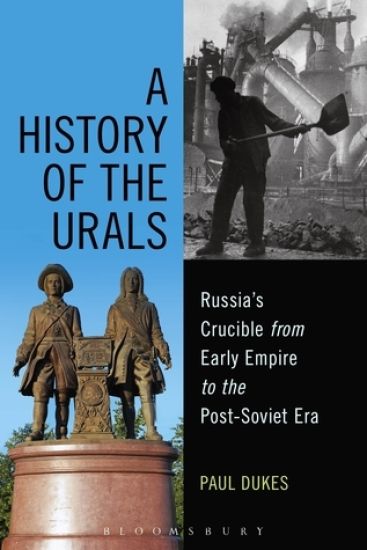
The Urals are best known as the boundary between Europe and Asia. A History of the Urals demonstrates the region's importance in its own right, as a crucible of Russia’s defence industry in particular. In the first English-language book to explore the subject fully, Paul Dukes examines the region's contribution to the power of the state in tsarist, Soviet and post-Soviet times, offering a refreshing antidote to Moscow-centric interpretations of Russian history. The book contextualises more recent periods with chapters on the earlier years of the Urals and covers the key environmental as well as economic, political and cultural themes. The book contains illustrations and maps, plus lists of books and websites, as aids to further research and understanding of the subject. A History of the Urals is an important book that provides new and valuable insights for all students of Russian history.
Revised and expanded, the second edition of this fascinating study surveys the first two centuries of Romanov rule from the foundation of the dynasty by Michael Romanov in 1613 to the accession of Alexander I in 1801. The central theme of the book is the growth of absolutism in Russia throughout these years, and it traces in detail how the Russian variety of what was a contemporary European phenomenon came fully into being.
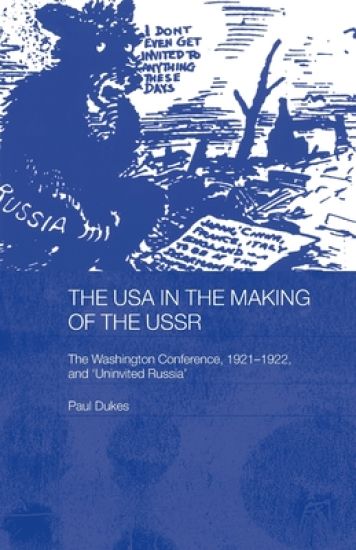
The USA's contribution to the making of the USSR was accidental. In the belief that the Russian Socialist Federative Soviet Republic could not survive, American statesmen strove to keep the former Tsarist empire intact for a non-communist successor regime in the face of attempts by other powers to carve out spheres of influence in both European and Asiatic Russia. In this manner, they unwittingly facilitated the formation of the Union of Soviet Socialist Republics. This book shows the importance of the 'Russian question' at the Washington Conference and throws light on the emergence of the 'Versailles-Washington' system of international relations.
Red Dusk And The Morrow; Adventures And Investigations In Red Russia
Paul Dukes
READ BOOKS
2011
pokkari
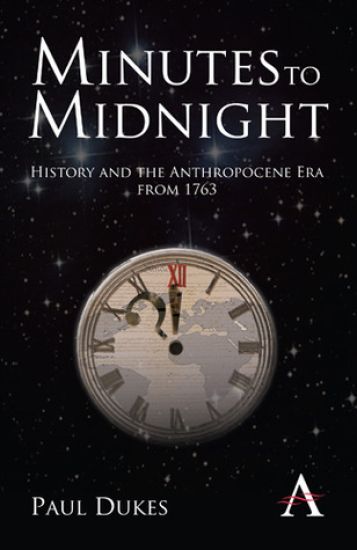
The book examines the evolution of the predicament symbolised by the setting of the Doomsday Clock at a few minutes to midnight in the context of the Anthropocene Era from 1763, making special reference to the study of history throughout the period. It seeks to demonstrate the necessity for history as science, while pointing out the inadequacy of some previous approaches. It argues for a pandisciplinary approach to today’s crisis.
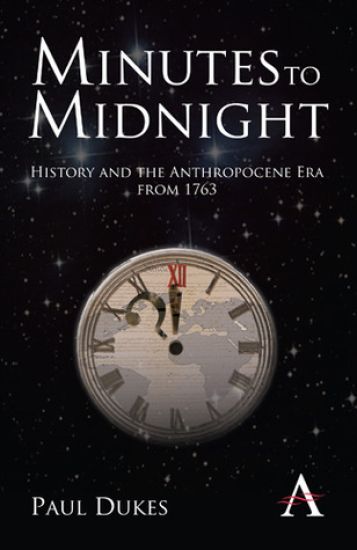
The book examines the evolution of the predicament symbolised by the setting of the Doomsday Clock at a few minutes to midnight in the context of the Anthropocene Era from 1763, making special reference to the study of history throughout the period. It seeks to demonstrate the necessity for history as science, while pointing out the inadequacy of some previous approaches. It argues for a pandisciplinary approach to today’s crisis.
Russian Society in the eighteenth century was dominated by the nobility. This class made large contribution to secular culture and played a role of vital importance in the government, the armed forces and the economic life of Russia. Dr Dukes has based his study on the materials of Catherine the Great's Legislative Commission of 1767. Despite the existence it print since the late nineteenth century of a vast amount of source material in the form of records of this Commission, it has been little explored by western historians. The author begins with a description of noble society before the Commission and of the general situation in Russia before the beginning of Catherine's reign. He constructs a clear, analytical picture of the attitude of the nobility to the chief questions of the day.
The USA's contribution to the making of the USSR was accidental. In the belief that the Russian Socialist Federative Soviet Republic could not survive, American statesmen strove to keep the former Tsarist empire intact for a non-communist successor regime in the face of attempts by other powers to carve out spheres of influence in both European and Asiatic Russia. In this manner, they unwittingly facilitated the formation of the Union of Soviet Socialist Republics. This book shows the importance of the 'Russian question' at the Washington Conference and throws light on the emergence of the 'Versailles-Washington' system of international relations.
The development of Europe accelerated from the middle of the seventeenth century with the formation of the nation states and the growth of empires. By the beginning of the twentieth century, European empires dominated most of the world's surface - however, the two world wars brought the continent down from its peak of power. From 1945 to 1989, Europe lost its empires and fell under the influence of the two superpowers, the USA and the USSR; but with the decline and fall of the latter, Europe has since moved towards a new unity. Paths to a New Europe considers the development of the continent from its origins through premodern to postmodern times, and provides a balanced treatment of Europe and of its wider global setting. Within the overall division of East and West Europe, each section is given due attention and Paul Dukes shows how cultural traditions, along with socio-economic differences and realignments of political power, have evolved over the centuries, still exerting influence as Europe moves towards unity after the collapse of the Eastern bloc and the end of the Cold War.
The development of Europe accelerated from the middle of the seventeenth century with the formation of the nation states and the growth of empires. By the beginning of the twentieth century, European empires dominated most of the world's surface - however, the two world wars brought the continent down from its peak of power. From 1945 to 1989, Europe lost its empires and fell under the influence of the two superpowers, the USA and the USSR; but with the decline and fall of the latter, Europe has since moved towards a new unity. Paths to a New Europe considers the development of the continent from its origins through premodern to postmodern times, and provides a balanced treatment of Europe and of its wider global setting. Within the overall division of East and West Europe, each section is given due attention and Paul Dukes shows how cultural traditions, along with socio-economic differences and realignments of political power, have evolved over the centuries, still exerting influence as Europe moves towards unity after the collapse of the Eastern bloc and the end of the Cold War.
The Superpowers traces the development of the USA and Russia (later USSR) from 1898 through to 2000, placing the Cold War, from inception to ending, into the wider social, economic and political context. This is the first history of the two major participants and their relationship throughout the twentieth century. The Superpowers: explores the intertwining history of the two powers chronologically and includes discussion of: * the inheritance of the two great powers and their imperial background * World War One and the Russian Revolution * Capitalism and Socialism * World War Two and its impact * the conflicts in Berlin, Czechoslovakia, Vietnam and Afghanistan * Perestroika and the end of the USSR * the significance of the events of 1991 and their legacy.
The Superpowers traces the development of the USA and Russia (later USSR) from 1898 through to 2000, placing the Cold War, from inception to ending, into the wider social, economic and political context. This is the first history of the two major participants and their relationship throughout the twentieth century. The Superpowers: explores the intertwining history of the two powers chronologically and includes discussion of: * the inheritance of the two great powers and their imperial background * World War One and the Russian Revolution * Capitalism and Socialism * World War Two and its impact * the conflicts in Berlin, Czechoslovakia, Vietnam and Afghanistan * Perestroika and the end of the USSR * the significance of the events of 1991 and their legacy.
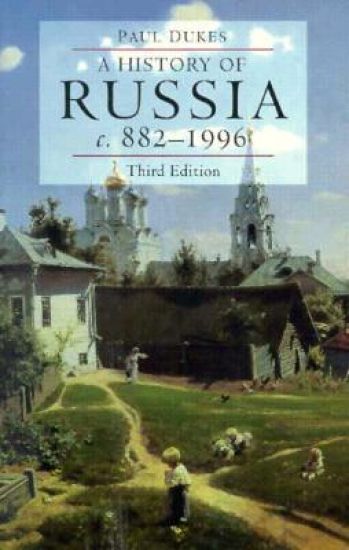
Is today's Russia capable of democracy, the free market, and a pluralist ideology? In this new edition of A History of Russia, Paul Dukes investigates these questions, taking into full account the extraordinary changes that have occurred since the arrival of first Mikhail Gorbachev and then Boris Yeltsin. Substantially expanded and rewritten, this new edition sets these events within the context of over 1100 years of Russian history. Dukes reviews the successive phases in Russian history from medieval Kiev and Muscovy to the current post-Soviet Union, with distinctive sections on political, economic, and cultural aspects of each period. With its breadth of scope and conciseness of presentation, this third edition of A History of Russia will be invaluable to students of European and Russian history, and also to students of Russian language, literature, and social science.