Kirjojen hintavertailu – 12 859 818 kirjaa ja 27 kauppaa
Kirjailija
Paul Fischer
Kirjat ja teokset yhdessä paikassa: 27 kirjaa, julkaisuja vuosilta 1990–2027, suosituimpiin kuuluu Advanced Accounting. Vertaile teosten hintoja ja tarkista saatavuus suomalaisista kirjakaupoista.
Master the theory and practice you need for professional success with Fischer/Taylor/Cheng’s ADVANCED ACCOUNTING, 12E. This leading book offers the most authoritative, comprehensive coverage of advanced accounting topics available. You examine the latest FASB statements and their impact on consolidations. ADVANCED ACCOUNTING, 12E combines sound theoretical foundations with a hands-on approach that uses numerous actual examples common in today’s accounting. This edition’s clear presentation makes even the most complex topics approachable. New and revised end-of-chapter questions reinforce major concepts from each chapter as they help you strengthen and expand your critical thinking and reasoning skills. Only ADVANCED ACCOUNTING, 12E uses a horizontal approach to consolidations, the format most commonly used in the business world. A trusted preparation resource for the CPA exam, ADVANCED ACCOUNTING, 12E provides the knowledge you need for ongoing accounting success.
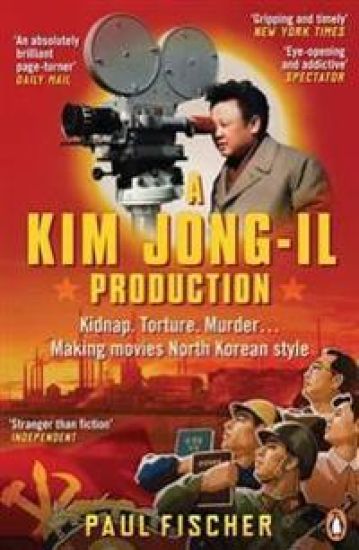
Madame Choi, South Korea's most famous actress, is lured to Hong Kong, drugged and smuggled out on a ship. When her ex-husband, Shin Sang-Ok, Korea's most acclaimed director, goes to look for her, he vanishes too. The pair wake to find themselves in North Korea. There they are imprisoned, tortured and brainwashed.
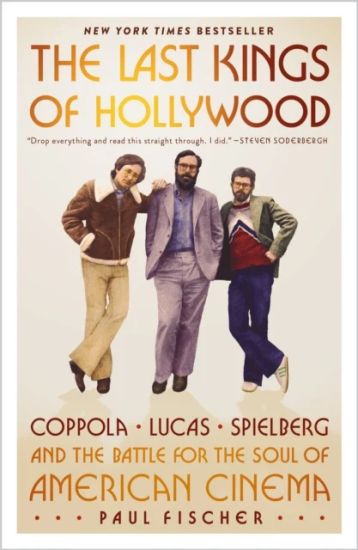
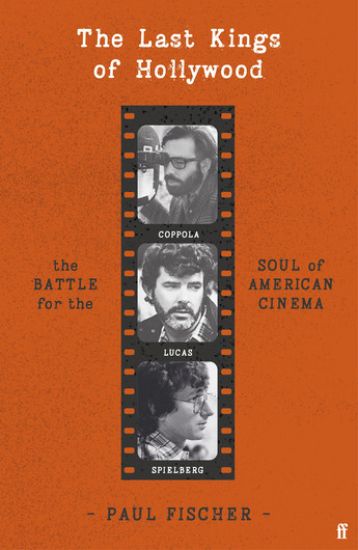
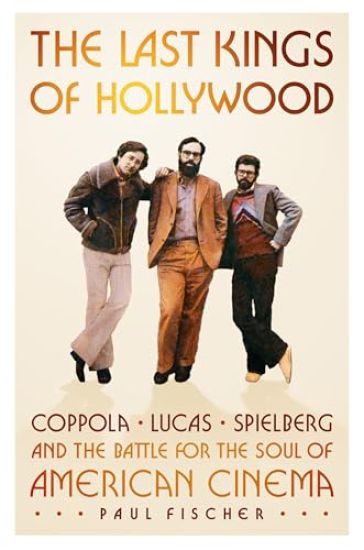
Coppola - The Godfather Spielberg - Jaws Lucas - Star Wars This is story of the most successful group of friends in the history of cinema and how they reshaped it forever. The Last Kings of Hollywood tells the thrilling, dramatic inside story of how the three filmmakers rivalled and supported each other, fell out and reconciled, and struggled to reinvent popular American cinema. Along the way, Coppola directed The Godfather, then the highest-grossing film of all-time, until Spielberg surpassed it with Jaws - whose record Lucas broke with Star Wars, which Spielberg surpassed again with E. T. By the early 1980s, they were the richest, best-known filmmakers in the world, each with an empire of their own. The Last Kings of Hollywood is an unprecedented chronicle of their rise, their dreams and demons, their triumphs and their failures - intimate, extraordinary, and supremely entertaining.
The untold, intimate story of how three young visionaries--Francis Ford Coppola, George Lucas, and Steven Spielberg--revolutionized American cinema, creating the most iconic films in history while risking everything, redefining friendship, and shaping Hollywood as we know it. In the summer of 1967, as the old Hollywood studio system was dying, an intense, uncompromising young film school graduate named George Lucas walked onto the Warner Bros backlot for his first day working as an assistant to another up-and-coming, largely-unknown filmmaker, a boisterous father of two called Francis Ford Coppola. At the exact same time, across town on the Universal Studios lot, a film-obsessed twenty-year-old from a peripatetic Jewish family, Steven Spielberg, longed to break free from his apprenticeship for the struggling studio and become a film director in his own right. Within a year, the three men would become friends. Spielberg, prioritizing security, got his seven-year contract directing television. Lucas and Coppola, hungry for independence, left Hollywood for San Francisco to found an alternative studio, American Zoetrope, and make films without answering to corporate capitalism. Based on extensive research and hundreds of original interviews with the inner circle of these Hollywood icons, The Last Kings of Hollywood tells the thrilling, dramatic inside story of how, over the next fifteen years, the three filmmakers rivalled and supported each other, fell out and reconciled, and struggled to reinvent popular American cinema. Along the way, Coppola directed The Godfather, then the highest-grossing film of all-time, until Spielberg surpassed it with Jaws -- whose record Lucas broke with Star Wars, which Spielberg surpassed again with E. T. By the early 1980s, they were the richest, best-known filmmakers in the world, each with an empire of their own. The Last Kings of Hollywood is an unprecedented chronicle of their rise, their dreams and demons, their triumphs and their failures -- intimate, extraordinary, and supremely entertaining.
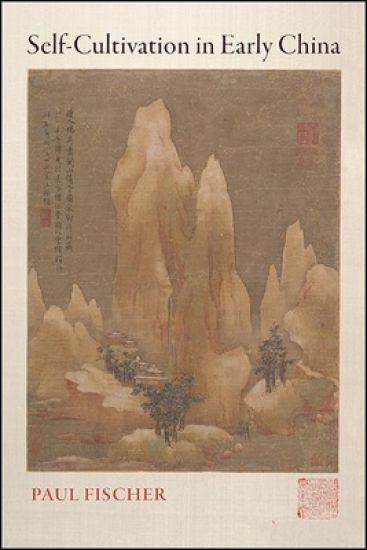
A clear translation and helpful explanations illuminate this ancient classic of self-cultivation for a modern audience. Written more than two thousand years ago, the Laozi, or Daodejing, is a classic of Chinese intellectual history and has been of foundational importance to cultural and religious history throughout East Asia. It is now venerated as a masterpiece of self-cultivation, with a poetic narrative that remains accessible and relevant even today. Paul Fischer's new, annotated translation aims for fidelity to the original text as well as clarity for a modern audience. Fischer's notes and explanations bring out obscure meanings in ancient Chinese wording and rhetoric, elucidate the connections among the eighty-one short chapters, and clarify the coherence of the work as a whole. Carefully considering the various manuscripts that have been archaeologically uncovered in recent decades, as well as the variations among received versions of the Laozi, Fischer's translation discloses the beauty and meaning of the original. This book will benefit students and readers interested in intellectual history as well as those who want to explore what the text has to say about the meaning of life.
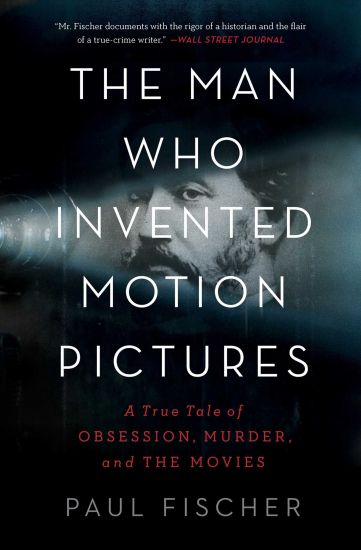
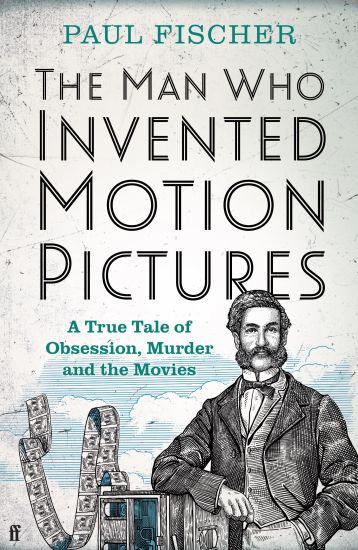
One of the New York Times Best True Crime of 2022 A "spellbinding, thriller-like" (Shelf Awareness) history about the invention of the motion picture and the mysterious, forgotten man behind it--detailing his life, work, disappearance, and legacy. The year is 1888, and Louis Le Prince is finally testing his "taker" or "receiver" device for his family on the front lawn. The device is meant to capture ten to twelve images per second on film, creating a reproduction of reality that can be replayed as many times as desired. In an otherwise separate and detached world, occurrences from one end of the globe could now be viewable with only a few days delay on the other side of the world. No human experience--from the most mundane to the most momentous--would need to be lost to history. In 1890, Le Prince was granted patents in four countries ahead of other inventors who were rushing to accomplish the same task. But just weeks before unveiling his invention to the world, he mysteriously disappeared and was never seen or heard from again. Three and half years later, Thomas Edison, Le Prince's rival, made the device public, claiming to have invented it himself. And the man who had dedicated his life to preserving memories was himself lost to history--until now. The Man Who Invented Motion Pictures pulls back the curtain and presents a "passionate, detailed defense of Louis Le Prince...unfurled with all the cliffhangers and red herrings of a scripted melodrama" (The New York Times Book Review). This "fascinating, informative, skillfully articulated narrative" (Kirkus Reviews, starred review) presents the never-before-told history of the motion picture and sheds light on the unsolved mystery of Le Prince's disappearance.
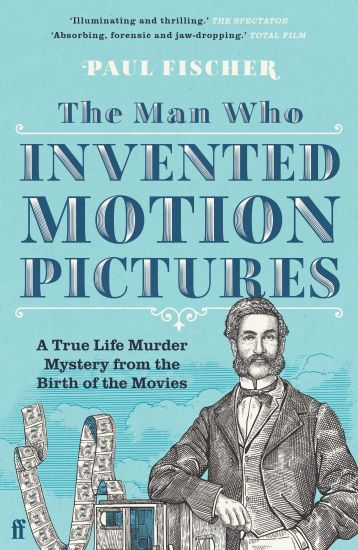
'This extraordinary tale of rivalry and celluloid . . . has fascinated cinéastes for years.' Kathryn Hughes, Sunday Times'Illuminating and thrilling.' The Spectator'Absorbing, forensic and jaw-dropping.' Total FilmIn 1888, Louis Le Prince shot the world's first motion picture in Leeds, England. In 1890, weeks before the planned public unveiling of his camera and projector, Le Prince boarded a train in France - and disappeared without a trace. His body was never found. In 1891, Thomas Edison - inventor of the lightbulb and the phonograph - announced that he had developed a motion-picture camera. Le Prince's family, convinced that Edison had stolen Louis's work, proceeded to sue the most famous inventor in the world. The Man Who Invented Motion Pictures excavates one of the great unsolved mysteries of the Victorian age and offers a revelatory rewriting of the birth of modern pictures.
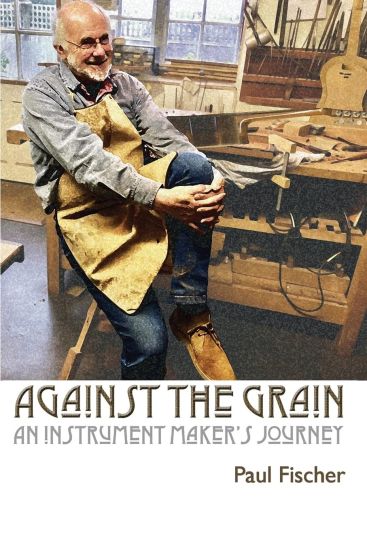
Against the Grain is the autobiography of the classical musical instrument maker Paul Fischer. He trained under renowned instrument maker Robert Goble in his workshops at Headington in Oxfordshire before spending 6 years in the British Army, after which in 1969 he began working with David Rubio making instruments for world-famous musicians including Julian Bream. In addition to guitars, they made harpsichords, spinets, lutes, citterns and instruments for the Early Music instrument revival scene. Paul established his own workshops in the late 1970s and continued to make beautiful instruments for the next forty years. He has made an invaluable contribution to the world of instrument makers promoting the use of new woods as the rainforests of Brazil continue to deplete. His autobiography celebrates his art and his supreme talent.
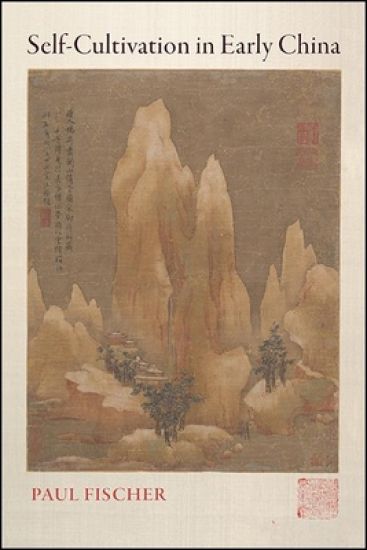
An introduction to ancient Chinese ideas on how to live a good life. Self-Cultivation in Early China is an introduction to multiple aspects of the foundational practice of self-cultivation in early China (c.1000 to 100 BCE). Drawing on the Chinese classics and the dozens of scholars' texts (both received and excavated) that together form the basis of intellectual history for China and all of East Asia, the book's analysis relies on the topics and categories that were central to the thought of these authors, including such well-known thinkers as Confucius and Laozi. This book describes a salient point of view from which we may consider the broader landscape of Chinese intellectual history and presents an important paradigm of the scholarly Chinese worldview that is ideal for comparison with paradigms in other communities, ancient or modern, across the globe.
A Radio 4 Book of the Week.'Fascinating . . . filled with lively historical digressions.' New York Times 'Best True Crime of 2022'In 1888 Louis Le Prince shot the world's first motion picture in Leeds, England. In 1890, weeks before the public unveiling of his camera and projector - a year before Thomas Edison announced that the had invented a motion picture camera - Le Prince stepped on a train in France - and disappeared without a trace. He was never seen or heard from again. No body was ever found. Le Prince's family were convinced Edison had stolen Louis's work, and so they sued the most famous inventor in the world. By the time the lawsuit was over, Le Prince's own son was dead under suspicious circumstances - and modern Hollywood was being born. Paul Fischer's new book excavates one of the Victorian age's great unsolved mysteries, and in the process offers a revelatory rewriting of the birth of motion pictures.
Sind das Ein-Platz-Prinzip und die daraus resultierenden exklusiven Organisationsstrukturen im Sport als gegeben hinzunehmen? - Dieser Frage geht der Autor dieses Bandes nach. Er untersucht das Ein-Platz-Prinzip, das in nahezu jeder Sportart die Verbandsstrukturen von der internationalen bis hin zur regionalen Ebene pragt. Neben der Ein-Platz-Regelung stellt er auch die Teilnahmeverbote der Sportfachverbande auf den Prufstand. Die zentralen Erkenntnisse gewinnt er, indem er den Kerninhalt der Autonomie der Sportfachverbande bestimmt und diesen allein in den fur den Wettkampfsport notwendigen Regelungen sieht." Eine fulminante Entzauberung der Ein-Platz-Regel" - Professor Dr. Dr. h.c. Michael Kubiciel via Twitter