
Kirjojen hintavertailu – 12 903 724 kirjaa ja 27 kauppaa

Kirjailija

Paul G. Harwood

Kirjat ja teokset yhdessä paikassa: 2 kirjaa, julkaisuja vuosilta 2007–2009, suosituimpiin kuuluu Educating the First Digital Generation. Vertaile teosten hintoja ja tarkista saatavuus suomalaisista kirjakaupoista.

2 kirjaa

Kirjojen julkaisuvuodet: 2007–2009.

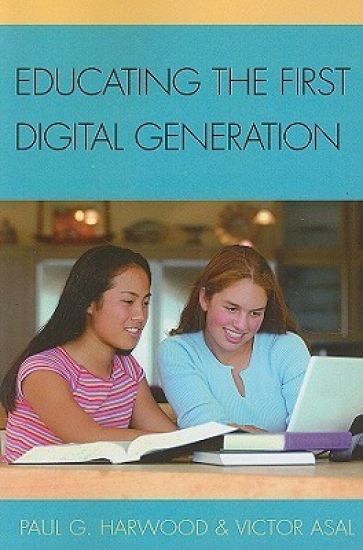
Educating the First Digital Generation

Educating the First Digital Generation

Paul G. Harwood; Victor Asal

Rowman Littlefield Education
2009
nidottu
Asal and Harwood explore how today's information technology is changing how we educate and are educated. Focusing on the United States, with useful insights from the classroom digital revolution in a few other key places (the United Kingdom, Australia, and India), the authors investigate the impact of today's technologies on education — how they impact teachers and teaching, children and learning, and the intersection of teaching and learning. For example, they tell us what the educational impact of having over 60% of America online is. The authors explain exactly how new technologies are changing the learning environment in and out of the classroom with a focus on the effects on K-12 education. Chapters include vignettes about children who are integrating information technologies into their lives at school and at home and those children who for a variety of reasons, most notably, socio-economic, have found themselves excluded as full members of the first digital generation. There are also accounts from K-12 teachers who are incorporating technology into their classroom environments. Using closed-circuit cameras, electronic cheating, and distance learning are all also discussed at length.
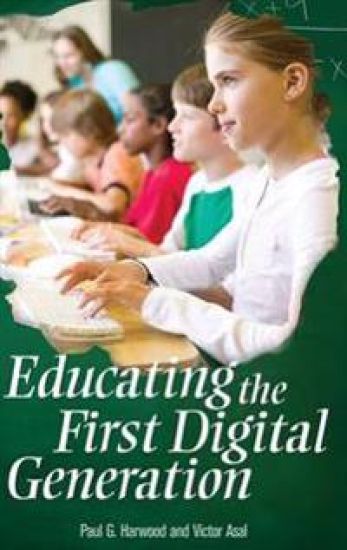
Educating the First Digital Generation

Educating the First Digital Generation

Paul G. Harwood; Victor Asal

Praeger Publishers Inc
2007
sidottu
Asal and Harwood explore how today's information technology is changing how we educate and are educated. Focusing on the United States, with useful insights from the classroom digital revolution in a few other key places (the United Kingdom, Australia, and India), the authors investigate the impact of today's technologies on education — how they impact teachers and teaching, children and learning, and the intersection of teaching and learning. For example, they tell us what the educational impact of having over 60% of America online is. The authors explain exactly how new technologies are changing the learning environment in and out of the classroom with a focus on the effects on K-12 education. Chapters include vignettes about children who are integrating information technologies into their lives at school and at home and those children who for a variety of reasons, most notably, socio-economic, have found themselves excluded as full members of the first digital generation. There are also accounts from K-12 teachers who are incorporating technology into their classroom environments. Using closed-circuit cameras, electronic cheating, and distance learning are all also discussed at length.