Kirjojen hintavertailu – 12 903 724 kirjaa ja 27 kauppaa

Kirjailija

Paul Goring

Kirjat ja teokset yhdessä paikassa: 8 kirjaa, julkaisuja vuosilta 2004–2010, suosituimpiin kuuluu Lives of Shakespearian Actors, Part I, Volume 3. Vertaile teosten hintoja ja tarkista saatavuus suomalaisista kirjakaupoista.

8 kirjaa

Kirjojen julkaisuvuodet: 2004–2010.

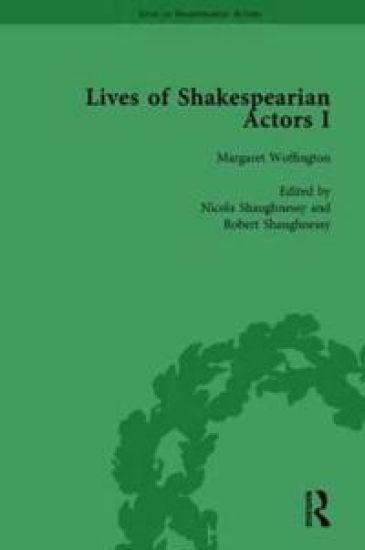
Lives of Shakespearian Actors, Part I, Volume 3

Lives of Shakespearian Actors, Part I, Volume 3

Gail Marshall; Tetsuo Kishi; Michael Caines; Paul Goring; Nicola Shaughnessy

Routledge
2008
sidottu
Focuses on David Garrick and the leading actors of his company at Drury Lane. This book tells how, in their time, Garrick, Macklin and Woffington were as famous for their achievements on the stage as they were infamous for their activities off it. It draws a selection of the actors' own words with those of their contemporaries and critics.
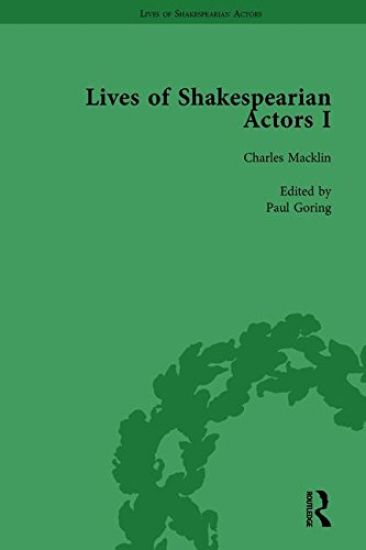
Lives of Shakespearian Actors, Part I, Volume 2

Lives of Shakespearian Actors, Part I, Volume 2

Gail Marshall; Tetsuo Kishi; Michael Caines; Paul Goring; Nicola Shaughnessy

Routledge
2008
sidottu
Focuses on David Garrick and the leading actors of his company at Drury Lane. This book tells how, in their time, Garrick, Macklin and Woffington were as famous for their achievements on the stage as they were infamous for their activities off it. It draws a selection of the actors' own words with those of their contemporaries and critics.
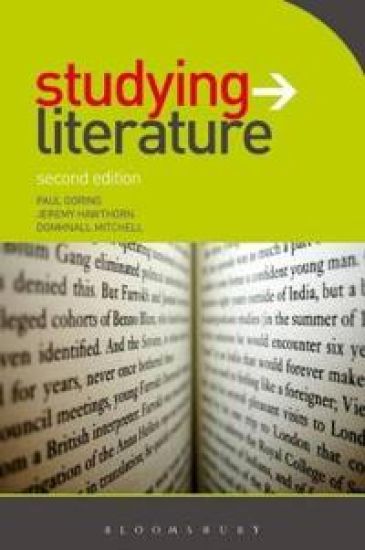
Studying Literature

Studying Literature

Paul Goring; Jeremy Hawthorn; Domhnall Mitchell

Hodder Arnold
2010
nidottu
Studying Literature: The Essential Companion is a unique guide for English undergraduates. It combines practical advice on study skills with key information on literary theories and theorists, offering invaluable support throughout any English degree. 'Excellent introduction to the mechanics of degree-level study of literature - very practical.' - Professor M Moran, Brunel University, UK 'Clearly set out and there is likely to be something for everyone in most of the five sections.' - Writing in Education
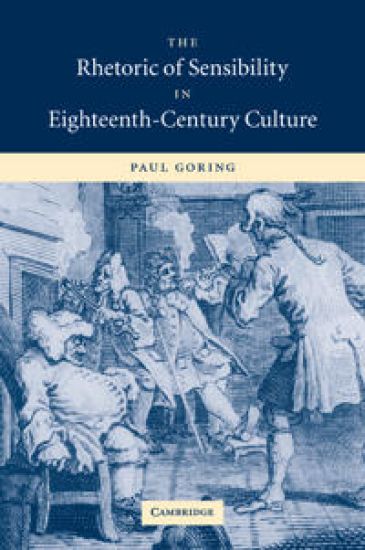
The Rhetoric of Sensibility in Eighteenth-Century Culture
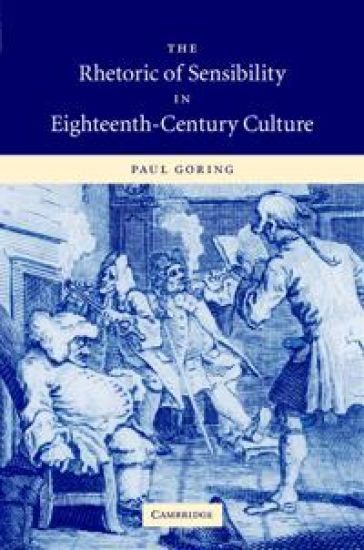
The Rhetoric of Sensibility in Eighteenth-Century Culture explores the burgeoning eighteenth-century fascination with the human body as an eloquent, expressive object. This wide-ranging study examines the role of the body within a number of cultural arenas - particularly oratory, the theatre and the novel - and charts the efforts of projectors and reformers who sought to exploit the textual potential of the body for the public assertion of modern politeness. Paul Goring shows how diverse writers and performers including David Garrick, James Fordyce, Samuel Richardson, Sarah Fielding and Laurence Sterne were involved in the construction of new ideals of physical eloquence - bourgeois, sentimental ideals which stood in contrast to more patrician, classical bodily modes. Through innovative readings of fiction and contemporary manuals on acting and public speaking, Goring reveals the ways in which the human body was treated as an instrument for the display of sensibility and polite values.
Lives of Shakespearian Actors, Part I, Volume 1

Lives of Shakespearian Actors, Part I, Volume 1

Gail Marshall; Tetsuo Kishi; Michael Caines; Paul Goring; Nicola Shaughnessy

Routledge
2008
sidottu
Focuses on David Garrick and the leading actors of his company at Drury Lane. This book tells how, in their time, Garrick, Macklin and Woffington were as famous for their achievements on the stage as they were infamous for their activities off it. It draws a selection of the actors' own words with those of their contemporaries and critics.
Eighteenth-Century Literature and Culture

Eighteenth-Century Literature and Culture

Paul Goring

Continuum International Publishing Group Ltd.
2008
sidottu
This guide to eighteenth-century literature and culture provides students with the ideal introduction to literature and its context from 1688-1789, including: the historical, cultural and intellectual background including the expansion of cultural production and the growth of 'print culture'; major writers, genres and groups; concise explanations of key terms needed to understand the literature and criticism; an overview of key critical approaches; and a chronology mapping historical events and literary works and further reading including websites and electronic resources." Introductions to British Literature and Culture" provide practical guides to key literary periods. Guides in the series help to orientate students as they begin a new module or area of study, providing concise information on the historical, cultural, literary and critical context and acting as an initial map of the knowledge needed to study the literature and culture of a specific period. Each guide includes an overview of the historical period, intellectual contexts, major genres, critical approaches and a guide to original research and resource materials in the area, enabling students to progress confidently to further study.
Eighteenth-Century Literature and Culture

Eighteenth-Century Literature and Culture

Paul Goring

Continuum International Publishing Group Ltd.
2008
nidottu
This guide to eighteenth-century literature and culture provides students with the ideal introduction to literature and its context from 1688-1789, including: the historical, cultural and intellectual background including the expansion of cultural production and the growth of "print culture"; major writers, genres and groups; concise explanations of key terms needed to understand the literature and criticism; an overview of key critical approaches; a chronology mapping historical events and literary works; and a guide to further reading, including websites and electronic resources.
The Rhetoric of Sensibility in Eighteenth-Century Culture
The Rhetoric of Sensibility in Eighteenth-Century Culture explores the burgeoning eighteenth-century fascination with the human body as an eloquent, expressive object. This wide-ranging study examines the role of the body within a number of cultural arenas - particularly oratory, the theatre and the novel - and charts the efforts of projectors and reformers who sought to exploit the textual potential of the body for the public assertion of modern politeness. Paul Goring shows how diverse writers and performers including David Garrick, James Fordyce, Samuel Richardson, Sarah Fielding and Laurence Sterne were involved in the construction of new ideals of physical eloquence - bourgeois, sentimental ideals which stood in contrast to more patrician, classical bodily modes. Through innovative readings of fiction and contemporary manuals on acting and public speaking, Goring reveals the ways in which the human body was treated as an instrument for the display of sensibility and polite values.