

Kirjailija
Paul I. Wellman
Kirjat ja teokset yhdessä paikassa: 9 kirjaa, julkaisuja vuosilta 1982–2013, suosituimpiin kuuluu Death in the Desert. Vertaile teosten hintoja ja tarkista saatavuus suomalaisista kirjakaupoista.
9 kirjaa
Kirjojen julkaisuvuodet: 1982–2013.


Buckskin and Satin: The Life of Texas Jack, J. B. Omohundro
Herschel C. Logan; Paul I. Wellman
Literary Licensing, LLC
2011
nidottu

Buckskin and Satin: The Life of Texas Jack, J. B. Omohundro
Herschel C. Logan; Paul I. Wellman
Literary Licensing, LLC
2011
sidottu
Buckskin and Satin is a biography of J. B. Omohundro, also known as Texas Jack, written by Herschel C. Logan. The book tells the story of Omohundro's life, from his early days as a cowboy and buffalo hunter in Texas to his later career as a performer in Buffalo Bill's Wild West Show. Omohundro was known for his expert marksmanship and his skill with a lasso, as well as his rugged good looks and charismatic personality. The book explores his relationships with other famous figures of the American West, including Wild Bill Hickok and Calamity Jane, and provides a detailed look at the culture and history of the era. Through extensive research and interviews with Omohundro's family and friends, Logan creates a vivid portrait of a man who embodied the spirit of the Wild West. Buckskin and Satin is a fascinating read for anyone interested in the history of the American West, the lives of famous cowboys, or the development of popular entertainment in the late 19th and early 20th centuries. Buckskin Clad Scout, Indian Fighter, Plainsman, Cowboy, Hunter, Guide And Actor, And His Wife Morlacchi, Premier Danseuse In Satin Slippers. This scarce antiquarian book is a facsimile reprint of the old original and may contain some imperfections such as library marks and notations. Because we believe this work is culturally important, we have made it available as part of our commitment for protecting, preserving, and promoting the world's literature in affordable, high quality, modern editions, that are true to their original work.

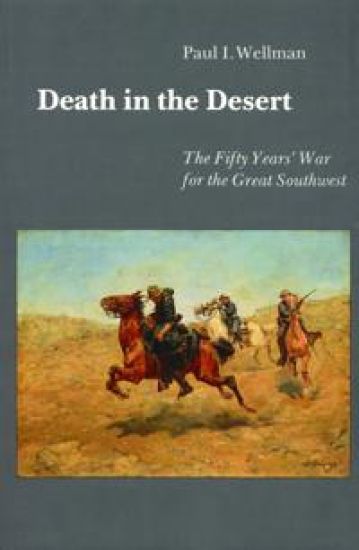
The Apache Indians and the white settlers came face to face after the Mexican War, when the migrations across the continent reached the Southwest. In depicting the long, bitter resistance of the Apaches, Death in the Desert reveals incidents that provoked their undying hatred of whites. This rousing narrative history by Paul I. Wellman begins in 1837 with the rise to tribal leadership of Mangas Coloradas and ends in 1886 with the surrender of Geronimo. For a half century the dust never settles as U. S. troops fight the Apaches in Arizona and New Mexico and defeat the single uprisings of the Navajos and Pueblos. Two chapters describe the Modoc War in northern California from 1871 to 1873.
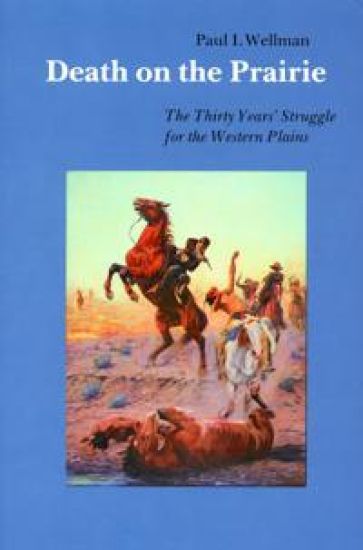
Death on the Prairie is a sweeping narrative history of the Indian wars on the western plains that never loses sight of the individual actors. Beginning with the Minnesota Sioux Uprising in 1862, Paul I. Wellman shifts to conflicts in present-day Wyoming, Montana, Idaho, Oklahoma, the Texas Panhandle, and South Dakota, involving, most spectacularly, the Sioux, but also the Cheyennes, Arapahos, Comanches, Kiowas, Utes, and Nez Perces—all being ezed out of their hunting grounds by white settlers. There is never a quiet page as Wellman describes the Sand Creek Massacre (1864), the Fetterman Massacre (1866), the Battle of the Washita (1868), the Battle of Adobe Walls (1874), the Battle of the Little Big Horn (1876), the Nez Perce War (1877), the Meeker Massacre (1879), and the tragedy at wounded Knee (1890) that ended the fighting on the plains. Celebrated chiefs (Red Cloud, Crazy Horse, Black Kettle, Satanta, Joseph, Ouray, Sitting Bull) clash with army officers (notably Custer, Sheridan, Miles, and Crook), and uncounted men, women, and children on both sides are cast in roles of fatal consequence.
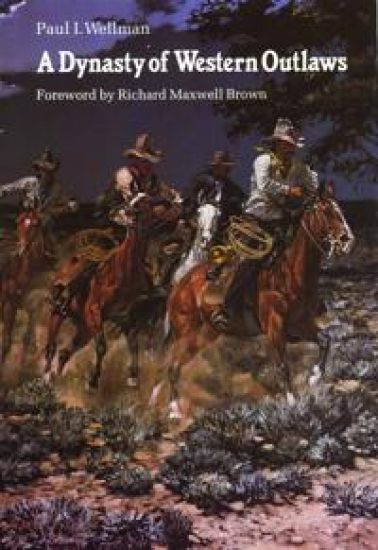
The organized gangs of robbers and killers who roamed the Midwest and Southwest from the 1860s to the 1930s went to the same school and were succored by each other's notoriety. So Paul I. Wellman makes a case for "the contagious nature of crime." William Quantrill and his guerrillas established a criminal tradition that was to link the James, Dalton, Doolin, Jennings, and Cook gangs; Belle and Henry Starr; Pretty Boy Floyd; and others in "a long and crooked train of unbroken personal connections."
In the centuries of war between Indians and whites one episode is surely epical: the flight of the Nez Perce. Provoked by bad treaties and bitter memories, in 1877 a few Nez Perce raided homesteads in Idaho and killed their inhabitants. The raid quickly escalated into a series of skirmishes, and at last involved Chief Joseph and the ablest Nez Perce warriors in a prolonged chase by the army for over a thousand miles through Idaho, Montana, and Wyoming. The band of Nez Perce astonished military experts by their tactical ingenuity, swift maneuvers, daring, and endurance. By the time the chase concluded, barely forty miles from the Canadian border, the Nez Perce had left behind a record of heroic sacrifices, spectacular escapes, and incredible courage.