
Kirjojen hintavertailu – 12 903 724 kirjaa ja 27 kauppaa

Kirjailija

Paul J Cloke

Kirjat ja teokset yhdessä paikassa: 3 kirjaa, julkaisuja vuosilta 1994–2004, suosituimpiin kuuluu Writing the Rural. Vertaile teosten hintoja ja tarkista saatavuus suomalaisista kirjakaupoista.

3 kirjaa

Kirjojen julkaisuvuodet: 1994–2004.

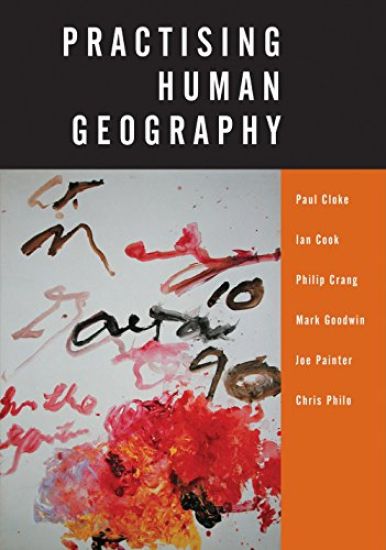
Practising Human Geography

Practising Human Geography

Paul J Cloke; Ian Cook et al; Philip Crang; Mark A Goodwin; Joe Painter; Christopher Philo Philo

SAGE Publications Inc
2004
sidottu
'Filling an enormous gap in the geographic literature, here is a terrific book that shows us how to think about and practice human geographic research' - Professor Jennifer Wolch, University of Southern California `Practising Human Geography lucidly, comprehensively, and sometimes passionately shows why methodology matters, and why it is often so hard. To choose a method is to choose the kind of geographical values one wants to uphold. You need to get it right. These authors do' - Trevor Barnes, University of British Columbia `Practising Human Geography is a godsend for students. Written in an accessible and engaging style, the book demystifies the study of geographical methodology, offering a wealth of practical advice from the authors' own research experience. This is not a manual of approved geographical techniques. It is a reflexive, critical and highly personal account, combining historical depth with up-to-the-minute examples of research in practice. Practising Human Geography is a comprehensive and theoretically informed introduction to the practices of fieldwork, data collection, interpretation and writing, enabling students to make sense of their own data and to develop a critical perspective on the existing literature. The book makes complicated ideas approachable through the effective use of case studies and a firm grasp of contemporary debates' - Peter Jackson, Professor of Human Geography, University of Sheffield Practising Human Geography is a critical introduction to key issues in the practice of human geography, informed by the question 'how do geographers do research?' In examining those methods and practices that are essential to doing geography, the text presents a theoretically-informed discussion of the construction and interpretation of geographical data - including: the use of core research methodologies; using official and non-official sources; and the interpretative role of the researcher. Framed by an overview of how ideas of practising human geography have changed, the twelve chapters offer a comprehensive and integrated overview of research methodologies. The text is illustrated throughout with text boxes, case studies, and definitions of key terms. Practising Human Geography will introduce geographers - from undergraduate to faculty - to the core issues that inform research design and practice.
Practising Human Geography

Practising Human Geography

Paul J Cloke; Ian Cook et al; Philip Crang; Mark A Goodwin; Joe Painter; Christopher Philo Philo

SAGE Publications Inc
2004
nidottu
'Filling an enormous gap in the geographic literature, here is a terrific book that shows us how to think about and practice human geographic research' - Professor Jennifer Wolch, University of Southern California `Practising Human Geography lucidly, comprehensively, and sometimes passionately shows why methodology matters, and why it is often so hard. To choose a method is to choose the kind of geographical values one wants to uphold. You need to get it right. These authors do' - Trevor Barnes, University of British Columbia `Practising Human Geography is a godsend for students. Written in an accessible and engaging style, the book demystifies the study of geographical methodology, offering a wealth of practical advice from the authors' own research experience. This is not a manual of approved geographical techniques. It is a reflexive, critical and highly personal account, combining historical depth with up-to-the-minute examples of research in practice. Practising Human Geography is a comprehensive and theoretically informed introduction to the practices of fieldwork, data collection, interpretation and writing, enabling students to make sense of their own data and to develop a critical perspective on the existing literature. The book makes complicated ideas approachable through the effective use of case studies and a firm grasp of contemporary debates' - Peter Jackson, Professor of Human Geography, University of Sheffield Practising Human Geography is a critical introduction to key issues in the practice of human geography, informed by the question 'how do geographers do research?' In examining those methods and practices that are essential to doing geography, the text presents a theoretically-informed discussion of the construction and interpretation of geographical data - including: the use of core research methodologies; using official and non-official sources; and the interpretative role of the researcher. Framed by an overview of how ideas of practising human geography have changed, the twelve chapters offer a comprehensive and integrated overview of research methodologies. The text is illustrated throughout with text boxes, case studies, and definitions of key terms. Practising Human Geography will introduce geographers - from undergraduate to faculty - to the core issues that inform research design and practice.
Writing the Rural

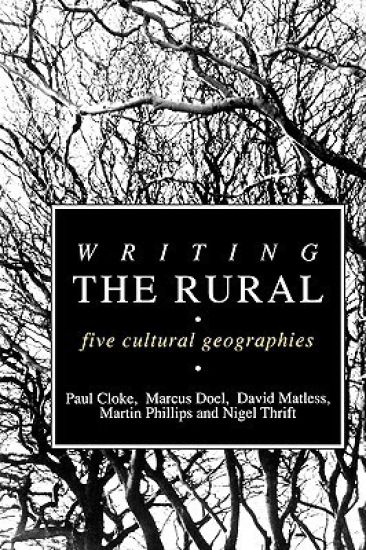
Writing the Rural

Paul J Cloke; Marcus A Doel; David Matless; Nigel Thrift; Martin Phillips

SAGE Publications Ltd
1994
nidottu
This book arises out of an ESRC project devoted to an examination of the economic, social and cultural impacts of the 'service class' on rural areas. The research was an attempt to document these impacts through close empirical work in a set of three rural communities, but something happened on the way. The authors found that the 'rural' became a real sticking point. Respondents used it in different ways - as a bludgeon, as a badge, as a barometer - to signify many different things - security, identity, community, domesticity, gender, sexuality, ethnicity - nearly always by drawing on many different sources - the media, the landscape, friends and kin, animals. It became abundantly clear that the 'rural', whatever chameleon form it took, was a prime and deeply felt determinant of the actions of many respondents. Yet it was also clear that to the authors they possessed no theoretical framework that could allow them to negotiate the 'rural' to deconstruct its diverse nature as a category. Rather each of the extended essays in the book is an attempt by each author to draw out one aspect of the 'rural' by drawing on different traditions in social and cultural theory.