
Kirjojen hintavertailu – 12 903 724 kirjaa ja 27 kauppaa

Kirjailija

Paul K. Huth

Kirjat ja teokset yhdessä paikassa: 4 kirjaa, julkaisuja vuosilta 2003–2014, suosituimpiin kuuluu Peace and Conflict 2014. Vertaile teosten hintoja ja tarkista saatavuus suomalaisista kirjakaupoista.

4 kirjaa

Kirjojen julkaisuvuodet: 2003–2014.

Peace and Conflict 2014

Peace and Conflict 2014

Paul K. Huth; Jonathan Wilkenfeld; David A. Backer

Paradigm
2014
nidottu
Peace and Conflict is a biennial publication that provides cutting-edge data and analysis concerning domestic and international conflicts and corresponding peacebuilding activities. The book include forecasts of risks of political and social instability, as well as trends and patterns in conflict. The 2014 edition focusses on the 'micro level' in the study of conflict and peacebuilding, such as social relationships below the level of the nation-state, with attention to key topics such as ethnicity, climate change, foreign aid and sexual violence. Peace and Conflict is a large-format, full-color resource with numerous graphs, tables, maps, and appendices dedicated to the visual and summary presentation of information. Crisp narratives are highlighted with pull-quote extracts emphasizing major findings.
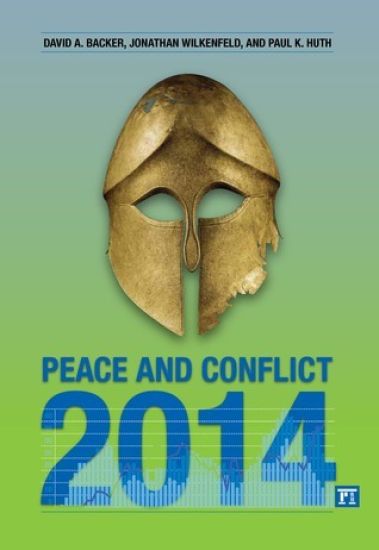
Peace and Conflict 2014

Peace and Conflict 2014

Paul K. Huth; Jonathan Wilkenfeld; David A. Backer

Paradigm
2014
sidottu
Peace and Conflict is a biennial publication that provides cutting-edge data and analysis concerning domestic and international conflicts and corresponding peacebuilding activities. The book include forecasts of risks of political and social instability, as well as trends and patterns in conflict. The 2014 edition focusses on the 'micro level' in the study of conflict and peacebuilding, such as social relationships below the level of the nation-state, with attention to key topics such as ethnicity, climate change, foreign aid and sexual violence. Peace and Conflict is a large-format, full-color resource with numerous graphs, tables, maps, and appendices dedicated to the visual and summary presentation of information. Crisp narratives are highlighted with pull-quote extracts emphasizing major findings.

The Democratic Peace and Territorial Conflict in the Twentieth Century

The Democratic Peace and Territorial Conflict in the Twentieth Century

Paul K. Huth; Todd L. Allee

Cambridge University Press
2003
pokkari

Halvin toimitettuna 58,00 €

This book presents a systematic reassessment of the theoretical and empirical foundations of the democratic peace literature. Three distinct theoretical models of how domestic political institutions shape the foreign policy choices of state leaders are developed and Huth and Allee then test hypotheses from each model against an original data set of 348 territorial disputes from 1919–95. Each territorial dispute is divided into three separate but related phases for empirical analysis: Challenge the Status Quo Stage, Negotiation Stage and Military Escalation Stage. Their statistical results provide strong support for the importance of democratic accountability and norms in shaping decisions to negotiate and settle disputes as well as to threaten force and escalate to war. The findings of this book address central debates and provide many new insights into understanding when and why democratic leaders engage in cooperative or confrontational foreign policies.
The Democratic Peace and Territorial Conflict in the Twentieth Century

The Democratic Peace and Territorial Conflict in the Twentieth Century

Paul K. Huth; Todd L. Allee

Cambridge University Press
2003
sidottu
This book presents a systematic reassessment of the theoretical and empirical foundations of the democratic peace literature. Three distinct theoretical models of how domestic political institutions shape the foreign policy choices of state leaders are developed and Huth and Allee then test hypotheses from each model against an original data set of 348 territorial disputes from 1919–95. Each territorial dispute is divided into three separate but related phases for empirical analysis: Challenge the Status Quo Stage, Negotiation Stage and Military Escalation Stage. Their statistical results provide strong support for the importance of democratic accountability and norms in shaping decisions to negotiate and settle disputes as well as to threaten force and escalate to war. The findings of this book address central debates and provide many insights into understanding when and why democratic leaders engage in cooperative or confrontational foreign policies.