Kirjojen hintavertailu – 12 903 725 kirjaa ja 27 kauppaa

Kirjailija

Paul Oliver

Kirjat ja teokset yhdessä paikassa: 28 kirjaa, julkaisuja vuosilta 1984–2021, suosituimpiin kuuluu Broadcasting the Blues. Vertaile teosten hintoja ja tarkista saatavuus suomalaisista kirjakaupoista.

28 kirjaa

Kirjojen julkaisuvuodet: 1984–2021.

Built to Meet Needs: Cultural Issues in Vernacular Architecture
The study of vernacular architecture explores the characteristics of domestic buildings in particular regions or localities, and the many social and cultural factors that have contributed to their evolution. In this book, vernacular architecture specialist Paul Oliver brings together a wealth of information that spans over two decades, and the whole globe. Some previously unpublished papers, as well as those only available in hard to find conference proceedings, are brought together in one volume to form a fascinating reference for students and professional architects, as well as all those involved with planning housing schemes in their home countries and overseas.
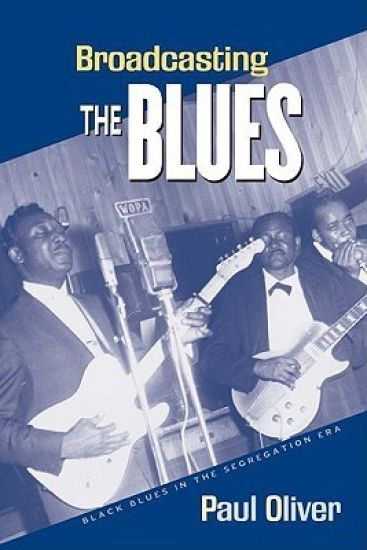
Broadcasting the Blues

Broadcasting the Blues

Paul Oliver

Routledge
2005
sidottu
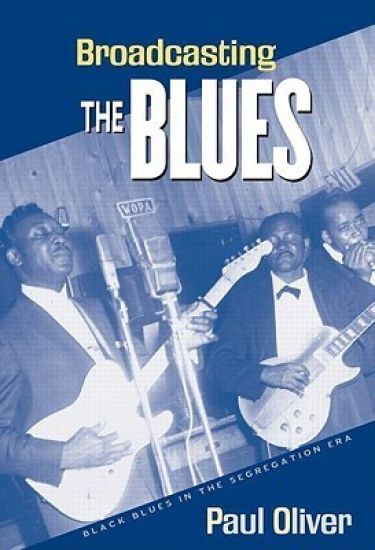
Broadcasting the Blues: Black Blues in the Segregation Era is based on Paul Oliver's award-winning radio broadcasts from the BBC that were created over several decades. It traces the social history of the blues in America, from its birth in the rural South through the heyday of sound recordings. Noted blues scholar Paul Oliver draws on decades of research and personal interviews with performers--some of whom he "discovered" and recorded for the first time--to draw a picture of how the blues aesthetic developed, giving new insights into the role blues played in American society before racial integration. The book begins by outlining the history of the blues from African music through country stomps, ragtime songs, and field hollers. From the heroic figures of black folksong--including the steel-driving railroad worker John Henry and the destructive Boll Weevil--to the content of the emerging blues, the author discusses the "meaning" behind the often coded words of the blues, evoking topics such as playful sexuality, magic and medicine, the stresses of segregation, and commentary on national events. Finally, the author traces the history of blues documentation, showing how our views of the early blues have been shaped through a complex interplay of social forces, and indicating possible lines for future research.
Broadcasting the Blues

Broadcasting the Blues

Paul Oliver

Routledge
2005
nidottu
Broadcasting the Blues: Black Blues in the Segregation Era is based on Paul Oliver's award-winning radio broadcasts from the BBC that were created over several decades. It traces the social history of the blues in America, from its birth in the rural South through the heyday of sound recordings. Noted blues scholar Paul Oliver draws on decades of research and personal interviews with performers--some of whom he "discovered" and recorded for the first time--to draw a picture of how the blues aesthetic developed, giving new insights into the role blues played in American society before racial integration. The book begins by outlining the history of the blues from African music through country stomps, ragtime songs, and field hollers. From the heroic figures of black folksong--including the steel-driving railroad worker John Henry and the destructive Boll Weevil--to the content of the emerging blues, the author discusses the "meaning" behind the often coded words of the blues, evoking topics such as playful sexuality, magic and medicine, the stresses of segregation, and commentary on national events. Finally, the author traces the history of blues documentation, showing how our views of the early blues have been shaped through a complex interplay of social forces, and indicating possible lines for future research.
Yonder Come the Blues

Yonder Come the Blues

Paul Oliver; Tony Russell; Robert M. W. Dixon; Godrich John; Rye Howard

Cambridge University Press
2001
pokkari
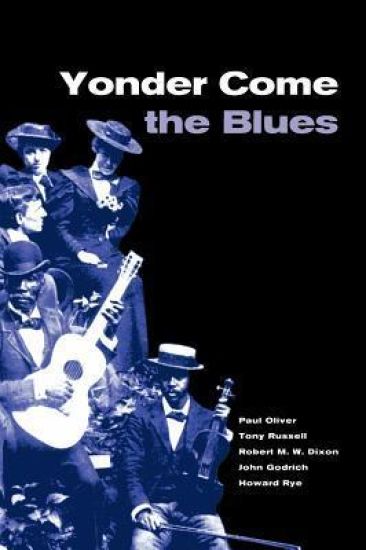
Yonder Come the Blues combines three influential and much-quoted books: Savannah Syncopators; Blacks, Whites and Blues and Recording the Blues. Updated with additional new essays, the book discusses the crucial early development of the blues as a music of Blacks in the United States, explaining some of the most significant factors that shaped this music. Together, these three texts emphasise the significance of the African heritage, the mutuality of much white and black music and the role of recording in consolidating the blues, thus demonstrating the importance of these formative elements in its complex but combined socio-musical history. Redressing some of the misconceptions that persist in writing on African-American music, this book will be essential reading for all enthusiasts of blues, jazz and country music and will be important for students of African-American studies and music, popular music and popular culture.
Yonder Come the Blues

Yonder Come the Blues

Paul Oliver

Cambridge University Press
2001
sidottu
Yonder Come the Blues combines three influential and much-quoted books: Savannah Syncopators; Blacks, Whites and Blues and Recording the Blues. Updated with additional new essays, the book discusses the crucial early development of the blues as a music of Blacks in the United States, explaining some of the most significant factors that shaped this music. Together, these three texts emphasise the significance of the African heritage, the mutuality of much white and black music and the role of recording in consolidating the blues, thus demonstrating the importance of these formative elements in its complex but combined socio-musical history. Redressing some of the misconceptions that persist in writing on African-American music, this book will be essential reading for all enthusiasts of blues, jazz and country music and will be important for students of African-American studies and music, popular music and popular culture.
Screening The Blues

Screening The Blues

Paul Oliver

Da Capo Press Inc
1989
pokkari
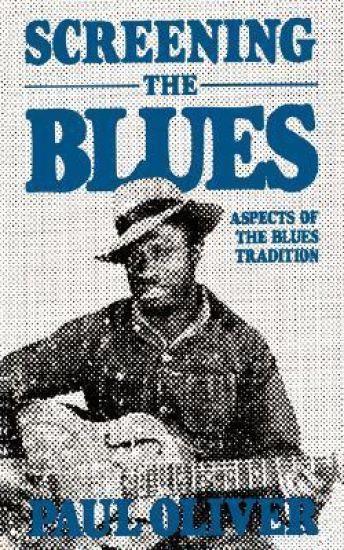
The noted blues scholar Paul Oliver here examines the many different skeins of the blues form, relating them to other black traditions - musical and religious - and tracing the origin of the blues through the dense, many-coloured warp and weft of influences and inspiration. He describes "the dozens," Christmas rituals, and the coded (as well as blatant) sexual imagery that has always been a vital element of every popular song tradition. With extensive source notes, photographs, a discography, and two indexes of song titles and singers, this book serves as a sound, serious, and entertaining guide to the blues heritage that has vitalized so much of the world's musical culture.