Kirjojen hintavertailu – 12 903 724 kirjaa ja 27 kauppaa

Kirjailija

Paul R. Katz

Kirjat ja teokset yhdessä paikassa: 8 kirjaa, julkaisuja vuosilta 1995–2023, suosituimpiin kuuluu Demon Hordes and Burning Boats. Vertaile teosten hintoja ja tarkista saatavuus suomalaisista kirjakaupoista.

8 kirjaa

Kirjojen julkaisuvuodet: 1995–2023.

Religion, Ethnicity, and Gender in Western Hunan during the Modern Era
This book explores how beliefs and practices have shaped the interactions between different ethnic groups in Western Hunan, as well as considering how religious life has adapted to the challenges of modern Chinese history. Combining historical and ethnographic methodologies, chapters in this book are structured around changes that occurred during the interaction between Miao ritual traditions and religions such as Daoism, with particular focus on the commonalities and differences seen between Western Hunan and other areas of Southwest China. In addition, investigation is made into how gender and ethnicity have shaped such processes, and what these phenomena can teach about larger questions of modern Chinese history. As such, this study transcends existing scholarship on Western Hunan – which has stressed the impact of state policies and elite agendas – by focusing instead on the roles played by ritual specialists. Such findings call into question conventional wisdom about the ‘standardization’ of Chinese culture, as well as the integration of local society into the state by means of written texts. Religion, Ethnicity, and Gender in Western Hunan during the Modern Era will prove valuable to students and scholars of history, ethnography, anthropology, ethnic studies, and Asian studies more broadly.
Religion, Ethnicity, and Gender in Western Hunan during the Modern Era
This book explores how beliefs and practices have shaped the interactions between different ethnic groups in Western Hunan, as well as considering how religious life has adapted to the challenges of modern Chinese history. Combining historical and ethnographic methodologies, chapters in this book are structured around changes that occurred during the interaction between Miao ritual traditions and religions such as Daoism, with particular focus on the commonalities and differences seen between Western Hunan and other areas of Southwest China. In addition, investigation is made into how gender and ethnicity have shaped such processes, and what these phenomena can teach about larger questions of modern Chinese history. As such, this study transcends existing scholarship on Western Hunan – which has stressed the impact of state policies and elite agendas – by focusing instead on the roles played by ritual specialists. Such findings call into question conventional wisdom about the ‘standardization’ of Chinese culture, as well as the integration of local society into the state by means of written texts. Religion, Ethnicity, and Gender in Western Hunan during the Modern Era will prove valuable to students and scholars of history, ethnography, anthropology, ethnic studies, and Asian studies more broadly.
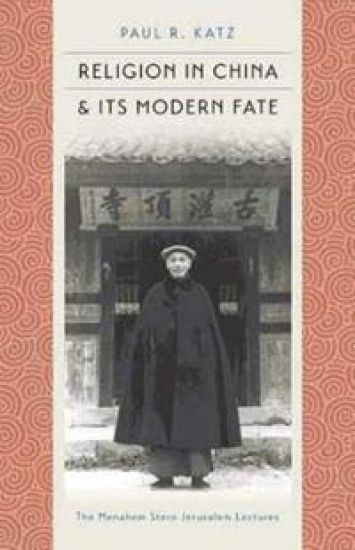
Religion in China and Its Modern Fate

Religion in China and Its Modern Fate

Paul R. Katz

Brandeis University Press
2014
nidottu
Paul R. Katz has composed a fascinating account of the fate of Chinese religions during the modern era by assessing mutations of communal religious life, innovative forms of religious publishing, and the religious practices of modern Chinese elites traditionally considered models of secular modernity. The author offers a rare look at the monumental changes that have affected modern Chinese religions, from the first all-out assault on them during the 1898 reforms to the eve of the Communist takeover of the mainland. Tracing the ways in which the vast religious resources (texts, expertise, symbolic capital, material wealth, etc.) that circulated throughout Chinese society during the late imperial period were reconfigured during this later era, Katz sheds new light on modern Chinese religious life and the understudied nexus between religion and modern political culture. Religion in China and Its Modern Fate will appeal to a broad audience of religionists and historians of modern China.
Divine Justice

Divine Justice

Paul R. Katz

Routledge
2009
nidottu
This book considers the ways in which religious beliefs and practices have contributed to the formation of Chinese legal culture. It does so by describing two forms of overlap between religion and the law: the ideology of justice and the performance of judicial rituals. One of the most important conceptual underpinnings of the Chinese ideology of justice is the belief in the inevitability of retribution. Similar values permeate Chinese religious traditions, all of which contend that justice will prevail despite corruption and incompetence among judicial officials in this world and even the underworld, with all wrongdoers eventually suffering some form of punishment. The second form of overlap between religion and the law may be found in the realm of practice, and involves instances when men and women perform judicial rituals like oaths, chicken-beheadings, and underworld indictments in order to enhance the legitimacy of their positions, deal with cases of perceived injustice, and resolve disputes. These rites coexist with other forms of legal practice, including private mediation and the courts, comprising a wide-ranging spectrum of practicesDivine Justice will be of enormous interest to scholars of the Chinese legal system and the development of Chinese culture and society more generally.
Divine Justice

Divine Justice

Paul R. Katz

Routledge
2008
sidottu
This book considers the ways in which religious beliefs and practices have contributed to the formation of Chinese legal culture. It does so by describing two forms of overlap between religion and the law: the ideology of justice and the performance of judicial rituals. One of the most important conceptual underpinnings of the Chinese ideology of justice is the belief in the inevitability of retribution. Similar values permeate Chinese religious traditions, all of which contend that justice will prevail despite corruption and incompetence among judicial officials in this world and even the underworld, with all wrongdoers eventually suffering some form of punishment. The second form of overlap between religion and the law may be found in the realm of practice, and involves instances when men and women perform judicial rituals like oaths, chicken-beheadings, and underworld indictments in order to enhance the legitimacy of their positions, deal with cases of perceived injustice, and resolve disputes. These rites coexist with other forms of legal practice, including private mediation and the courts, comprising a wide-ranging spectrum of practicesDivine Justice will be of enormous interest to scholars of the Chinese legal system and the development of Chinese culture and society more generally.
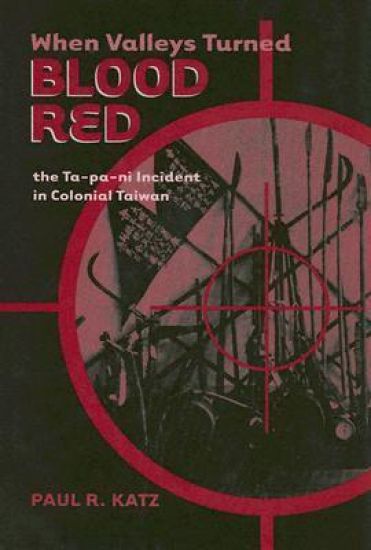
When Valleys Turned Blood Red

When Valleys Turned Blood Red

Paul R. Katz

University of Hawai'i Press
2005
sidottu
When Valleys Turned Blood Red tells the story of colonial policies and their tragic impact on local communities. The Ta-pa-ni Incident was the largest single act of Han Chinese armed resistance during the fifty years of Taiwan's colonial era. More than a thousand villagers and Japanese were killed during the fierce fighting and thousands more were later arrested and made to stand trial. Based on detailed archival research, interviews with survivors, painstaking demographic analysis, and a thorough reading of secondary scholarship in all of the relevant languages, Paul Katz examines the significance of the Ta-pa-ni Incident by focusing on what Paul Cohen terms history's ""three keys"": event, experience, and myth. Katz provides a vivid description of events surrounding the uprising as well as the ways in which it has been mythologized over time. His primary emphasis, however, is on the experiences of the men and women who were caught up in the flow of history.
Demon Hordes and Burning Boats

Demon Hordes and Burning Boats

Paul R. Katz

State University of New York Press
1995
pokkari
Provides a lively description of how the cult of a popular plague-fighting deity named Marshal Wen arose and spread in late imperial China. One of the few full-length regional studies of popular religion in late imperial China, this book presents the history of the cult of Marshal Wen, a plague-fighting deity whose cult flourished through Chekiang and its neighboring provinces. The author provides a lively account of the rise of Wen's cult during the tumultuous years of the Southern Sung dynasty, as well as its spread during subsequent dynasties. In exploring the roles played by scholar-officials, merchants, and Taoist priests in the growth of Wen's cult, the author pays special attention to the various representations of this deity held by different social groups, and shows that these were constantly interacting in a process he calls "reverberation." His analysis of plague expulsion festivals featuring Marshal Wen reveals that they functioned as rites of affliction designed to both achieve communal purification and resolve social crises. This book draws on a wide variety of sources, including Taoist scriptures and liturgical texts, stele inscriptions, literati writings (including poetry), manuscripts from local archives, as well as popular novels and folktales. The author also supplements his historical research with data gathered during fieldwork in Chekiang and Taiwan