Kirjojen hintavertailu – 12 859 819 kirjaa ja 27 kauppaa

Kirjailija

Paul S. Atkins

Kirjat ja teokset yhdessä paikassa: 3 kirjaa, julkaisuja vuosilta 2006–2017, suosituimpiin kuuluu Japanese Plays. Vertaile teosten hintoja ja tarkista saatavuus suomalaisista kirjakaupoista.

3 kirjaa

Kirjojen julkaisuvuodet: 2006–2017.

Teika

Teika

Paul S. Atkins

University of Hawai'i Press
2017
sidottu
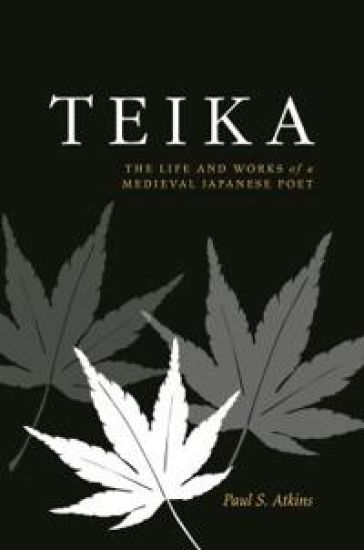
Fujiwara no Teika (1162–1241) was born into an illustrious lineage of poets just as Japan’s ancien régime was ceding authority to a new political order dominated by military power. Overcoming personal and political setbacks, Teika and his allies championed a new style of poetry that managed to innovate conceptually and linguistically within the narrow confines of the waka tradition and the limits of its thirty-one syllable form. Backed by powerful patrons, Teika emerged finally as the supreme arbiter of poetry in his time, serving as co-compiler of the eighth imperial anthology of waka, Shin Kokinshu (ca. 1210) and as solo compiler of the ninth. This first book-length study of Teika in English covers the most important and intriguing aspects of Teika’s achievements and career, seeking the reasons behind Teika’s fame and offering distinctive arguments about his oeuvre. A documentary biography sets the stage with valuable context about his fascinating life and times, followed by an exploration of his “Bodhidharma style,” as Teika’s critics pejoratively termed the new style of poetry. His beliefs about poetry are systematically elaborated through a thorough overview of his writing about waka. Teika’s understanding of classical Chinese history, literature, and language is the focus of a separate chapter that examines the selective use of kana, the Japanese phonetic syllabary, in Teika’s diary, which was written mainly in kanbun, a Japanese version of classical Chinese. The final chapter surveys the reception history of Teika’s biography and literary works, from his own time into the modern period. Sometimes venerated as demigod of poetry, other times denigrated as an arrogant, inscrutable poet, Teika seldom inspired lukewarm reactions in his readers. Courtier, waka poet, compiler, copyist, editor, diarist, and critic, Teika is recognized today as one of the most influential poets in the history of Japanese literature. His oeuvre includes over four thousand waka poems, his diary, Meigetsuki, which he kept for over fifty years, and a fictional tale set in Tang-dynasty China. Over fifteen years in the making, Teika is essential reading for anyone interested in Japanese poetry, the history of Japan, and traditional Japanese culture.
Japanese Plays

Japanese Plays

A. L. Sadler; Paul S. Atkins

Tuttle Publishing
2010
nidottu
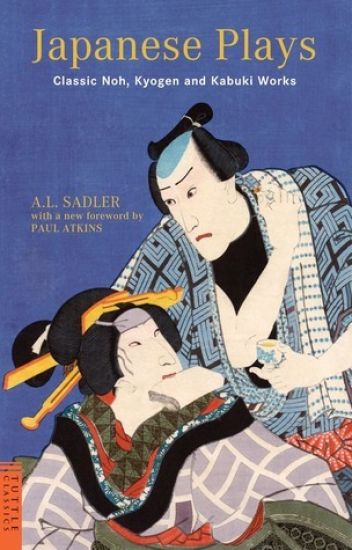
Classic works from Noh, Kyogen, and Kabuki theaters Nothing reflects the beauty of life as much as Japanese theater. It is here that reality is held suspended and the mind is filled with words, music, dance, and mysticism. In this groundbreaking book, Professor A. L. Sadler's translations come alive, bringing the mysteries of Noh, Kyogen, and Kabuki to modern readers worldwide. This influential classic provides a cross-section of Japanese theater that gives the reader a sampler of its beauty and power. Sadler includes 40 plays spanning the following three genres: Noh—As the oldest form of Japanese drama, Noh is remarkable for its unique staging. It has a powerful ability to create a world that represents the iconic attributes that the Japanese hold in the highest esteem: family, patriotism, and honor. Kyogen—Kyogen plays provide comic relief and typically center around the inversion of social hierarchies. Oftentimes, they are performed between the serious and stoic Noh plays. Similarly, Sadler's translated Kyogen pieces are layered between the Noh and the Kabuki plays in this book. Kabuki — The Kabuki plays were the theater of the common people of Japan and are characterized by visual spectacle. The course of time has given them the patina of folk art, making them precious cultural relics of Japan. Sadler selected these pieces for translation because of their lighter subject matter and relatively upbeat endings. These plays are more linear in their telling and pedestrian in the lessons learned, and show the difficulties of being in love when a society is bent on conformity and paternal rule. The end result found in Japanese Plays is a wonderful selection of classic Japanese dramatic literature sure to enlighten and delight.
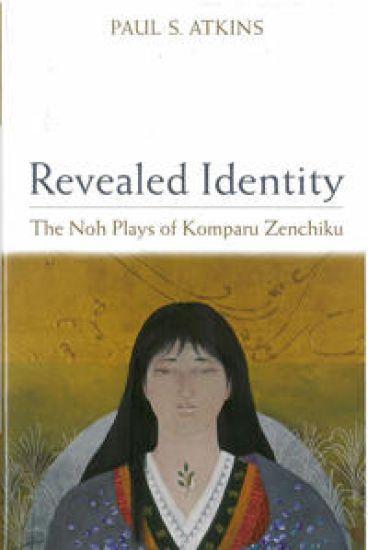
Revealed Identity

Revealed Identity

Paul S. Atkins

Center for Japanese Studies, University of Michigan
2006
sidottu
A renowned performer in his own time, Komparu Zenchiku was rediscovered in the modern period as the author of numerous treatises on his art, which he studied under the tutelage of his father-in-law, Zeami Motokiyo (1363–1443). Even more recently, Zenchiku has begun to receive the attention he deserves as a major playwright in the Japanese dramatic tradition. Revealed Identity begins with an introduction on the cultural, philosophical, and sociopolitical contexts in which fourteen fascinating plays that have been attributed to Zenchiku were produced. The plays are then grouped into five thematic clusters: the relationship between humans and the nonsentient world, transgression and the suppression or subjugation of the demonic, divinity and its intersection with landscape and the abject, the figuration of female characters as “women who wait,” and delusion and ambiguity in works based on the classic Tale of Genji. The entire study is organized around a concept called “revealed identity,” which is defined as a relentless nondualism coupled with a sense of drama as an opportunity to reveal the true nature of a character, rather than illustrating a transformation of that nature. In this regard, Zenchiku’s attitude toward noh diverges from that of his contemporaries and challenges the classic Western view of drama that defines it in terms of conflict and action.