

Kirjailija
Paul Scott Wilson
Kirjat ja teokset yhdessä paikassa: 18 kirjaa, julkaisuja vuosilta 1988–2024, suosituimpiin kuuluu Getting to God. Vertaile teosten hintoja ja tarkista saatavuus suomalaisista kirjakaupoista.
18 kirjaa
Kirjojen julkaisuvuodet: 1988–2024.

This book challenges Christian communities to engage in lament--a mode of existence characterized by impassioned expression, witnessing, and personal or social protest in the face of evil and injustice, reflecting a profound yearning for God's saving presence. Divine lament responds to, and expresses solidarity with, human suffering, unveiling multiple facets of God's image and demonstrating a profound sense of divine compassion. Drawing on the Book of Lamentations, Korean concepts related to suffering (han and hanpuri), the Paschal Triduum narratives, and recent homiletic discourses on suffering, the author investigates how complex issues related to grief and hope can be addressed in preaching without diminishing the harsh reality of affliction. Designed to assist preachers, this book encourages a more intentional approach to addressing suffering, specifically by advocating for lament as a transitional space between affliction and hope. Furthermore, readers are invited to contemplate the significance of the church, which, within a world in decline, embodies the body of Christ, manifesting both the demise and resurrection of God.
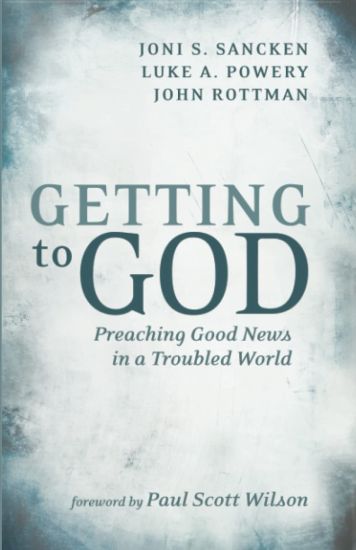
Getting to God
Joni S Sancken; Luke A Powery; John Rottman; Paul Scott Wilson
Cascade Books
2023
pokkari
During times of deep trouble, God generates new and creative ways to break through the fear and pain to get to us even as we seek to get to God. Recent crises are unparalleled and world-changing. Life is a terminal condition. What we say on Sunday morning matters. Nothing is more important than communicating the power and presence of the living God, who for us and our broken dying world is strength, hope, healing, and salvation. And yet, the age-old challenge of how to name God in our world looms large. Amidst the immense challenges of preaching today, three preachers and teachers of preaching show a way forward by walking readers through a sermon-creation process for specific challenging circumstances that gets to God. This book demonstrates how preachers can proclaim God's grace in our world today by building on the theological grammar and preaching method proposed by Paul Scott Wilson. Sancken, Powery, and Rottman lead by example, showing preachers how to contextualize a theologically rich approach to preaching, expand the horizon of ministry, and equip preachers with a vital practice, that of learning to look for and name God's active presence in our world.
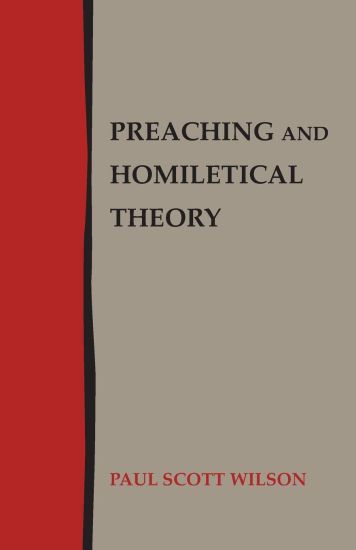
Preaching and Homiletical Theory looks at what is new in homiletical theory that can enhance preaching, how preaching can enliven homiletical theory, and how this interdisciplinary conversation can strengthen the practice of ministry.
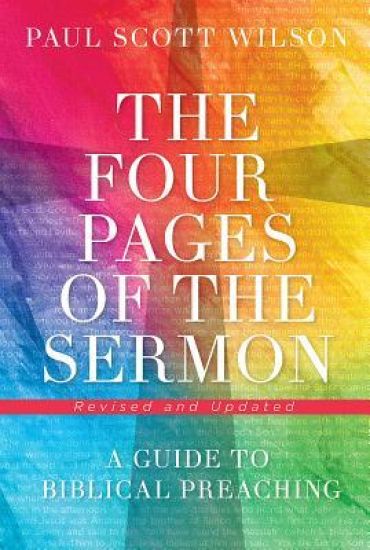
Doing justice to the complexity of the preaching task and the questions that underlie it, author Paul Scott Wilson organizes both the preparation and the content of the sermon around its "four pages." Each "page" addresses a different theological and creative component of what happens in any sermon. Page One presents the trouble or conflict that takes place in or that underscores the biblical text itself. Page Two looks at similar conflict--sin or brokenness--in our own time. Page Three returns to the Bible to identify where God is at work in or behind the text--in other words, to discover the good news. Page Four points to God at work in our world, particularly in relation to the situations described in Page Two. This approach is about preaching the gospel in nearly any sermonic form. Wilson teaches the 'what', 'why', and 'how' of sermon construction, all rooted in a theology of the Word. This completely revised edition guides readers through the sermon process step by step, with the aim of composing sermons that challenge and provide hope, by focusing on God more closely than on humans. It has been largely rewritten to include an assessment of where preaching is today in light of propositional preaching, the New Homiletic, African American preaching, the effect of the internet, and use of technology. A chapter on exegesis has been added, plus new focus on the importance of preaching to a felt need, the need for proclamation in addition to teaching, and developing tools to ensure sermon excellence. New sermon examples have been added along with a section that responds to critics and looks to the future.
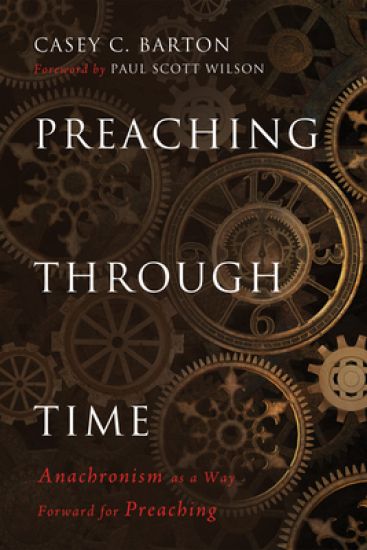
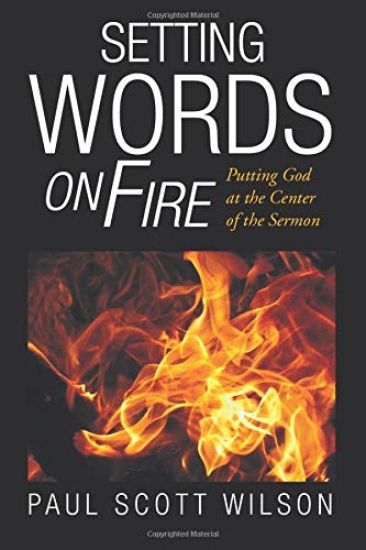
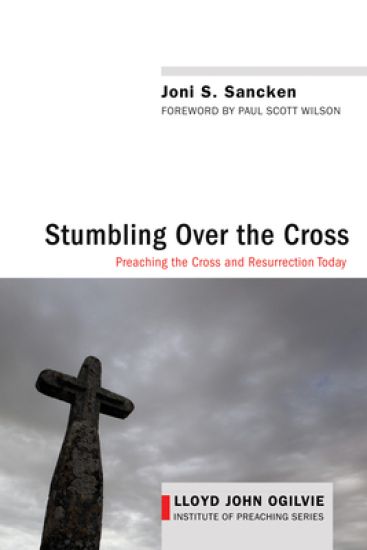
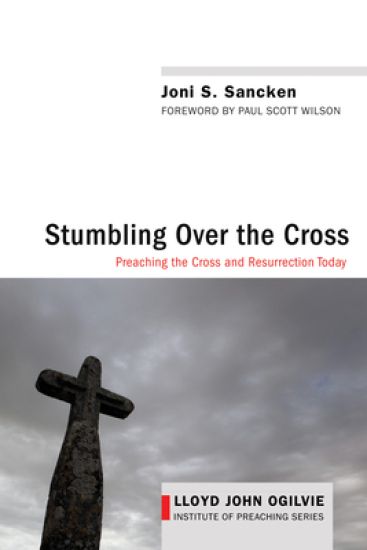
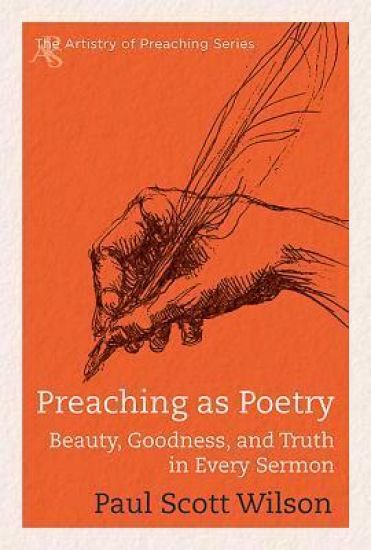
It is tempting for preachers in this digital age of plurality and diversity to offer quick sound bites and PowerPoint-style presentations. These tend to invite a yes or no response, as in mathematical equations. But if we are to reach Christians across the theological spectrumandinvite non-Christians to seriously consider our faith, we must take a different approach. What is needed is greater attention to poetry and images meant to communicate the beauty of the faith and the wonder and mystery of God in everyday life. We must communicate the unity of our message of faith, the divine as truth, and justice and healing as expressions of God. Preaching as poetry (theopoetic preaching) allows for the bold imagery of scripture and the gentle invitation of art. Sermons can no longer always be neatly tied up, perfectly linear, with complete answers to every question. InPreaching as PoetryPaul Scott Wilson teaches why this new approach is necessary today, and demonstrates with multiple examples how it works in real sermons. He skillfully guides the reader to incorporate the classical values of beauty, goodness and truth in every sermon, and in ways that connect with congregants and listeners today.
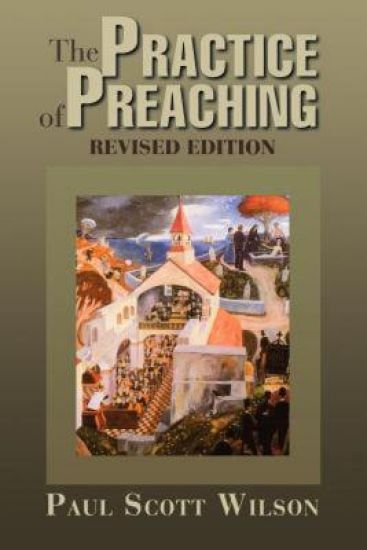
Paul Wilson's "The Practice of Preaching" has introduced a generation of students not only to the "how" of preaching, but also to the"why." In this thoroughly revised edition, Wilson has strengthened this essential textbook even more, principally in two ways. First, he has further emphasized the role of practices in preaching, leading the reader through the preacher's week as she or he constructs and prepares to deliver the sermon. Second, he has surveyed the current debate in homiletics over what preaching the text means, and constructed a far-reaching theological argument that the sermon's most central task should be about preaching the gospel.
Throughout the modern period, history has been the dominant lens through which preachers have viewed the biblical text. The historical-critical method--with its emphasis on the context of a scriptural text's origins--has been the principal, or sole, tool with which preachers have approached the question of the text's meaning. Preachers have been in danger of losing the Bible as revelation and with that losing the rich varieties of God-centered meanings that our ancient forebears understood were the purpose of Scripture. They devised multiple 'lenses' through which the preacher was enabled to study Scripture, seeking to find there the Spirit's word to the congregation. Paul Wilson draws on the practice of patristic and medieval exegesis to inform the contemporary preacher's encounter with Scripture. He begins by examining what earlier exegetes meant by the 'literal' meaning, which, at its core, centered on the theological message that the text was intended to convey about the gospel. He then demonstrates how a critical and informed understanding of the 'spiritual' meanings of the text, rather than importing meaning into the text as is often claimed, opens new possibilities for a faithful proclamation of the biblical witness.
Doing justice to the complexity of the preaching task and the questions that underlie it, Wilson organizes both the preparation and the content of the sermon around its "four pages." Each "page" addresses a different theological and creative component of what happens in any sermon. Page One presents the trouble or conflict that takes place in or that underscores the biblical text itself. Page Two looks at similar conflict--sin or brokenness--in our own time. Page Three returns to the Bible to identify where God is at work in or behind the text--in other words, to discover the good news. Page Four points to God at work in our world, particularly in relation to the situations described in Page Two.
From the apostle Paul, Origen, and Chrysostom through Aquinas, Luther, Calvin, and Wesley to Harry Emerson Fosdick, James S. Stewart, and Martin Luther King, Jr., this volume traces the history of preaching by focusing on the work of 20 key Christian preachers. Wilson analyzes how preachers through history have structured their sermons and shows how preaching today embodies the theological ideas of an era.
This guide to contemporary preaching focuses on exciting and innovative ideas that have recently emerged. Wilson demonstrates with clarity and detail how Scripture and personal experience can be used to train the imagination, thus strengthening and enlivening the task of preaching.