Kirjojen hintavertailu – 12 859 829 kirjaa ja 27 kauppaa
Kirjailija
Paul Standish
Kirjat ja teokset yhdessä paikassa: 7 kirjaa, julkaisuja vuosilta 1998–2017, suosituimpiin kuuluu The Universities We Need. Vertaile teosten hintoja ja tarkista saatavuus suomalaisista kirjakaupoista.
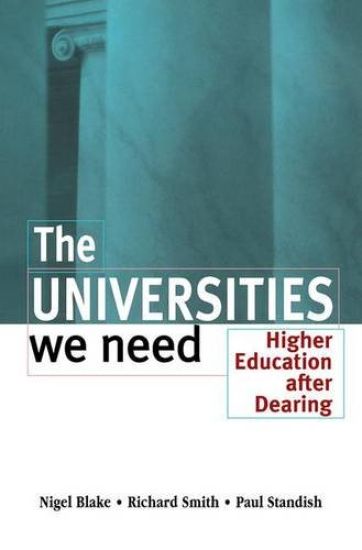
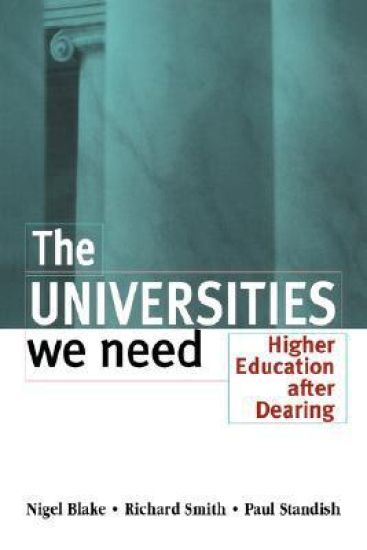
This work challenges some of the assumptions behind recent thinking on lifelong learning and discusses the idea of the learning society through a reappraisal of the relationship between the university and the community. It reconsiders the demand for efficiency, effectiveness and accountability.
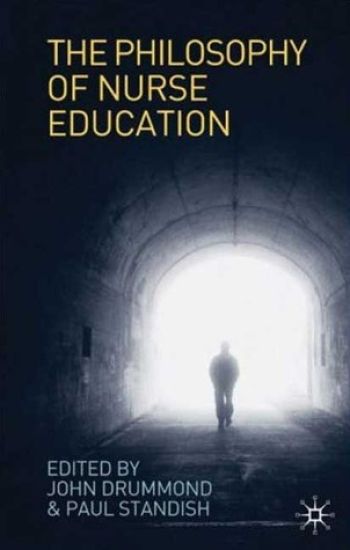
In recent years, philosophical issues in nursing and health care have become more evident in the academic literature. The Philosophy of Nurse Education covers a variety of philosophical perspectives and enhances ideas of learning, teaching and curriculum design.
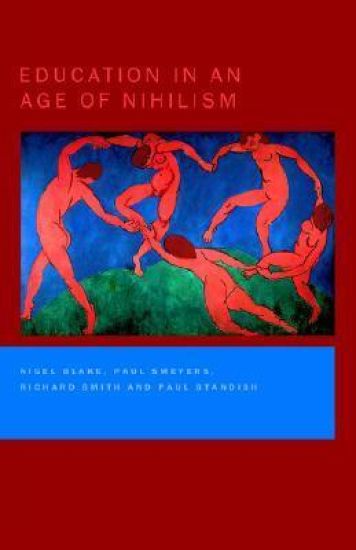
This book addresses concerns about educational and moral standards in a world increasingly characterised by nihilism. On the one hand there is widespread anxiety that standards are falling; on the other, new machinery of accountability and inspection to show that they are not. The authors in this book state that we cannot avoid nihilism if we are simply laissez-faire about values, neither can we reduce them to standards of performance, nor must we return to traditional values. They state that we need to create a new set of values based on a critical assessment of contemporary practice in the light of a number of philosophical texts that address the question of nihilism, including the work of Nietzsche.
This book addresses concerns about educational and moral standards in a world increasingly characterised by nihilism. On the one hand there is widespread anxiety that standards are falling; on the other, new machinery of accountability and inspection to show that they are not. The authors in this book state that we cannot avoid nihilism if we are simply laissez-faire about values, neither can we reduce them to standards of performance, nor must we return to traditional values. They state that we need to create a new set of values based on a critical assessment of contemporary practice in the light of a number of philosophical texts that address the question of nihilism, including the work of Nietzsche.
This work challenges some of the assumptions behind recent thinking on lifelong learning and discusses the idea of the learning society through a reappraisal of the relationship between the university and the community. It reconsiders the demand for efficiency, effectiveness and accountability.
The 'postmodern condition,' in which instrumentalism usurps all other considerations, has produced a kind of intellectual paralysis in the world of education. It is difficult to take issue with such shibboleths of our time as 'standards', 'effectiveness' or 'quality', or the transmission of a nation's 'heritage', yet many people sense that important values are being lost as the education systems of the developed world increasingly devote themselves to managerialism and 'performativity', the quest for efficiency and effectiveness that can be quantified. This book shows how a sustained and telling critique of current educational policy and practice can be developed from the writings of such postmodern thinkers as Lyotard, Derrida, Foucault, and Lacan. These thinkers show us new directions, making what has become over-familiar in education seem strange, and they shake us out of established ways of thinking and writing. The book reveals how very different certain aspects of education—for instance, literacy, moral education (in the home as well as the school), curriculum policy and planning—look in the light of these ideas. The book makes many of the central ideas of postmodern theory accessible by demonstrating their relevance to familiar aspects of the practice of education.
The 'postmodern condition,' in which instrumentalism usurps all other considerations, has produced a kind of intellectual paralysis in the world of education. It is difficult to take issue with such shibboleths of our time as 'standards', 'effectiveness' or 'quality', or the transmission of a nation's 'heritage', yet many people sense that important values are being lost as the education systems of the developed world increasingly devote themselves to managerialism and 'performativity', the quest for efficiency and effectiveness that can be quantified. This book shows how a sustained and telling critique of current educational policy and practice can be developed from the writings of such postmodern thinkers as Lyotard, Derrida, Foucault, and Lacan. These thinkers show us new directions, making what has become over-familiar in education seem strange, and they shake us out of established ways of thinking and writing. The book reveals how very different certain aspects of education—for instance, literacy, moral education (in the home as well as the school), curriculum policy and planning—look in the light of these ideas. The book makes many of the central ideas of postmodern theory accessible by demonstrating their relevance to familiar aspects of the practice of education.