Kirjojen hintavertailu – 12 859 829 kirjaa ja 27 kauppaa

Kirjailija

Paula Findlen

Kirjat ja teokset yhdessä paikassa: 3 kirjaa, julkaisuja vuosilta 1996–2021, suosituimpiin kuuluu Letters on Natural Philosophy – The Scientific Correspondence of a Sixteenth–Century Pharmacist, with Related Texts. Vertaile teosten hintoja ja tarkista saatavuus suomalaisista kirjakaupoista.

3 kirjaa

Kirjojen julkaisuvuodet: 1996–2021.

Letters on Natural Philosophy – The Scientific Correspondence of a Sixteenth–Century Pharmacist, with Related Texts
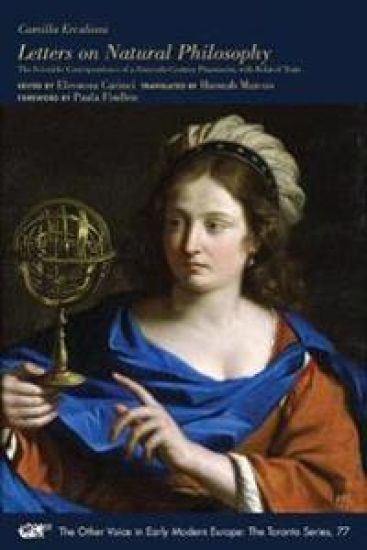
In her Letters on Natural Philosophy, published originally in Krakow in 1584, Camilla Erculiani proposed her new theory of the natural causes of the universal flood in the biblical book of Genesis. Erculiani weaves together her understanding of Aristotelian, Platonic, Galenic, and astrological traditions and combines them with her own observations of the world as seen from her apothecary shop in sixteenth-century Padua. This publication brought Erculiani to the attention of the Inquisition, which accused her of heresy, silencing her for centuries. This edition presents the first full English translation of Erculiani’s book and other relevant texts, bringing to light the cultural context and scientific thought of this unique natural philosopher.
Birds, Other Animals and Natural Curiosities

Birds, Other Animals and Natural Curiosities

Henrietta McBurney; Paula Findlen; Caterina Napoleone; Ian Rolfe; Arthur MacGregor

Harvey Miller Publishers
2017
sidottu

Halvin toimitettuna 252,30 €

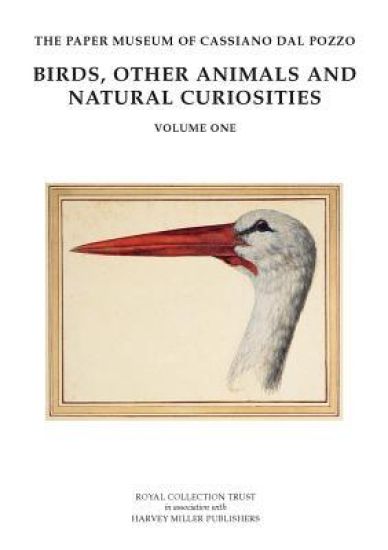
This catalogue brings together some of the finest natural history drawings executed for Cassiano, including 251 coloured drawings of fauna, and 63 of gems, marbles, fossils and other natural curiosities. Cassiano had a particular interest in ornithology, and birds are thus the best-represented members of the animal kingdom in this group, with more than 200 drawings of both native and exotic species. Other drawings of fauna catalogued here include mammals, fishes and crustaceans. Like the bird drawings, many are drawn with painstaking attention to detail and scale, a complete specimen drawn on a reduced scale to fit the sheet, with anatomical details depicted life size. The drawings of mineral specimens and other natural curiosities depict the sort of item commonly found in seventeenth-century collectors' cabinets: gemstones, bezoars, marbles, corals, 'Lucifer' stones, fossils, exotic seeds and beans, as well as scientific instruments.
Possessing Nature

Possessing Nature

Paula Findlen

University of California Press
1996
pokkari
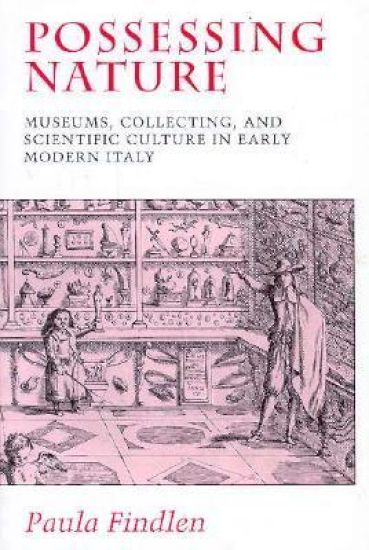
In 1500 few Europeans regarded nature as a subject worthy of inquiry. Yet fifty years later the first museums of natural history had appeared in Italy, dedicated to the marvels of nature. Italian patricians, their curiosity fueled by new voyages of exploration and the humanist rediscovery of nature, created vast collections as a means of knowing the world and used this knowledge to their greater glory. Drawing on extensive archives of visitors' books, letters, travel journals, memoirs, and pleas for patronage, Paula Findlen reconstructs the lost social world of Renaissance and Baroque museums. She follows the new study of natural history as it moved out of the universities and into sixteenth- and seventeenth-century scientific societies, religious orders, and princely courts. Findlen argues convincingly that natural history as a discipline blurred the border between the ancients and the moderns, between collecting in order to recover ancient wisdom and the development of new textual and experimental scholarship. Her vivid account reveals how the scientific revolution grew from the constant mediation between the old forms of knowledge and the new.