Kirjojen hintavertailu – 12 903 735 kirjaa ja 27 kauppaa

Kirjailija

Pei-Ling Hsu

Kirjat ja teokset yhdessä paikassa: 3 kirjaa, julkaisuja vuosilta 2010–2020, suosituimpiin kuuluu Analyzing Communication. Vertaile teosten hintoja ja tarkista saatavuus suomalaisista kirjakaupoista.

3 kirjaa

Kirjojen julkaisuvuodet: 2010–2020.

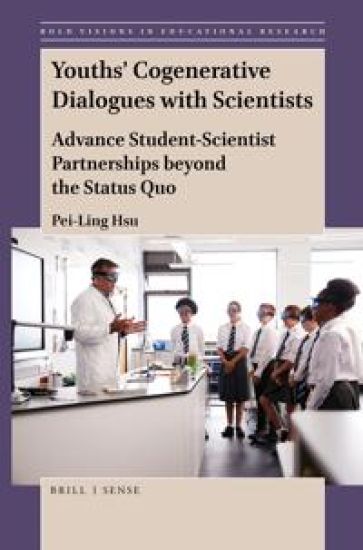
Youths’ Cogenerative Dialogues with Scientists
Working with scientists has been suggested as a powerful activity that can stimulate students’ interest and career aspirations in science. However, how to address challenges of power-over issues and communication barriers in youth-scientist partnerships? In Youths’ Cogenerative Dialogues with Scientists, the author describes a pioneering study to improve internship communications between youth and scientists through cogenerative dialogues. The findings show that cogenerative dialogues can help youth and scientists recognize, express, and manage their challenges and emotions as they arise in their internships. As a result, cogenerative dialogues help youth and scientists work productively as a team and enhance their social boding. Suggestions are also provided for science educators to design more innovative and effective projects for future youth-scientist partnerships.
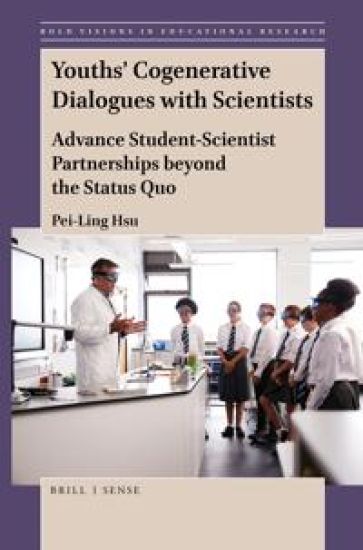
Youths’ Cogenerative Dialogues with Scientists
Working with scientists has been suggested as a powerful activity that can stimulate students’ interest and career aspirations in science. However, how to address challenges of power-over issues and communication barriers in youth-scientist partnerships? In Youths’ Cogenerative Dialogues with Scientists, the author describes a pioneering study to improve internship communications between youth and scientists through cogenerative dialogues. The findings show that cogenerative dialogues can help youth and scientists recognize, express, and manage their challenges and emotions as they arise in their internships. As a result, cogenerative dialogues help youth and scientists work productively as a team and enhance their social boding. Suggestions are also provided for science educators to design more innovative and effective projects for future youth-scientist partnerships.