Kirjojen hintavertailu – 12 903 725 kirjaa ja 27 kauppaa

Kirjailija

Peter A Hancock

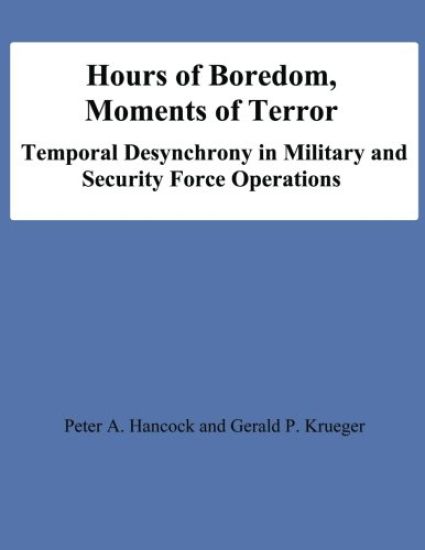
Kirjat ja teokset yhdessä paikassa: 4 kirjaa, julkaisuja vuosilta 2009–2012, suosituimpiin kuuluu Hours of Boredom, Moments of Terror: Temporal Desynchrony in Military and Security Force Operations. Vertaile teosten hintoja ja tarkista saatavuus suomalaisista kirjakaupoista.

Nimi esiintyy myös muodoissa: Peter A. Hancock

4 kirjaa

Kirjojen julkaisuvuodet: 2009–2012.

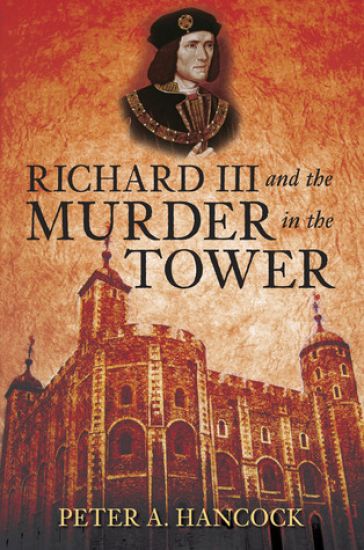
Richard III and the Murder in the Tower

Richard III and the Murder in the Tower

Peter A Hancock

The History Press Ltd
2011
nidottu
Richard III is accused of murdering his nephews (the 'Princes in the Tower') in order to usurp the throne of England. Since Tudor times he has been painted as the 'black legend,' the murderous uncle. However, the truth is much more complicated and interesting. Rather than looking at all the killings Richard III did not commit, this book focuses on the one execution for which we know that he was responsible. On Friday 13 June 1483, William, Lord Hastings was hustled from a meeting of the Royal Council and summarily executed on Tower Green within the confines of the Tower of London. Peter A. Hancock sheds light on the mystery of this precipitate and unadvised action by the then Duke of Gloucester and reveals the key role of William Catesby in Richard's ascent to the throne of England. It explains his curious actions during that tumultuous summer of three kings and provides an explanation for the fate of the 'Princes in the Tower.'
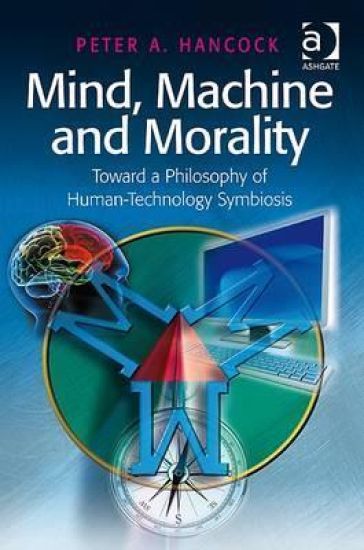
Mind, Machine and Morality

Mind, Machine and Morality

Peter A. Hancock

Ashgate Publishing Limited
2009
sidottu
Technology is our conduit of power. In our modern world, technology is the gatekeeper deciding who shall have and who shall have not. Either technology works for you or you work for technology. It shapes the human race just as much as we shape it. But where is this symbiosis going? Who provides the directions, the intentions, the goals of this human-machine partnership? Such decisions do not derive from the creators of technology who are enmeshed in their individual innovations. They neither come from our social leaders who possess only sufficient technical understanding to react to innovations, not to anticipate or direct their progress. Neither is there evidence of some omnipotent 'invisible hand,' the simple fact is that no one is directing this enterprise. In Mind, Machine and Morality, Peter Hancock asks questions about this insensate progress and has the temerity to suggest some cognate answers. He argues for the unbreakable symbiosis of purpose and process, and examines the dangerous possibilities that emerge when science and purpose meet. Historically, this work is a modern-day child of Bacon's hope for the 'Great Instauration.' However, unlike its forebear, the focus here is on human-machine systems. The emphasis centers on the conception that the active, extensive face of modern philosophy is technology. Whatever we are to become is bound up not only in our biology but critically in our technology also. And to achieve rational progress we need to articulate manifest purpose. This book is one step along the purposive road. Drawing together his many seminal writings on human-machine interaction and adapting these works specifically for this collection, Peter Hancock provides real food for thought, delighting readers with his unique philosophical perspective and outstanding insights. This is theoretical work of the highest order and will open minds accordingly.

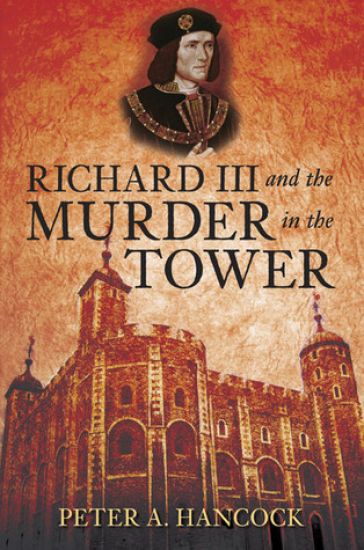
Richard III and the Murder in the Tower

Richard III and the Murder in the Tower

Peter A Hancock

The History Press Ltd
2009
sidottu
Richard III is accused of murdering his nephews (the 'Princes in the Tower') in order to usurp the throne of England. Since Tudor times he has been painted as the 'black legend,' the murderous uncle. However, the truth is much more complicated and interesting. Rather than looking at all the killings Richard III did not commit, this book focuses on the one judicial murder for which we know that he was responsible. On Friday 13 June 1483, William, Lord Hastings was hustled from a meeting of the Royal Council and summarily executed on Tower Green within the confines of the Tower of London. This book solves the mystery of this precipitate and unadvised action by the then Duke of Gloucester and reveals the key role of William Catesby in Richard's ascent to the throne of England. It explains his curious actions during that tumultuous summer of three kings and provides an explanation for the fate of the 'Princes in the Tower.'