Kirjojen hintavertailu – 12 859 819 kirjaa ja 27 kauppaa
Kirjailija
Peter A. Jackson
Kirjat ja teokset yhdessä paikassa: 11 kirjaa, julkaisuja vuosilta 1999–2025, suosituimpiin kuuluu Lady Boys, Tom Boys, Rent Boys. Vertaile teosten hintoja ja tarkista saatavuus suomalaisista kirjakaupoista.
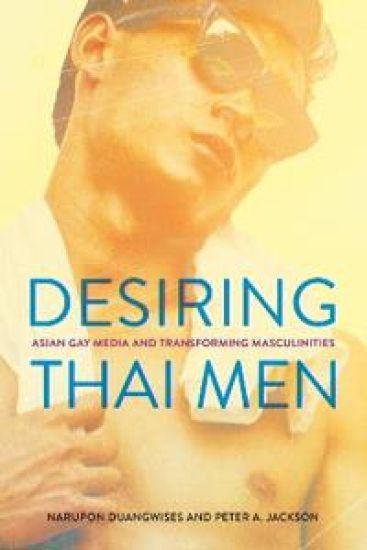
Desiring Thai Men traces the transformative influence of vernacular Thai-language media on Thailand's gay communities from the 1980s through the 2010s. Narupon Duangwises and Peter A. Jackson analyze dramatic changes in the visual representation and languaging of masculine desire and sexual identity among Thai gay men that were reflected in Thai gay magazines and gendered practices in Bangkok's gay bars, fitness centers, and video chatrooms. Multiple masculine identities emerged in Thailand's communities of men who have sex with men from the intersecting influences of commercial gay media and gay venues. Distinctive class-based, contextualized, and flexible masculinities evolved among ethnically diverse Thai gay men in a capitalist setting of print and online media and expanding consumerist lifestyles. Desiring Thai Men argues that evolving forms of masculinity among Thai men who desire men offer insights for reexamining class dynamics in transnational queer and media studies, and the applicability of hegemonic masculinity beyond Western contexts.
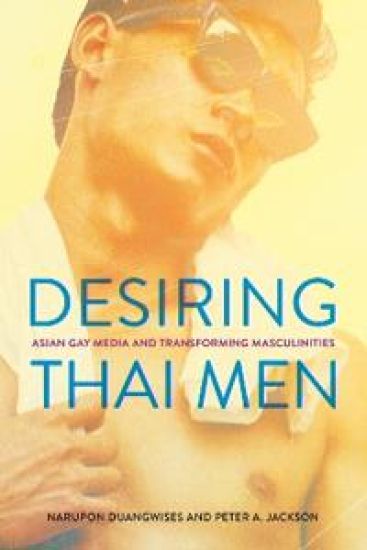
Desiring Thai Men traces the transformative influence of vernacular Thai-language media on Thailand's gay communities from the 1980s through the 2010s. Narupon Duangwises and Peter A. Jackson analyze dramatic changes in the visual representation and languaging of masculine desire and sexual identity among Thai gay men that were reflected in Thai gay magazines and gendered practices in Bangkok's gay bars, fitness centers, and video chatrooms. Multiple masculine identities emerged in Thailand's communities of men who have sex with men from the intersecting influences of commercial gay media and gay venues. Distinctive class-based, contextualized, and flexible masculinities evolved among ethnically diverse Thai gay men in a capitalist setting of print and online media and expanding consumerist lifestyles. Desiring Thai Men argues that evolving forms of masculinity among Thai men who desire men offer insights for reexamining class dynamics in transnational queer and media studies, and the applicability of hegemonic masculinity beyond Western contexts.
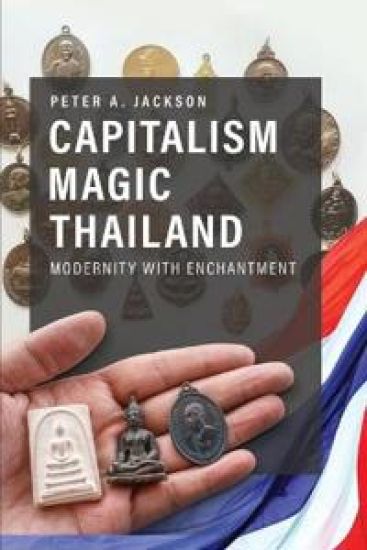
By studying intersections among new cults of wealth, ritually empowered amulets and professional spirit mediumship—which have emerged together in Thailand's dynamic religious field in recent decades—Capitalism Magic Thailand explores the conditions under which global modernity produces new varieties of enchantment. Bruno Latour's account of modernity as a condition fractured between rationalizing ideology and hybridizing practice is expanded to explain the apparent paradox of new forms of magical ritual emerging alongside religious fundamentalism across a wide range of Asian societies. In Thailand, novel and increasingly popular varieties of ritual now form a symbolic complex in which originally distinct cults centred on Indian deities, Chinese gods and Thai religious and royal figures have merged in commercial spaces and media sites to sacralize the market and wealth production. Emerging within popular culture, this complex of cults of wealth, amulets and spirit mediumship is supported by all levels of Thai society, including those at the acme of economic and political power. New theoretical frameworks are presented in analyses that challenge the view that magic is a residue of premodernity, placing the dramatic transformations of cultic ritual centre stage in modern Thai history. It is concluded that modern enchantment arises at the confluence of three processes: neoliberal capitalism's production of occult economies, the auraticizing effects of technologies of mass mediatization, and the performative force of ritual in religious fields where practice takes precedence over doctrine.
Exploring Social Geography, first published in 1984, offers a challenging yet comprehensive introduction to the wealth of empirical research and theoretical debate that has developed in response to the advent of a social approach to the subject. The argument emphasises the essentially spatial structure of social interaction, and includes a succinct discussion of geographical research on segregation and interaction, which has combined numerical analyses and qualitative ethnographic field research. A distinctive view of social geography is adopted, inspired by the Chicago school of North American pragmatism, but also incorporating the formal sociological theories of Simmel and Weber. Exploring Social Geography will be of value to students of urban geography in particular. However, it will also indicate a wide-ranging and distinctive perspective for all students of the social sciences with a special interest in debates concerning urban, ethnic, racial, anthropological and theoretical issues.
Exploring Social Geography, first published in 1984, offers a challenging yet comprehensive introduction to the wealth of empirical research and theoretical debate that has developed in response to the advent of a social approach to the subject. The argument emphasises the essentially spatial structure of social interaction, and includes a succinct discussion of geographical research on segregation and interaction, which has combined numerical analyses and qualitative ethnographic field research. A distinctive view of social geography is adopted, inspired by the Chicago school of North American pragmatism, but also incorporating the formal sociological theories of Simmel and Weber. Exploring Social Geography will be of value to students of urban geography in particular. However, it will also indicate a wide-ranging and distinctive perspective for all students of the social sciences with a special interest in debates concerning urban, ethnic, racial, anthropological and theoretical issues.
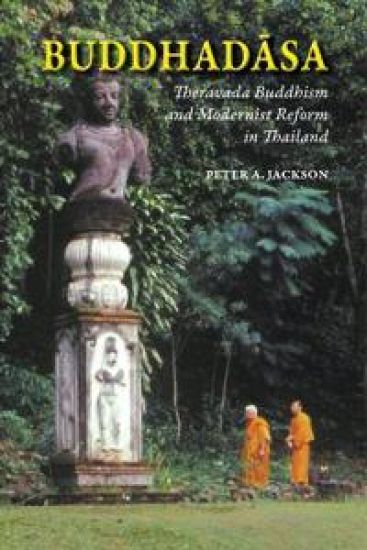
Buddhadasa Bhikkhu (1906–1993) is widely regarded as modern Thailand's most influential Buddhist philosopher. His thought had a profound intellectual impact in Thailand in the second half of the twentieth century. His life mission was to undertake a complete reexamination of Theravada Buddhist teachings. By returning to the Buddha's original teachings in the Suttapitaka and by drawing on aspects of Zen Buddhism, Buddhadasa crafted a vision of Thai Buddhism as a socially, politically, and intellectually progressive force. This vision of a modern Theravada Buddhism fit for a modern, democratic, and socially just Thailand continues to inspire large numbers of Thai people in the twenty-first century. In this book Peter Jackson examines Buddhadasa's life work and thought, placing them in the context of the political, economic, and intellectual changes that transformed Thailand in the twentieth century. Combining biographical studies with critical philosophical and sociological analyses of Buddhadasa's reforms of Thai Buddhist teachings, Peter Jackson emphasizes the path-breaking and often radical ideas of one of the greatest Buddhist thinkers of the last century. This book is a revised and expanded edition of Peter Jackson's Buddhadasa: A Buddhist Thinker for the Modern World, published in 1988. It contains a new epilogue tracing the controversy surrounding Buddhadasa's death in 1993 and reflecting on the philosopher-monk's lasting legacy in Thailand.
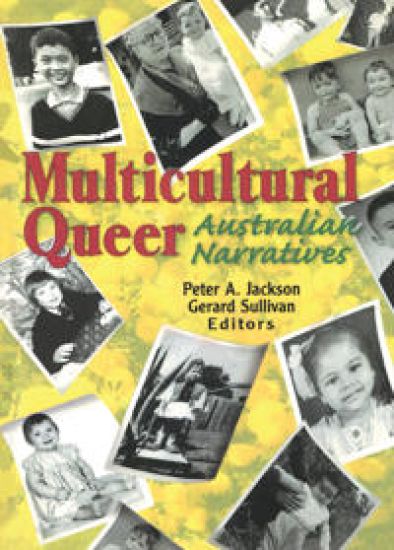
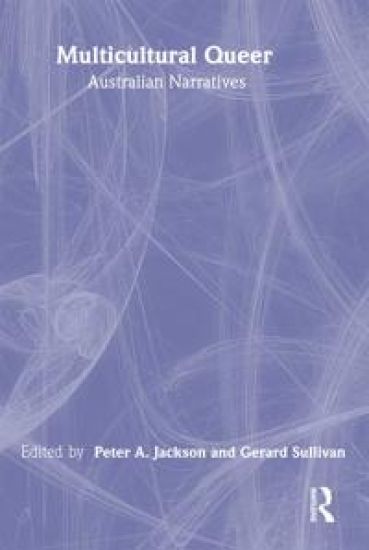
Examining the intersections of race, culture, gender, and sexuality, Multicultural Queer: Australian Narratives explores the lives of non-Anglo homosexuals in Australia and the difficulties they encounter establishing themselves in gay and lesbian communities. Through academic analyses, creative genres, and personal narratives, this book describes how lesbians and gay men of ethnic minorities negotiate their sexuality amidst dual cultural forces. Multicultural Queer will help you learn about and understand the challenges that gay and lesbian ethnic minorities face within a Western culture. Discussing the experiences of individuals who have double or triple minority statuses--as gay people, as members of ethnic minorities, and/or as women--this book investigates racial stereotypes and the Australian gay “ideal.” From Multicultural Queer, you will learn why many gay men of Asian ancestry feel sexually unattractive, develop certain habits to make themselves more acceptable to peers, and how they struggle to make sense of negative social experiences. Multicultural Queer contains research and first-hand accounts that give you insight into current efforts to explain and combat the exclusion of minorities, such as:the relationship between race and sexuality issues related to self-esteem of gay Asian men as determined by their identification with Asian and/or gay communities common cinematic tropes and theoretical discourses used to depict and define Asians as mostly heterosexual or sexually deviant because of their ethnicity how anti-Semitism and racism are reflected in lesbian communities and how they relate to issues of privilege, invisibility, and exclusion dilemmas, concerns, and strategies for integrating multiculturalism and multisexuality in educational institutions to combat homophobiaProviding a background on immigration to Australia, multiculturism policies, and general facts about the country, Multicultural Queer offers you a complete look at the diversity of Australian society. This insight will help you understand the feelings, stereotypes, and attitudes toward ethnic and sexual minorities and how they deal with their sexual and ethnic multiplicity.
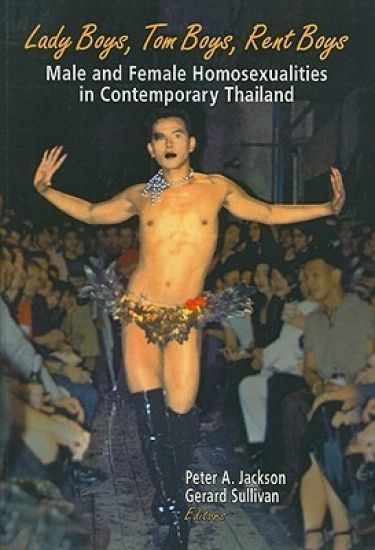
Lady Boys, Tom Boys, Rent Boys: Male and Female Homosexualities in Contemporary Thailand offers methods that will help social workers, researchers, and students create HIV/AIDS intervention services for gay men, lesbians, and transgender individuals in or from Thailand. Many of these methods can also be used by practitioners or HIV/AIDS educators in North America and developing countries to address issues of culturally diverse clientele. In response to Western and Thai sexuality studies that fail to accurately represent the diverse sexualities of Thailand, this book discusses and describes certain factors that need to be taken into consideration when developing intervention programs. Demonstrating how cultural and social factors influence services, Lady Boys, Tom Boys, Rent Boys will help you provide clients with effective and relevant services. Drawing attention to Eurocentric ideology that may hinder cross-cultural collaboration for Thai-Western service provisions, this book offers you information that will help you understand how cultural, political, and economic systems shape sexuality and gender roles in Thai society. Lady Boys, Tom Boys, Rent Boys provides you with the necessary knowledge for providing successful services, including:how Thai sexualities are identified by examining the meaning of terms such as “toms” (masculine Thai lesbians), “dee” (feminine-identified women who have relations with other women), “kathoey” (males that dress like women and wear make-up), or “lady boys” (transsexual or transvestite males) how Thai society actually defines ”having sex” and recognizing the differences from Western connotations of sex to effectively teach individuals about the risk of HIV/AIDS ways Western views of confidentiality and privacy differ from Thai views in order to understand why individuals hesitate to get tested for or seek counselling about HIV/AIDS the relationship between occupation and sexual identity in movies and magazines that reveal how sexuality is characterized in Thailand the unique social identity of “toms” and how Thai society labels what is masculine and feminine reasons for hiding sexual identity, such as rejection, fear of stereotypes, and having a relationship that is viewed by society as wrong and meaningless protecting commercial sex workers (CSW) from infection by developing culturally appropriate interventionsOne of the only books to address HIV/AIDS issues of gay and transgender individuals in Thailand, Lady Boys, Tom Boys, Rent Boys will help you increase awareness about HIV/AIDS and create successful intervention programs for clients.
Lady Boys, Tom Boys, Rent Boys: Male and Female Homosexualities in Contemporary Thailand offers methods that will help social workers, researchers, and students create HIV/AIDS intervention services for gay men, lesbians, and transgender individuals in or from Thailand. Many of these methods can also be used by practitioners or HIV/AIDS educators in North America and developing countries to address issues of culturally diverse clientele. In response to Western and Thai sexuality studies that fail to accurately represent the diverse sexualities of Thailand, this book discusses and describes certain factors that need to be taken into consideration when developing intervention programs. Demonstrating how cultural and social factors influence services, Lady Boys, Tom Boys, Rent Boys will help you provide clients with effective and relevant services. Drawing attention to Eurocentric ideology that may hinder cross-cultural collaboration for Thai-Western service provisions, this book offers you information that will help you understand how cultural, political, and economic systems shape sexuality and gender roles in Thai society. Lady Boys, Tom Boys, Rent Boys provides you with the necessary knowledge for providing successful services, including:how Thai sexualities are identified by examining the meaning of terms such as “toms” (masculine Thai lesbians), “dee” (feminine-identified women who have relations with other women), “kathoey” (males that dress like women and wear make-up), or “lady boys” (transsexual or transvestite males) how Thai society actually defines ”having sex” and recognizing the differences from Western connotations of sex to effectively teach individuals about the risk of HIV/AIDS ways Western views of confidentiality and privacy differ from Thai views in order to understand why individuals hesitate to get tested for or seek counselling about HIV/AIDS the relationship between occupation and sexual identity in movies and magazines that reveal how sexuality is characterized in Thailand the unique social identity of “toms” and how Thai society labels what is masculine and feminine reasons for hiding sexual identity, such as rejection, fear of stereotypes, and having a relationship that is viewed by society as wrong and meaningless protecting commercial sex workers (CSW) from infection by developing culturally appropriate interventionsOne of the only books to address HIV/AIDS issues of gay and transgender individuals in Thailand, Lady Boys, Tom Boys, Rent Boys will help you increase awareness about HIV/AIDS and create successful intervention programs for clients.
Examining the intersections of race, culture, gender, and sexuality, Multicultural Queer: Australian Narratives explores the lives of non-Anglo homosexuals in Australia and the difficulties they encounter establishing themselves in gay and lesbian communities. Through academic analyses, creative genres, and personal narratives, this book describes how lesbians and gay men of ethnic minorities negotiate their sexuality amidst dual cultural forces. Multicultural Queer will help you learn about and understand the challenges that gay and lesbian ethnic minorities face within a Western culture. Discussing the experiences of individuals who have double or triple minority statuses--as gay people, as members of ethnic minorities, and/or as women--this book investigates racial stereotypes and the Australian gay “ideal.” From Multicultural Queer, you will learn why many gay men of Asian ancestry feel sexually unattractive, develop certain habits to make themselves more acceptable to peers, and how they struggle to make sense of negative social experiences. Multicultural Queer contains research and first-hand accounts that give you insight into current efforts to explain and combat the exclusion of minorities, such as:the relationship between race and sexuality issues related to self-esteem of gay Asian men as determined by their identification with Asian and/or gay communities common cinematic tropes and theoretical discourses used to depict and define Asians as mostly heterosexual or sexually deviant because of their ethnicity how anti-Semitism and racism are reflected in lesbian communities and how they relate to issues of privilege, invisibility, and exclusion dilemmas, concerns, and strategies for integrating multiculturalism and multisexuality in educational institutions to combat homophobiaProviding a background on immigration to Australia, multiculturism policies, and general facts about the country, Multicultural Queer offers you a complete look at the diversity of Australian society. This insight will help you understand the feelings, stereotypes, and attitudes toward ethnic and sexual minorities and how they deal with their sexual and ethnic multiplicity.