Kirjojen hintavertailu – 12 903 725 kirjaa ja 27 kauppaa

Kirjailija

Peter Barrett

Kirjat ja teokset yhdessä paikassa: 11 kirjaa, julkaisuja vuosilta 1999–2019, suosituimpiin kuuluu An Australasian Beekeeping Bibliography. Vertaile teosten hintoja ja tarkista saatavuus suomalaisista kirjakaupoista.

11 kirjaa

Kirjojen julkaisuvuodet: 1999–2019.

The Impact of School Infrastructure on Learning

The Impact of School Infrastructure on Learning

Peter Barrett; Alberto Treves; Tigran Shmis; Diego Ambasz; Maria Ustinova

World Bank Publications
2019
nidottu
This book focuses on how school facilities can affect children's learning outcomes, identifying parameters that can inform the design, implementation, and supervision of future educational infrastructure projects. It reflects on aspects for which the evidence could be strengthened, and identifies areas for further exploratory work.
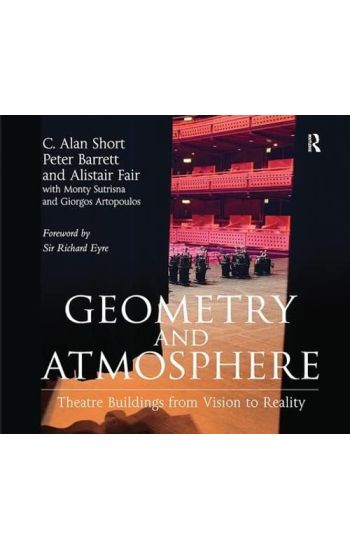
Geometry and Atmosphere

Geometry and Atmosphere

C. Alan Short; Peter Barrett; Alistair Fair; Monty Sutrisna

Routledge
2017
nidottu
Drawing on detailed design, construction and financial histories of six prominent Performing Arts buildings with budgets ranging from £3.4 million to over £100 million, Geometry and Atmosphere presents unique and valuable insights into the complex process of building for the arts. Each theatre project, from tailor-made spaces for avant-garde companies to iconic and innovative receiving houses, yields surprising and counter-intuitive findings. For each of the six projects, the authors have interviewed all those involved. Combining these interviews with exhaustive archival research, the authors then provide cross-case analysis which is distilled into guidance for all stakeholders as they transform their initial vision into built reality. In particular, the book challenges the technical focus of existing design guides for the Performing Arts by suggesting that current practice in briefing and design does not serve the Arts community especially well. It shows that there is a need for an approach in which the focus is firmly rooted in the delivery of the driving artistic vision. As well as being of interest to architects, urban designers and those involved in theatre studies, this book will be useful to other sectors where public money is spent on major building projects.
Innovation in Small Construction Firms

Innovation in Small Construction Firms

Peter Barrett; Martin Sexton; Angela Lee

Routledge
2016
nidottu
Innovation in Small Construction Firms promotes the benefits of innovation, and stimulate innovation capability within and between small and medium sized (SMEs) construction firms in an effort to bring in a new 'can innovate, should innovate, want to innovate' culture to the construction industry. Presenting new theoretical and practical insights and models grounded in descriptive case studies, the issues addressed include:what is the motivation to innovate? what is appropriate innovation? how can small construction firms create, manage and exploit innovation?what practice-based models, tools and techniques support the capability of small construction firms to innovate well?how does this fit in the context of leading international work in construction innovation? Findings are contextualised in the broader literature to make them of relevance to policy makers, practitioners and researchers interested in small, project-based firms in general.
Facilities Management

Facilities Management

Peter Barrett; Edward Finch

John Wiley Sons Inc
2013
nidottu
Facilities management continues to expand and develop in terms of the volume and diversity of commercial activity, with a significant influence upon organisational success and goal achievement. The two previous editions of Facilities Management have become established as key sources for all facilities management courses and forward thinking facilities managers, providing a strong blend of research-informed opportunities and practical, balanced advice for strategically orientated practitioners. This third edition builds on those foundations, focussing on the driving idea that excellent facilities management demands a responsive and dynamic approach to the positive impacts facilities can have on users operating within a world in flux. Within this overarching theme the book considers numerous contemporary issues facing facilities managers, within a framework that covers organisation, technology and process.
Facility Management

Facility Management

Peter Barrett

Vieweg+teubner Verlag
2012
nidottu
Danksagung . . . . . . . . . . . . . . . . . . . . . . . . . . . . . . . . . . . . . . . . . . . . . . . . . . . . . . . . . . . 13 Teil 1: Die Praxis des Facility Managements 1 Positive Praxisbeispiele des Facility Managements 17 1. 1 Einleitung . . . . . . . . . . . . . . . . . . . . . . . . . . . . . . . . . . . . . . . . . . . . . . . . . . . . . . . 17 1. 1. 1 Zielsetzung des Kapitels . . . . . . . . . . . . . . . . . . . . . . . . . . . . . . . . . . . . . . . 17 1. 1. 2 Überblick über die einzelnen Abschnitte . . . . . . . . . . . . . . . . . . . . . . . . . . 17 1. 1. 3 Lesearten des Kapitels . . . . . . . . . . . . . . . . . . . . . . . . . . . . . . . . . . . . . . . . . 17 1. 2 FM-Modelle . . . . . . . . . . . . . . . . . . . . . . . . . . . . . . . . . . . . . . . . . . . . . . . . . . . . . 18 1. 2. 1 Kontext. . . . . . . . . . . . . . . . . . . . . . . . . . . . . . . . . . . . . . . . . . . . . . . . . . . . . . 18 1. 2. 2 Office Manager-Modell . . . . . . . . . . . . . . . . . . . . . . . . . . . . . . . . . . . . . . . . 18 1. 2. 3 Single Site-Modell . . . . . . . . . . . . . . . . . . . . . . . . . . . . . . . . . . . . . . . . . . . . 19 1. 2. 4 Localised Sites-Modell . . . . . . . . . . . . . . . . . . . . . . . . . . . . . . . . . . . . . . . . . 20 1. 2. 5 Multiple Sites-Modell . . . . . . . . . . . . . . . . . . . . . . . . . . . . . . . . . . . . . . . . . . 20 1. 2. 6 International-Modell . . . . . . . . . . . . . . . . . . . . . . . . . . . . . . . . . . . . . . . . . . 21 1. 3 Fallstudien . . . . . . . . . . . . . . . . . . . . . . . . . . . . . . . . . . . . . . . . . . . . . . . . . . . . . . . 21 1. 3. 1 Hintergrund. . . . . . . . . . . . . . . . . . . . . . . . . . . . . . . . . . . . . . . . . . . . . . . . . . 21 1. 3. 2 OfficeManager-Modell- Beispiel . . . . . . . . . . . . . . . . . . . . . . . . . . . . . . . 22 1. 3. 3 Single Site-Modell- Beispiel 1 . . . . . . . . . . . . . . . . . . . . . . . . . . . . . . . . . . 24 1. 3. 4 Single Site-Modell- Beispiel 2 . . . . . . . . . . . . . . . . . . . . . . . . . . . . . . . . . . 28 1. 3. 5 Localised Sites-Modell- Beispiel . . . . . . . . . . . . . . . . . . . . . . . . . . . . . . . . 32 1. 3. 6 Multiple Sites-Modell- Beispiel 1 . . . . . . . . . . . . . . . . . . . . . . . . . . . . . . . 36 1. 3. 7 Multiple Sites- Modell - Beispiel 2 . . . . . . . . . . . . . . . . . . . . . . . . . . . . . . . 43 1. 4 FM-Systeme . . . . . . . . . . . . . . . . . . . . . . . . . . . . . . . . . . . . . . . . . . . . . . . . . . . . . 47 1. 4. 1 Hintergrund. . . . . . . . . . . . . . . . . . . . . . . . . . . . . . . . . . . . . . . . . . . . . . . . . . 47 1. 4. 2 Ergebnisse der Fallstudien . . . . . . . . . . . . . . . . . . . . . . . . . . . . . . . . . . . . . . 47 1. 4. 3 FM-Struktur . . . . . . . . . . . . . . . . . . . . . . . . . . . . . . . . . . . . . . . . . . . . . . . . . 48 1. 4. 4 Verwaltung der FM-Leistungen . . . . . . . . . . . . . . . . . . . . . . . . . . . . . . . . . 50 1. 4. 5 Abstimmung auf aktuelle Kerngeschäft-Anforderungen . . . . . . . . . . . . . 52 1. 4. 6 Facility Management und äußere Einflüsse . . . . . . . . . . . . . . . . . . . . . . . . 53 1. 5 Rahmenmodell . . . . . . . . . . . . . . . . . . . . . . . . . . . . . . . . . . . . . . . . . . . . . . . . . . . 54 1. 6 Literatur . . . . . . . . . . . . . . . . . . . . . . . . . . . . . . . . . . . . . . . . . . . . . . . . . . . . . . . . . 56 5 Inhaltsverzeichnis 2 Effizienzsteigerung des Facility Managements 57 2. 1 Einleitung . . . . . . . . . . . . . . . . . . . . . .. . . . . . . . . . . . . . . . . . . . . . . . . . . . . . . . . 57 2. 1. 1 Kontext. . . . . . . . . . . . . . . . . . . . . . . . . . . . . . . . . . . . . . . . . . . . . . . . . . . . . . 57 2. 1. 2 Hintergrund . . . . . . . . . . . . . . . . . . . . . . . . . . . . . . . . . . . . . . . . . . . . . . . . . . 57 2. 1. 3 Zusammenfassung der einzelnen Abschnitte . . . . . . . . . . . . . . . . . . . . . . 58 2. 2 FM-Leistungen aus Sicht des Auftraggebers . . . . . . . . . . . . . . . . . . . . . . . . . . 58 2. 2. 1 Kontext . . . . . . . . . . . . . . . . . . . . . . . . . . . . . . . . . . . . . . . . . . . . . . . . . . . . . . 58 2. 2. 2 Qualität fachspezifischer Leistungen . . . . . . . . . . . . . . . . . . . . . . . . . . . . . 58 2. 3 Feedback und Motivation . . . . . . . . . . . . . . . . . . . . . . . . . . . . . . . . . . . . . . . . . .
Geometry and Atmosphere

Geometry and Atmosphere

C. Alan Short; Peter Barrett; Alistair Fair; Monty Sutrisna

Ashgate Publishing Limited
2012
sidottu
Drawing on detailed design, construction and financial histories of six prominent Performing Arts buildings with budgets ranging from £3.4 million to over £100 million, Geometry and Atmosphere presents unique and valuable insights into the complex process of building for the arts. Each theatre project, from tailor-made spaces for avant-garde companies to iconic and innovative receiving houses, yields surprising and counter-intuitive findings. For each of the six projects, the authors have interviewed all those involved. Combining these interviews with exhaustive archival research, the authors then provide cross-case analysis which is distilled into guidance for all stakeholders as they transform their initial vision into built reality. In particular, the book challenges the technical focus of existing design guides for the Performing Arts by suggesting that current practice in briefing and design does not serve the Arts community especially well. It shows that there is a need for an approach in which the focus is firmly rooted in the delivery of the driving artistic vision. As well as being of interest to architects, urban designers and those involved in theatre studies, this book will be useful to other sectors where public money is spent on major building projects.
Innovation in Small Construction Firms

Innovation in Small Construction Firms

Peter Barrett; Martin Sexton; Angela Lee

Routledge
2008
sidottu
Innovation in Small Construction Firms promotes the benefits of innovation, and stimulate innovation capability within and between small and medium sized (SMEs) construction firms in an effort to bring in a new 'can innovate, should innovate, want to innovate' culture to the construction industry. Presenting new theoretical and practical insights and models grounded in descriptive case studies, the issues addressed include:what is the motivation to innovate? what is appropriate innovation? how can small construction firms create, manage and exploit innovation?what practice-based models, tools and techniques support the capability of small construction firms to innovate well?how does this fit in the context of leading international work in construction innovation? Findings are contextualised in the broader literature to make them of relevance to policy makers, practitioners and researchers interested in small, project-based firms in general.
Revaluing Construction

Revaluing Construction

Peter Barrett

Wiley-Blackwell (an imprint of John Wiley Sons Ltd)
2007
sidottu
The performance of the construction industry has been a constant source of criticism and review for many years in the UK and a variety of other countries, and this has culminated in a series of major initiatives aimed at changing the combative nature of the industry to one that effectively provides the service clients say they want. There has been interest in the issues, but little consensus on how to move forward. Following a number of research initiatives a seven part model has been developed. It has been made possible to set out challenges for various key stakeholders and make clear proposals regarding progressive implementation drawing from various national experiences. The seven key areas for action are: - A holistic notion of construction - A shared vision amongst stakeholders - A balance between markets and social capital - Dynamic decisions and information - Evolving knowledge and attitudes - Awareness of the systemic contribution of construction - Promotion of the full value delivered to society Features of this book: - Takes a global perspective on the ways forward for the construction industry. - Identifies seven key areas for action, and the connections between them. - Based on results from a series of international conferences, survey questionnaires and workshops. - Published in association with CIB – the International Council for Research and Innovation in Building and Construction
Science and Theology Since Copernicus

Science and Theology Since Copernicus

Peter Barrett

Continuum International Publishing Group Ltd.
2004
nidottu
Modern science has developed in three major phases: the Scientific Revolution; the rise of geology and Darwin's theory of evolution; and the natural sciences of the 20th century. Surveying the key developments in the natural sciences over the past 450 years, this text provides an outline of the present science and theology discourse and suggests how a scientific description of the world may be placed within a broad theistic theme. The first two phases are described through the work of leading ecientific figures, from Copernicus to Newton, and from Linnaeus to Darwin.
Better Construction Briefing

Better Construction Briefing

Peter Barrett; Catherine A. Stanley

Blackwell Science Ltd
1999
nidottu
Very few buildings finish on time or at the right price, and clients often criticise the fact that the finished building is not what they expected. Poor communication between the parties at one or more stages of the construction process seems to be the cause, and improved briefing practice has long been recognised as one important area where such communication could be improved. This book examines the briefing process to understand its strengths and weaknesses and the problems involved, draws on the experience of other disciplines and industries, and identifies best practice and purpose innovations in the briefing process. It is strongly industry oriented while drawing on sound research.