Kirjailija
Peter Blecha
Kirjat ja teokset yhdessä paikassa: 7 kirjaa, julkaisuja vuosilta 2007–2026, suosituimpiin kuuluu Music in Oregon: Portland and Beyond. Vertaile teosten hintoja ja tarkista saatavuus suomalaisista kirjakaupoista.
7 kirjaa
Kirjojen julkaisuvuodet: 2007–2026.
Finalist for the 2024 Washington State Book Award in General NonfictionParking lot rumbles, teen dance riots, and the rise of the Northwest SoundLong before the world discovered grunge, the Pacific Northwest was already home to a singular music culture. In the late 1950s, locals had codified a distinct offshoot of rockin' R&B, and a surprising number of them would skyrocket to success, including Little Bill and the Bluenotes, the Wailers, Ron Holden, Paul Revere and the Raiders, the Kingsmen, Merrilee Rush, and the Sonics. With entertaining accounts gleaned from hundreds of interviews, Peter Blecha tells the story of music in the Pacific Northwest from the 1940s to the 1960s, a golden era that shaped generations of musicians to come. The local R&B scene evolved from the area's vibrant jazz scene, and Blecha illuminates the musical continuum between Ray Charles (who cut his first record in Seattle) and Quincy Jones to the rock 'n' rollers who forged the classic jazz-tinged "Northwest Sound." DJs built a teen dance circuit that the authorities didn't like but whose popularity pushed bands to develop crowd-friendly beats. Do-it-yourself enthusiasts launched groundbreaking record companies that scored a surprising number of hit songs. Highlighting key but overlooked figures and offering a new look at well-known musicians (such as an obscure guitarist then known as Jimmy Hendrix), Blecha shows how an isolated region launched influential new sounds upon an unsuspecting world. Stomp and Shout was made possible in part by a grant from 4Culture's Heritage Program. A Michael J. Repass Book
Rising Tides and Tailwinds
Casey McNerthney; Kit Oldham; Peter Blecha
Documentary Media Llc
2024
sidottu
Finalist for the 2024 Washington State Book Award in General NonfictionParking lot rumbles, teen dance riots, and the rise of the Northwest SoundLong before the world discovered grunge, the Pacific Northwest was already home to a singular music culture. In the late 1950s, locals had codified a distinct offshoot of rockin' R&B, and a surprising number of them would skyrocket to success, including Little Bill and the Bluenotes, the Wailers, Ron Holden, Paul Revere and the Raiders, the Kingsmen, Merrilee Rush, and the Sonics. With entertaining accounts gleaned from hundreds of interviews, Peter Blecha tells the story of music in the Pacific Northwest from the 1940s to the 1960s, a golden era that shaped generations of musicians to come. The local R&B scene evolved from the area's vibrant jazz scene, and Blecha illuminates the musical continuum between Ray Charles (who cut his first record in Seattle) and Quincy Jones to the rock 'n' rollers who forged the classic jazz-tinged "Northwest Sound." DJs built a teen dance circuit that the authorities didn't like but whose popularity pushed bands to develop crowd-friendly beats. Do-it-yourself enthusiasts launched groundbreaking record companies that scored a surprising number of hit songs. Highlighting key but overlooked figures and offering a new look at well-known musicians (such as an obscure guitarist then known as Jimmy Hendrix), Blecha shows how an isolated region launched influential new sounds upon an unsuspecting world. Stomp and Shout was made possible in part by a grant from 4Culture's Heritage Program. A Michael J. Repass Book
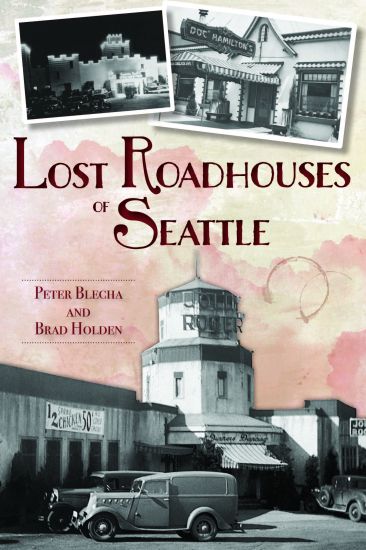
Prohibition came early to Washington State--in 1916--and kicked off an unforgettable era of nightlife. Prohibition went national in 1920 and a network of roadside inns, taverns and dancehalls just outside of Seattle's city limits thrived well into the rockin' 1950s, providing illicit entertainment for those seeking a good time. Spurred on by early car culture and strict liquor laws, places like the Spanish Castle, The Jungle and The Black Cat sprang into being. Commonly called roadhouses, many of these remote outposts existed along two newly-built and parallel stretches of county highways - far from the prying eyes of city police. Fabled speakeasy operator, "Doc" Hamilton founded some of the earliest of these hideaways. Join authors Peter Blecha and Brad Holden as they uncover the fascinating era of forbidden nightclubs.
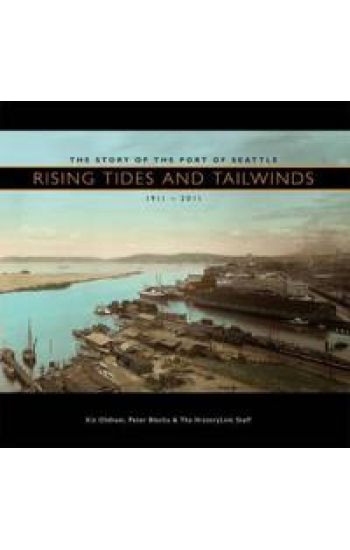
A century ago Seattle was held hostage by its own waterfront. Competing railroad companies built a chaotic sprawl of railroad lines, docks, and warehouses along the shoreline of the great natural harbor of Elliott Bay, creating conditions so bad that visionary civic planner Virgil Bogue called the harbor side "a blot on the city and a menace to the lives of its people." After many years of unproductive bickering and lawsuits, the Port District Act was passed making the Port of Seattle the first public port formed under legislation. The newly public port proved its worth during World War I, when it briefly became the second busiest in the country. In succeeding decades, the Port excelled in projects that would have been nearly impossible for private companies; it met the challenges of the Depression, founded Seattle-Tacoma International Airport, helped revolutionize containerized cargo, and generated tens of thousands of jobs. Entering its second century, the Port is a recognized leader in environmental restoration, sustainable aviation, and shipping practices.