Kirjojen hintavertailu – 12 867 636 kirjaa ja 27 kauppaa
Kirjailija
Peter Cachola Schmal
Kirjat ja teokset yhdessä paikassa: 4 kirjaa, julkaisuja vuosilta 2012–2024, suosituimpiin kuuluu Deutsches Architektur Jahrbuch 2023/German Architecture Annual 2023. Vertaile teosten hintoja ja tarkista saatavuus suomalaisista kirjakaupoista.
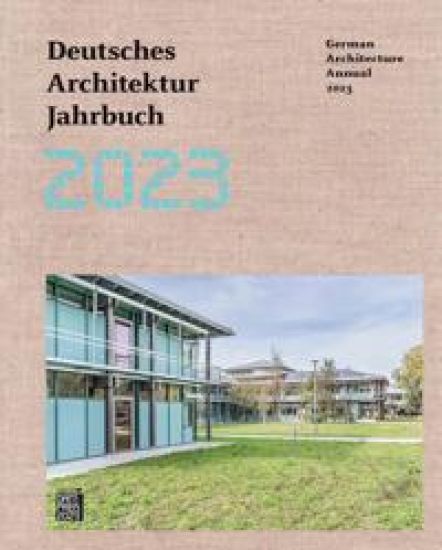
The German Architecture Yearbook , published by the German Architecture Museum (DAM) in Frankfurt am Main, has been documenting current building activity in Germany for almost 40 years. In reviews by well-known authors, the yearbook presents the shortlist of 23 buildings from Germany and three examples from abroad, which a jury determined for the DAM Prize for Architecture in Germany 2023 . Curators of the museum as well as renowned architects and architecture critics viewed a field of around 100 nominations for the year. In addition to the special tribute to the winner of the DAM Prize, the shortlist of finalists is also portrayed in more detail. The German Architectural Annual, edited by the German Architecture Museum (DAM), has been documenting contemporary architectural projects in Germany for the past 40 years. This year's edition of the annual presents the shortlist of 26 buildings selected by the jury for the 2023 DAM Prize for Architecture in Germany. The building reviews, written by architectural critics, along with large-format photographs, provide a deep insight into those works.
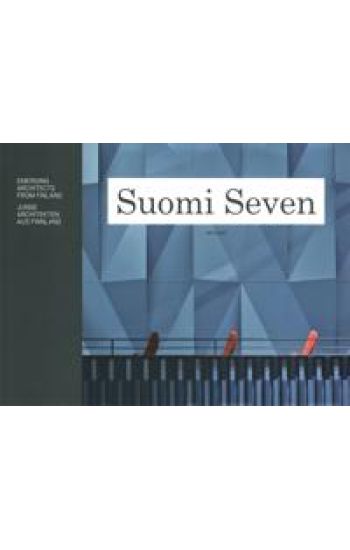
Suomi Seven. Emerging Architects from Finland introduces a full line-up of Finland's most promising up-and-coming architectural talents born in the 1970s and 80s. Despite their young age, many of these architects have had the opportunity to work on major projects at a relatively early stage of their professional careers. The future of Finnish architehture now rests in the hands of this rising generation of outgoing, optimistic and globally networked go-getters.
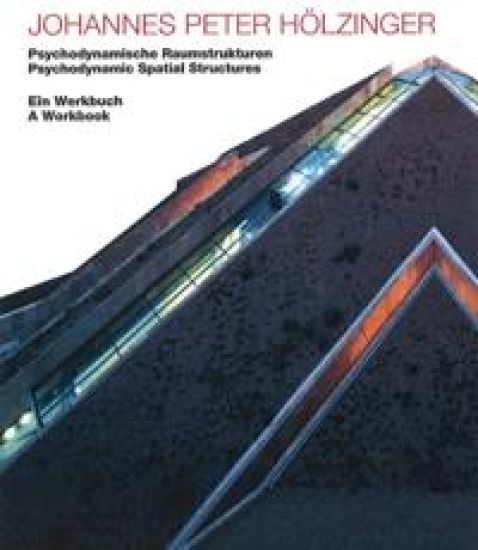
Text in English & German. Johannes Peter Hölzinger studied architecture at the Städelschule in Frankfurt am Main from 1954 to 1957. After a residency fellowship at the Deutsche Akademie Villa Massimo in Rome he founded a "planning association for new forms of the environment" in 1965 together with Zero artist Hermann Goepfert, who has since died. One of the most successful results of his work with Goepfert was a new design for the Schloßpark in Karlsruhe on the occasion of the Bundesgartenschau in 1967, which won a major German architectural prize, the Hugo-Häring-Preis. From 1991 until his retirement in 2002 Hölzinger directed the art and public-space course at the Akademie der bildenden Künste in Nuremberg. Individualistic and oppositional in comparison to other post-World War II architectural achievements, the design of Hölzinger's buildings is very distinctive. The playful elements of Postmodernism are as alien to his work as the functionalism of New Building. Because of his association with Hermann Goepfert, Hölzinger is much more closely connected with the art scene of his time. The integration of art and architecture is a unique feature of his buildings. If we try to assign a category to this "object architecture" (a term he coined himself), we will find less overlap with architecture than with fine art. From the very beginning Hölzinger saw architecture as an artistic discipline. Light kinetics offered him important new perspectives. Lighting design and the resulting colour changes of white walls play a vital role in his work.