Kirjojen hintavertailu – 12 903 725 kirjaa ja 27 kauppaa
Kirjailija
Peter Drummond
Kirjat ja teokset yhdessä paikassa: 6 kirjaa, julkaisuja vuosilta 2007–2025, suosituimpiin kuuluu Fishing Boats Around Scotland: The Colour Album. Vertaile teosten hintoja ja tarkista saatavuus suomalaisista kirjakaupoista.
When fishing boats were numerous, Scotland was a wonderful place to see them. Even now, it’s still possible to catch a hint of what used to be. Peter Drummond has roamed the coastlines and harbours of Scotland for over thirty years, always with his trusty camera in hand. Although the Scottish weather can make both photography and travelling a challenge, Peter has accepted the challenge enthusiastically, battling mist, downpours and all manner of trials to produce some of the most beautiful photography of vessels that give a small glimpse into a bygone age. Fishing Boats Around Scotland: The Colour Album is a celebration of the very best days, from ring-netters in Ardrishaig to seiners in Whitehills and many more besides, all in vibrant, beautiful colour.
Spend thirty years or so roaming around Scotland checking out the fishing harbours and you’ll encounter quite the variety of fishing craft. Take pictures of them and you’ll end up with quite the collection of images of how things used to be. Fishing Boats Around Scotland is a compilation of the best of these photos, featuring vessels from over eighty different builders, boats that were built as far back as 1949 and a brief history of what became of them. From Kirkcudbright to Mallaig and Eyemouth to Burghead, ring netters and seiners to pelagic trawlers and beamers, this is the perfect journey for the fishing boat or maritime aficionado.
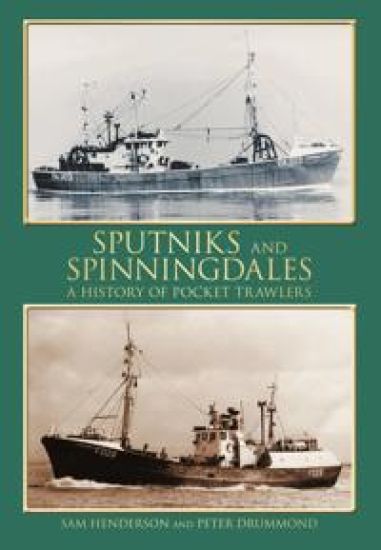
‘Sputnik trawler’ is a nickname given to two classes of series-built side trawlers. In the mid to late 1950s and early 1960s, these new and revolutionary boats were intended to replace ageing steam trawlers. The little workhorses had to combat the inevitable prejudice against something ground-breaking and also the torrid economic state of the trawling industry in the 1960s. Inevitably, there were casualties. However, removed from their intended role as mini-side trawlers based at the main trawling ports, the sputniks began to turn in some fine performances for skippers belonging to the inshore ports. Sputniks became successful seine netters, pelagic trawlers and scallop dredgers, their performance often enhanced in later years by extensive rebuilding, which left fifteen-year-old vessels looking like brand new boats. Against the odds of the 1960s trawling depression, some of the sputniks even did well as side trawlers and spawned the larger ‘Spinningdale’ trawlers. The Spinningdales proved an exceptional success as side trawlers and their design was every bit as capable of being adapted to other forms of fishing as the sputniks. Some of the Spinningdales were built as outstandingly successful seiner/trawlers for inshore fishing, where they were later joined by many sister vessels following the demise of the trawling industry. This book is a memorial to the sputniks and Spinningdales, with brief histories and photographs, and some fine fishermen’s anecdotes about the multitude of things these boats did during some of the best years the fishing industry will ever know.
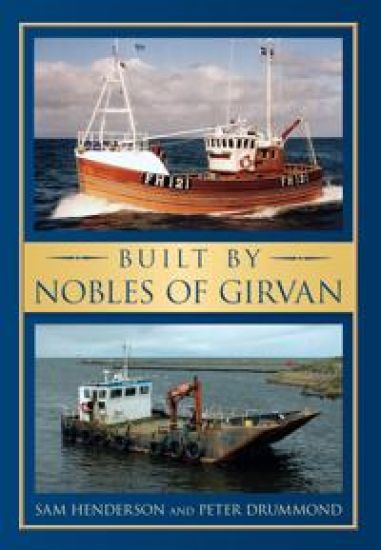
Built by Nobles of Girvan gives a wonderfully comprehensive account of one of Scotland’s finest boat-building companies –Alexander Noble & Sons Ltd of Girvan – from its founding in 1946 to the present-day. The phrase ‘Built by Nobles of Girvan’ is synonymous with the construction of finely crafted wooden fishing vessels – in particular some wonderfully elegant and successful ring netters – yet to think of the yard as a builder of ringers only is to deny it its versatility. While the ringers take pride of place in this book it also covers the other types of fishing vessels built in Girvan, including forty-footers, seiners and trawlers as well as the yard’s diversification into construction, using steel, of both fishing and non-fishing boats. This book is the master list of Nobles’ fishing boats. It records the main dimensions of each boat, the major changes which took place during her lifetime and her ultimate fate. The history of the yard is covered in an insightful introduction which includes some fine fishermen’s tales of big catches and happy days spent fishing, as well as detailing the other activities that took place there such as that of maintenance and repair work. Featuring over 180 photographs, many previously unpublished and from the Nobles archives, each fishing vessel is illustrated by at least one image, allowing readers the incredible opportunity to revisit the grand sight of a varnished Nobles boat in her heyday.
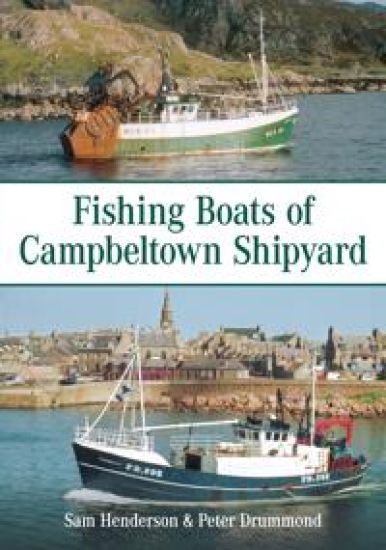
The boatbuilding industry has always had its ups and downs, reflecting the changing fortunes of the fishing industry. This work offers an account of the Campbeltown Shipyard, that diversified its boatbuilding activities in order to survive but competition from foreign yards moved into a new dimension from the mid-nineties onwards.
The hills of Scotland are a significant part of the landscape and the names of these hills reflect the social and cultural history of Scotland over the past 500 years and those who have been there. This book explains the origin and the meaning of the names of Scotland's hills, as well as how to pronounce them.