

Kirjailija
Peter Kenez
Kirjat ja teokset yhdessä paikassa: 19 kirjaa, julkaisuja vuosilta 1985–2024, suosituimpiin kuuluu Varieties of Fear. Vertaile teosten hintoja ja tarkista saatavuus suomalaisista kirjakaupoista.
19 kirjaa
Kirjojen julkaisuvuodet: 1985–2024.
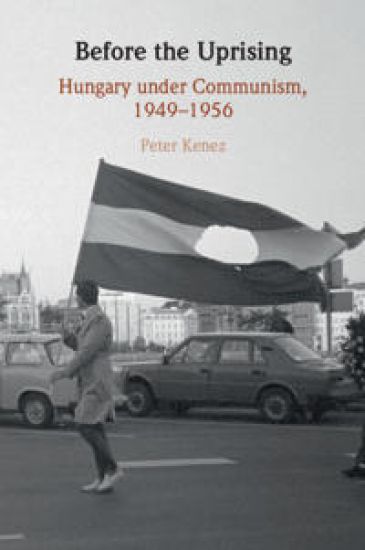
The years of 1949-1956 could be described as the gloomiest in modern Hungarian history, as the country's population lived under vicious totalitarian leadership. Eventually, the regime began to disintegrate, leading to the 1956 Hungarian Revolution - a critical moment in the history of the Cold War. But why did this revolution occur in Hungary, rather than any other countries in the Soviet bloc? Before the Uprising examines the specific social, economic, political, and intellectual characteristics of a totalitarian country. Throughout the volume, Peter Kenez questions what the necessary components of totalitarianism are: whether it is a complete state control of the economy, a personality cult of the leader, or a specific type of propaganda organization. By describing the totalitarianism of the past, this volume show what we can learn for the present, and what to expect from the emerging autocracies of the future.
The years of 1949-1956 could be described as the gloomiest in modern Hungarian history, as the country's population lived under vicious totalitarian leadership. Eventually, the regime began to disintegrate, leading to the 1956 Hungarian Revolution - a critical moment in the history of the Cold War. But why did this revolution occur in Hungary, rather than any other countries in the Soviet bloc? Before the Uprising examines the specific social, economic, political, and intellectual characteristics of a totalitarian country. Throughout the volume, Peter Kenez questions what the necessary components of totalitarianism are: whether it is a complete state control of the economy, a personality cult of the leader, or a specific type of propaganda organization. By describing the totalitarianism of the past, this volume show what we can learn for the present, and what to expect from the emerging autocracies of the future.

The Soviet Union was created as uch by the Civil War as by the revolutions of 1917; indeed, the revolutions and hte struggle which followed them are inseparable. Perhaps communism in Russia would have evolved differently had the bitter necessities of the Civil War not force the regime to develop features which had nothing to do with the Marxist ideology. Aside from the obvious historical significance of the Civil War, it is also a subject with great intrinsic interest: modern European history provides no better example of anarchy and its effects on social institutions and on human beings. The approach which is followed her is tha of a case study. Extrapolating from one part of Russia to the entire country is perhaps the best way to become aware of the many different issues that were at stake and of the difficulty in reducing the problems of the Civil War to simple formulae. South Russia is of special interest because it is a microcosm in which one can see most of the ills of Russia and because the events there were of great importance: it was in South Russia that foreign intervention assumed greatest magnitude; there the Whites put in their field their most substantial and persistent armies; and perhaps nowhere else di the anti-Bolshevik movement suffer more from dissension and from competing claims of national minorities. Kenez contends that the events of 1918 contained the seeds of ultimate disaster for the Whites. While the soldiers of the Volunteer Army showed exceptional valor and the generals proved themselves able military leaders, they failed politically. Because Denikin and his fellow leaders wrongly believed that politics could simply be avoided, they did not develop a positive program. They also failed to bring unity to eh anti-Bolshevik camp. It would have required a common ideology and exceptional wisdom to rise above the petty issues which separated the competing anti-Bolshevik groups, and the leader of the Whites processed neither. This title is part of UC Press's Voices Revived program, which commemorates University of California Press's mission to seek out and cultivate the brightest minds and give them voice, reach, and impact. Drawing on a backlist dating to 1893, Voices Revived makes high-quality, peer-reviewed scholarship accessible once again using print-on-demand technology. This title was originally published in 1971.
The Soviet Union was created as uch by the Civil War as by the revolutions of 1917; indeed, the revolutions and hte struggle which followed them are inseparable. Perhaps communism in Russia would have evolved differently had the bitter necessities of the Civil War not force the regime to develop features which had nothing to do with the Marxist ideology. Aside from the obvious historical significance of the Civil War, it is also a subject with great intrinsic interest: modern European history provides no better example of anarchy and its effects on social institutions and on human beings. The approach which is followed her is tha of a case study. Extrapolating from one part of Russia to the entire country is perhaps the best way to become aware of the many different issues that were at stake and of the difficulty in reducing the problems of the Civil War to simple formulae. South Russia is of special interest because it is a microcosm in which one can see most of the ills of Russia and because the events there were of great importance: it was in South Russia that foreign intervention assumed greatest magnitude; there the Whites put in their field their most substantial and persistent armies; and perhaps nowhere else di the anti-Bolshevik movement suffer more from dissension and from competing claims of national minorities. Kenez contends that the events of 1918 contained the seeds of ultimate disaster for the Whites. While the soldiers of the Volunteer Army showed exceptional valor and the generals proved themselves able military leaders, they failed politically. Because Denikin and his fellow leaders wrongly believed that politics could simply be avoided, they did not develop a positive program. They also failed to bring unity to eh anti-Bolshevik camp. It would have required a common ideology and exceptional wisdom to rise above the petty issues which separated the competing anti-Bolshevik groups, and the leader of the Whites processed neither. This title is part of UC Press's Voices Revived program, which commemorates University of California Press's mission to seek out and cultivate the brightest minds and give them voice, reach, and impact. Drawing on a backlist dating to 1893, Voices Revived makes high-quality, peer-reviewed scholarship accessible once again using print-on-demand technology. This title was originally published in 1971.

The Russian Civil War, a multifaceted struggle between the Bolsheviks and their opponents, offers a profound lens into the dynamics of power, ideology, and societal upheaval. At its core, the war was more than a military contest—it was a political battle for the hearts and minds of a fragmented nation. While the Bolsheviks demonstrated superior political strategy, organization, and adaptability, the Whites floundered due to their inability to construct effective institutions or garner widespread legitimacy. This failure, compounded by their reliance on outdated systems and resistance to political engagement, critically undermined their capacity to govern and mobilize support. Despite the seeming advantages of Allied aid and a pool of experienced administrators, the Whites' internal divisions and lack of cohesive vision rendered their efforts increasingly ineffectual. This study delves into the political, administrative, and ideological shortcomings of the White movement, particularly in South Russia, as it evolved from initial optimism to ultimate collapse. By examining the policies, social structures, and leadership dynamics within the White territories, the analysis reveals a pattern of disconnection between central authority and local implementation. Through a comparative approach, the book highlights how the Bolsheviks' ability to align their actions with the aspirations of the masses starkly contrasted with the Whites' entrenched elitism and detachment. While military operations and Allied involvement feature as important elements, the primary focus lies on the political dimensions and institutional weaknesses that defined the conflict and determined its outcome. Ultimately, the Whites' defeat underscores the essential interplay of legitimacy, force, and political engagement in shaping the trajectory of civil wars. This title is part of UC Press's Voices Revived program, which commemorates University of California Press’s mission to seek out and cultivate the brightest minds and give them voice, reach, and impact. Drawing on a backlist dating to 1893, Voices Revived makes high-quality, peer-reviewed scholarship accessible once again using print-on-demand technology. This title was originally published in 1977.

The Russian Civil War, a multifaceted struggle between the Bolsheviks and their opponents, offers a profound lens into the dynamics of power, ideology, and societal upheaval. At its core, the war was more than a military contest—it was a political battle for the hearts and minds of a fragmented nation. While the Bolsheviks demonstrated superior political strategy, organization, and adaptability, the Whites floundered due to their inability to construct effective institutions or garner widespread legitimacy. This failure, compounded by their reliance on outdated systems and resistance to political engagement, critically undermined their capacity to govern and mobilize support. Despite the seeming advantages of Allied aid and a pool of experienced administrators, the Whites' internal divisions and lack of cohesive vision rendered their efforts increasingly ineffectual. This study delves into the political, administrative, and ideological shortcomings of the White movement, particularly in South Russia, as it evolved from initial optimism to ultimate collapse. By examining the policies, social structures, and leadership dynamics within the White territories, the analysis reveals a pattern of disconnection between central authority and local implementation. Through a comparative approach, the book highlights how the Bolsheviks' ability to align their actions with the aspirations of the masses starkly contrasted with the Whites' entrenched elitism and detachment. While military operations and Allied involvement feature as important elements, the primary focus lies on the political dimensions and institutional weaknesses that defined the conflict and determined its outcome. Ultimately, the Whites' defeat underscores the essential interplay of legitimacy, force, and political engagement in shaping the trajectory of civil wars. This title is part of UC Press's Voices Revived program, which commemorates University of California Press’s mission to seek out and cultivate the brightest minds and give them voice, reach, and impact. Drawing on a backlist dating to 1893, Voices Revived makes high-quality, peer-reviewed scholarship accessible once again using print-on-demand technology. This title was originally published in 1977.
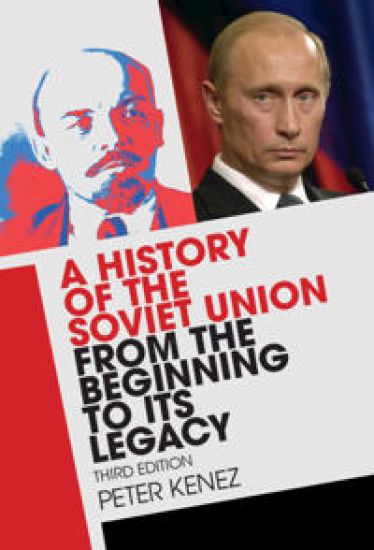
A History of the Soviet Union from the Beginning to its Legacy
Peter Kenez
Cambridge University Press
2016
sidottu
This concise yet comprehensive textbook examines political, social, and cultural developments in the Soviet Union and the post-Soviet period. It begins by identifying the social tensions and political inconsistencies that spurred radical change in Russia's government, from the turn of the century to the revolution of 1917. Peter Kenez presents this revolution as a crisis of authority that the creation of the Soviet Union resolved. The text traces the progress of the Soviet Union through the 1920s, the years of the New Economic Policies, and into the Stalinist order. It illustrates how post-Stalin Soviet leaders struggled to find ways to rule the country without using Stalin's methods - but also without openly repudiating the past - and to negotiate a peaceful but antipathetic coexistence with the capitalist West. This updated third edition includes substantial new material, discussing the challenges Russia currently faces in the era of Putin.
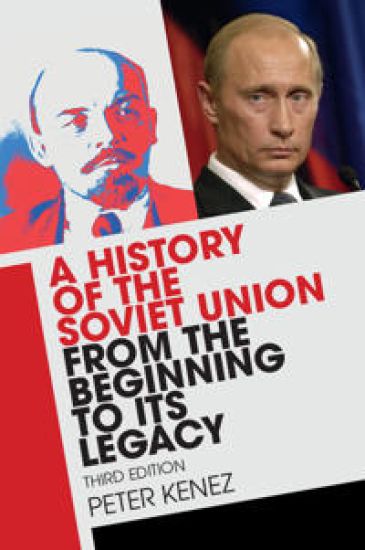
A History of the Soviet Union from the Beginning to its Legacy
Peter Kenez
Cambridge University Press
2016
pokkari
Halvin toimitettuna 45,30 €
This concise yet comprehensive textbook examines political, social, and cultural developments in the Soviet Union and the post-Soviet period. It begins by identifying the social tensions and political inconsistencies that spurred radical change in Russia's government, from the turn of the century to the revolution of 1917. Peter Kenez presents this revolution as a crisis of authority that the creation of the Soviet Union resolved. The text traces the progress of the Soviet Union through the 1920s, the years of the New Economic Policies, and into the Stalinist order. It illustrates how post-Stalin Soviet leaders struggled to find ways to rule the country without using Stalin's methods - but also without openly repudiating the past - and to negotiate a peaceful but antipathetic coexistence with the capitalist West. This updated third edition includes substantial new material, discussing the challenges Russia currently faces in the era of Putin.
The Coming of the Holocaust aims to help readers understand the circumstances that made the Holocaust possible. Peter Kenez demonstrates that the occurrence of the Holocaust was not predetermined as a result of modern history but instead was the result of contingencies. He shows that three preconditions had to exist for the genocide to take place: modern anti-Semitism, meaning Jews had to become economically and culturally successful in the post-French Revolution world to arouse fear rather than contempt; an extremist group possessing a deeply held, irrational, and profoundly inhumane worldview had to take control of the machinery of a powerful modern state; and the context of a major war with mass killings. The book also discusses the correlations between social and historical differences in individual countries regarding the success of the Germans in their effort to exterminate Jews.
The Coming of the Holocaust aims to help readers understand the circumstances that made the Holocaust possible. Peter Kenez demonstrates that the occurrence of the Holocaust was not predetermined as a result of modern history but instead was the result of contingencies. He shows that three preconditions had to exist for the genocide to take place: modern anti-Semitism, meaning Jews had to become economically and culturally successful in the post-French Revolution world to arouse fear rather than contempt; an extremist group possessing a deeply held, irrational, and profoundly inhumane worldview had to take control of the machinery of a powerful modern state; and the context of a major war with mass killings. The book also discusses the correlations between social and historical differences in individual countries regarding the success of the Germans in their effort to exterminate Jews.
This 2006 book describes in detail the establishment of a Communist regime in Hungary. Hungary was the last ally of Nazi Germany, and as such suffered dreadful destruction in the course of the fighting during the last year of the war. The war discredited the political and social elite and gave opportunity for a new beginning. Early optimism in democratic circles, however, quickly dissipated. With the help of the Soviet Army, the Communists, who had negligible indigenous support, in a short time managed to destroy any organized opposition to their taking power. In this concise book, which is based on archival and other primary sources, Peter Kenez describes the methods of Communist conquest of power in one country in Eastern Europe and therefore allows us to better understand the origin of the Cold War.

This 2006 book describes in detail the establishment of a Communist regime in Hungary. Hungary was the last ally of Nazi Germany, and as such suffered dreadful destruction in the course of the fighting during the last year of the war. The war discredited the political and social elite and gave opportunity for a new beginning. Early optimism in democratic circles, however, quickly dissipated. With the help of the Soviet Army, the Communists, who had negligible indigenous support, in a short time managed to destroy any organized opposition to their taking power. In this concise book, which is based on archival and other primary sources, Peter Kenez describes the methods of Communist conquest of power in one country in Eastern Europe and therefore allows us to better understand the origin of the Cold War.
The story of Soviet film over the period covered by Peter Kenez is central to the history of World Cinema. In this updated edition of his classic text, Kenez covers the roots of Soviet cinema in the film heritage of pre-Revolutionary Russia, tracing the changes generated by the Revolution of 1917.
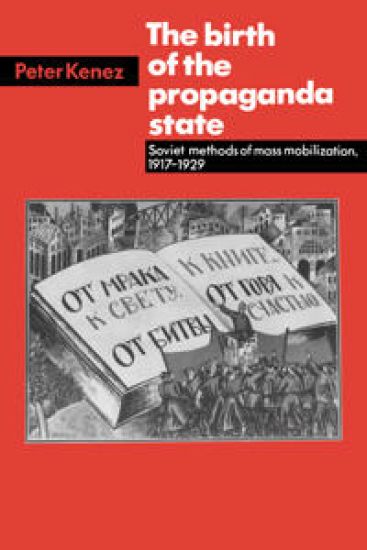
In this comprehensive study of the early development of the Soviet propaganda system, Peter Kenez describes how the Bolshevik Party went about reaching the Russian people. Throughout this book, Kenez is more concerned with the experience of the Soviet people than with high-level politics. The book is both a major contribution to our understanding of the genius of the Soviet state, and of the nature of propaganda in the modern world.