Kirjojen hintavertailu – 12 859 828 kirjaa ja 27 kauppaa

Kirjailija

Peter Krapp

Kirjat ja teokset yhdessä paikassa: 4 kirjaa, julkaisuja vuosilta 2002–2024, suosituimpiin kuuluu Computing Legacies. Vertaile teosten hintoja ja tarkista saatavuus suomalaisista kirjakaupoista.

4 kirjaa

Kirjojen julkaisuvuodet: 2002–2024.

Computing Legacies

Computing Legacies

Peter Krapp

MIT PRESS LTD
2024
nidottu
A media history of simulation that contextualizes our digital heritage and the history of computing. In Computing Legacies, Peter Krapp explores a media history of simulation to excavate three salient aspects of digital culture. First, it profiles simulation as cultural technique, enabling symbolic work and foregrounding hypothetical literacy. Secondly, it positions simulation as crucial for the preservation of cultural memory, where modeling, emulation, and serious play are constitutive in how we relate to our mediated history. And lastly, despite suggestions that we may already live in a simulation, it interrogates how simulation can serve as critique of the computer age. In tracing our digital heritage, Computing Legacies elucidates inflection points where quantitative data becomes tractable for qualitative evaluations: modeling epidemics for scientific study or entertainment, emulating older devices, turning numerical calculations into music, conducting espionage in virtual worlds, and gamifying higher education. Simulation, this book demonstrates, is pivotal not only to high-tech research or to archives, museums, and the preservation of digital culture, but also to our understanding of what it is to live and work under the technical conditions of computing.
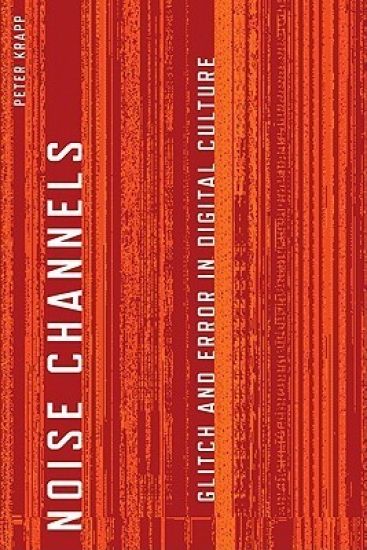
Noise Channels

Noise Channels

Peter Krapp

University of Minnesota Press
2011
nidottu
To err is human; to err in digital culture is design. In the glitches, inefficiencies, and errors that ergonomics and usability engineering strive to surmount, Peter Krapp identifies creative reservoirs of computer-mediated interaction. Throughout new media cultures, he traces a resistance to the heritage of motion studies, ergonomics, and efficiency; in doing so, he shows how creativity is stirred within the networks of digital culture. Noise Channels offers a fresh look at hypertext and tactical media, tunes into laptop music, and situates the emergent forms of computer gaming and machinima in media history. Krapp analyzes text, image, sound, virtual spaces, and gestures in noisy channels of computer-mediated communication that seek to embrace-rather than overcome-the limitations and misfires of computing. Equally at home with online literature, the visual tactics of hacktivism, the recuperation of glitches in sound art, electronica, and videogames, or machinima as an emerging media practice, he explores distinctions between noise and information, and how games pivot on errors at the human–computer interface. Grounding the digital humanities in the conditions of possibility of computing culture, Krapp puts forth his insight on the critical role of information in the creative process.
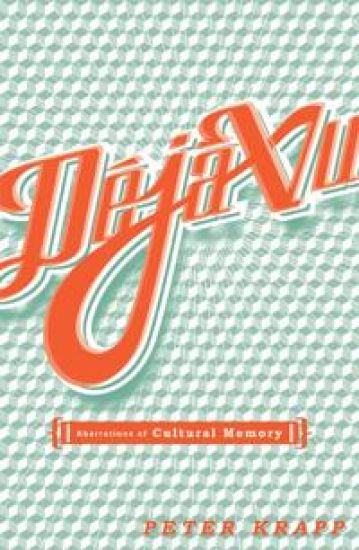
Deja Vu

Deja Vu

Peter Krapp

University of Minnesota Press
2004
nidottu
The pitfalls of cultural memory and forgetting, understood through the genealogy of the phenomenon called dÉjÀ vuReferring to a past that never was, dÉjÀ vu shares a structure not only with fiction, but also with the ever more sophisticated effects of media technology. Tracing the term from the end of the nineteenth century, when it was first popularized in the pages of the Revue philosophique, Peter Krapp examines the genealogy and history of the singular and unrepeatable experience of dÉjÀ vu. This provocative book offers a refreshing counterpoint to the clichÉd celebrations of cultural memory and forces us do a double take on the sanctimonious warnings against forgetting so common in our time. Disturbances of cultural memory-screen memories, false recognitions, premonitions-disrupt the comfort zone of memorial culture: strictly speaking, dÉjÀ vu is neither a failure of memory nor a form of forgetting. Krapp’s analysis of such disturbances in literature, art, and mass media introduces, historicizes, and theorizes what it means to speak of an economy of attention or distraction. Reaching from the early psychoanalytic texts of Sigmund Freud to the plays of Heiner MÜller, this exploration of the effects of dÉjÀ vu pivots around the work of Walter Benjamin and includes readings of kitsch and aura in Andy Warhol’s work, of cinematic violence and certain exaggerated claims about shooting and cutting, of the memorial character of architecture, and of the high expectations raised by the Internet.
Medium Cool

Medium Cool

Andrew McNamara; Peter Krapp

Duke University Press
2002
pokkari
Andrew McNamara seeks to scrutinize the role of the medium in areas as diverse as modernist, contemporary, and avant-garde art, photography, cinema, and architecture, as well as in the more familiar guises of electronic media including television and computer games.