Kirjojen hintavertailu – 12 903 725 kirjaa ja 27 kauppaa

Kirjailija

Peter Liljedahl

Kirjat ja teokset yhdessä paikassa: 15 kirjaa, julkaisuja vuosilta 2008–2026, suosituimpiin kuuluu Matematikopgaver til Det tænkende klasserum. Vertaile teosten hintoja ja tarkista saatavuus suomalaisista kirjakaupoista.

15 kirjaa

Kirjojen julkaisuvuodet: 2008–2026.

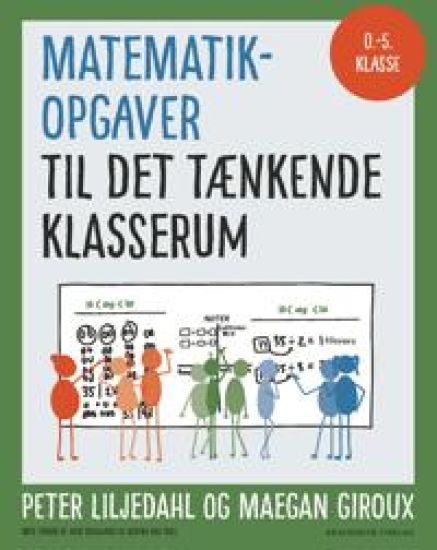
Matematikopgaver til Det tænkende klasserum

Matematikopgaver til Det tænkende klasserum

Maegan Giroux; Peter Liljedahl

Lindhardt og Ringhof
2026
nidottu
"Matematikopgaver til Det tænkende klasserum – 0.-5. klasse" er en bog til praksis og en naturlig efterfølger til Peter Liljedahls populære bog "Det tænkende klasserum i matematik – 14 praksisser til bedre læring". Bogen giver konkret vejledning i og inspiration til at udvikle matematikundervisningen og til at skabe dynamiske læringsrum, hvor elevernes tænkning er i fokus, og hvor fagets indholdsområder sammentænkes på eksemplarisk vis. Gennem 20 opgaver med ubestemt fagligt indhold og 30 opgaver med bestemt fagligt indhold får du: vejledning i at vælge opgaver, der understøtter specifikt fagligt indhold og matematiske handle- og tænkemåder konkrete trin til at igangsætte og facilitere arbejdet med hver opgave eksempler på elevløsninger og forslag til hints, der stimulerer tænkningen forslag til konsolidering, elevnoter og ”afprøv-din-forståelse-opgaver” for hver opgavesekvens forfatternes refleksioner over opgaverne. Desuden rummer bogen gode råd til, hvordan man selv kan udvikle og finde opgaver, samt svar på ofte stillede spørgsmål. Den henvender sig til både nye og erfarne lærere i arbejdet med Det tænkende klasserum.
Matematikkoppgaver for tenkende klasserom

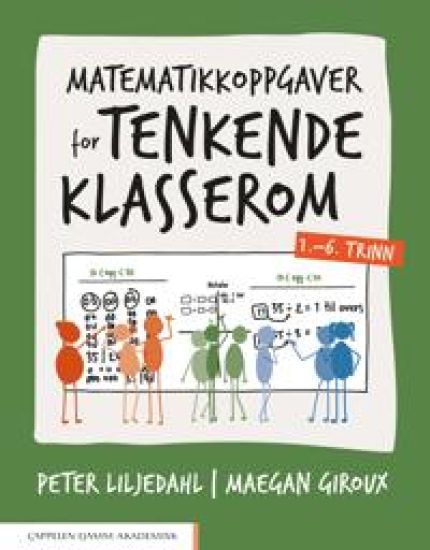
Matematikkoppgaver for tenkende klasserom

Peter Liljedahl; Maegan Giroux; Kjersti Wæge

Cappelen Damm akademisk
2024
nidottu
Enten du er ny eller erfaren innen tenkende klasserom, vil denne boka hjelpe deg med å forvandle tradisjonelle klasserom til dynamiske og tankevekkende læringsrom. I 2023 kom bokaÅ Bygge tenkende klasserom i matematikk: 14 praksiser ut på norsk. Her presenterer Liljedahl 14 undervisningspraksiser for å bygge et tenkende klasserom i matematikk, og han viser hvordan man kan få elevene til å tenke selvstendig, arbeide undersøkende og diskutere mulige løsninger sammen. I denne nye boka finner du massevis av matematiske oppgaver som er prøvd ut i forskjellige klasserom med ekte elever, og som har vist seg å skape engasjement og samtidig endrer måten elevene tenker og lærer på. Men boka er mye mer enn en samling av gode tenkeoppgaver. Den går dypere inn i implementeringen av de 14 praksisene. Gjennom alle oppgavene som brukes som modeller, hjelper denne boka deg blant annet med åvelge oppgaver som fremmer kompetanser du ønsker at elevene dine skal byggeveilede deg gjennom alle trinnene for hver oppgavedele eksempler på mulige elevløsninger sammen med hint du kan gi for å hjelpe elevens tenkningformidle forfatternes refleksjoner rundt oppgaveneEnten du har lest grunnboka Å Bygge tenkende klasserom i matematikk: 14 praksisereller ikke, vil du ha utbytte av denne boka. Og den vil passe for deg om du vet mye, lite eller ingenting om tenkende klasserom. Boka henvender seg også til deg som ikke er lærer – for eksempel utdannere, studenter og andre som trenger oppgaver for å kunne introdusere og presentere et best mulig og mest mulig autentisk bilde av tenkende klasserom.
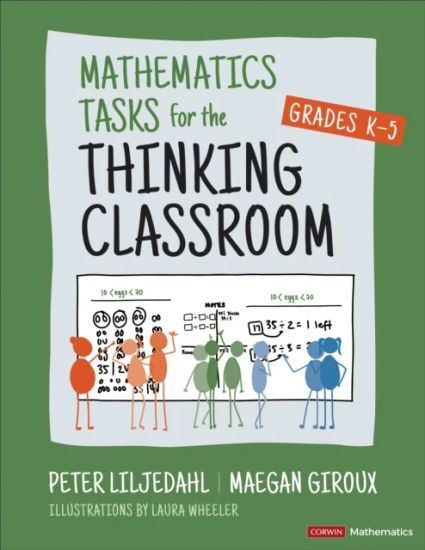
Mathematics Tasks for the Thinking Classroom, Grades K-5

Mathematics Tasks for the Thinking Classroom, Grades K-5

Peter Liljedahl; Maegan Giroux

SAGE PUBLICATIONS INC
2024
nidottu

Halvin toimitettuna 39,40 €

Practical and proven math tasks to maximize student thinking and learning Building upon the blockbuster success of Building Thinking Classrooms in Mathematics, Peter Liljedahl has joined forces with co-author Maegan Giroux to bring the Building Thinking Classrooms (BTC) framework to life in this new book, Mathematics Tasks for the Thinking Classroom, Grades K-5. But this book is so much more than simply a collection of good thinking tasks. It delves deeper into the implementation of the 14 practices from the BTC framework by updating the practices with the newest research, and focusing on the practice through the lens of rich math tasks that address specific mathematical learning outcomes or standards. Across the 20 non-curricular tasks and 30 curricular tasks used as models, this book: Helps you choose tasks to fit your particular math standards, goals, and the competencies you want your students to buildWalks you through all the steps and scripts to launch, facilitate, and consolidate each taskShares examples of possible student solutions along with hints you might offer to help their thinking alongOffers tasks for consolidation, example notes to my future forgetful self, and mild, medium, and spicy check-your-understanding questions (CYUs) for every thin sliced sequences of curricular tasksImparts reflections from the authors on each task The book closes with specific guidance on how to find more tasks or craft your own non-curricular and curricular tasks, along with answers to educators’ frequently asked questions. It includes access to a companion website that includes downloadables and a task template for creating your own tasks. Whether you are new to BTC or a seasoned user, Mathematics Tasks for the Thinking Classroom, Grades K-5 will help teachers, coaches, and specialists transform traditional math classrooms into dynamic and thought-provoking learning spaces.
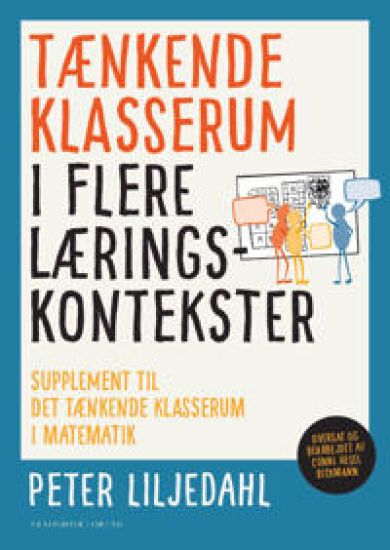
Tænkende klasserum i flere læringskontekster

Tænkende klasserum i flere læringskontekster

Peter Liljedahl

Lindhardt og Ringhof
2023
nidottu
Det tænkende klasserum – 14 praksisser til bedre læring har allerede inspireret tusindvis af matematiklærere til en undervisning, der fanger elevernes interesse på en helt ny måde, og som samtidig styrker deres selvstændige tænkning. Bogens didaktiske tilgang er relevant i de fleste læringskontekster, men nogle kræver tilpasninger. Bogen her viser, hvordan du kan tage højde for særlige forhold som fx elever i særlige læringsvanskeligheder, en-til-en undervisning, små klasser og elever, der undervises online. Du får konkrete ideer og inspiration til at styrke dine elevers læring i netop den kontekst, de befinder sig i. Bogen præsenterer de forskellige undervisnings- og læringssituationer i fem dele: • Læringsstøtte til elever i matematikvanskeligheder • Særlige fysiske rammer • Virtuel undervisning • Hybrid undervisning • Hjemmeundervisning. Tænkende klasserum i flere læringskontekster er et supplement til praksisserne i Det tænkende klasserum, men kan også læses som dit første møde med dem. Bogen er oversat og bearbejdet af Conni Hesel Rickmann efter Modifying Your Thinking Classroom for Different Settings.
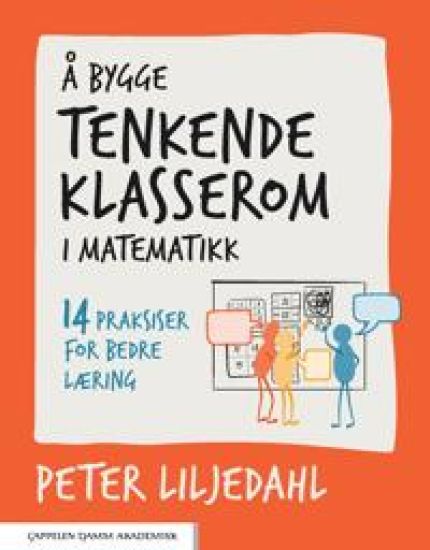
Å bygge tenkende klasserom i matematikk

Å bygge tenkende klasserom i matematikk

Peter Liljedahl

Cappelen Damm akademisk
2023
nidottu
Hvordan kan du skape en engasjerende, motiverende og spennende matematikkundervisning hvor elevene får samarbeide og kommunisere om matematikk? I denne boka presenterer Peter Liljedahl 14 undervisningspraksiser som vil hjelpe deg med å bygge et tenkende klasserom. Du vil få innsikt i hvordan du kan få elevene til å tenke selvstendig, arbeide undersøkende og diskutere mulige løsninger sammen. Forfatteren gir deg konkrete tips til blant annet inndeling i grupper, bruk av vertikale tavler, nye måter å innrede klasserommet på, ulike oppgavetyper og måter å stille spørsmål på. I matematikkundervisningen er det en tendens til at læreren viser elevene hvordan de kan løse oppgavene. Det fører til at elevene kopierer lærerens framgangsmåte framfor å tenke selv. Liljedahl er opptatt av at oppgavetypene elevene jobber med, og ikke minst hvordan læreren veileder i arbeidet med disse oppgavene, har stor betydning. Et tenkende klasserom gir elevene muligheter til å tenke og resonnere i matematikk, både individuelt og kollektivt. Elevene lærer sammen, og de utvikler forståelse i matematikk gjennom aktiviteter og diskusjoner. Forfatteren beskriver praksiser og aktiviteter som fremmer elevenes tenkning, rikt illustrert med eksempler fra egen forskning. Gjennom bokas praktiske tilnærming og metode vil du få et solid fundament til å kunne bygge tenkende klasserom.
Building Thinking Classrooms in Mathematics, Grades K-12 Australia edition
A thinking student is an engaged student Sparked by observing teachers struggle to implement rich mathematics tasks to engage students in deep thinking, Peter Liljedahl has translated his 15 years of research into this practical guide on how to move toward a thinking classroom. Building Thinking Classrooms in Mathematics, Grades K-12 helps teachers implement 14 optimal practices for thinking that create an ideal setting for deep mathematics learning to occur. This guide Provides the what, why, and how of each practice Includes firsthand accounts of how these practices foster thinking Offers a plethora of macro moves, micro moves, and rich tasks to get started
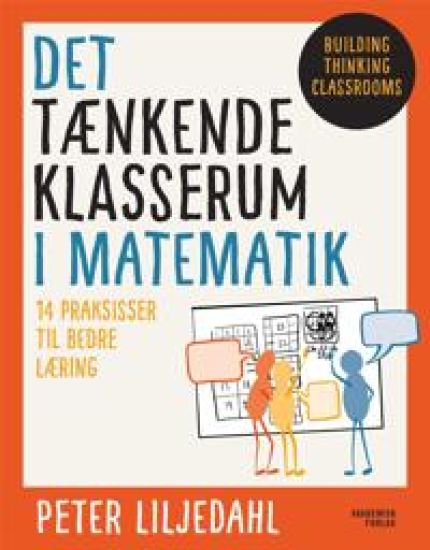
Det tænkende klasserum i matematik

Det tænkende klasserum i matematik

Peter Liljedahl

Lindhardt og Ringhof
2022
nidottu
I matematik er der en tendens til, at læreren viser eleverne, hvordan de kan løse opgaverne. Det tilskynder eleverne til at kopiere lærerens fremgangsmåde frem for at tænke selv. Denne bog præsenterer 14 praksisser, der ændrer undervisningen og får eleverne til at tænke selvstændigt, arbejde undersøgende og diskutere mulige løsninger sammen. Peter Liljedahl giver konkrete nye bud på klasserummets indretning, gruppedannelse, brug af whiteboards, måder at stille spørgsmål og opgaver, give lektier for og evaluere på. Og du skal ikke ændre alt i din undervisning på én gang. Bogen guider dig igennem fire faser, der gradvist kommer til at ændre og styrke dine elevers læring i matematik.
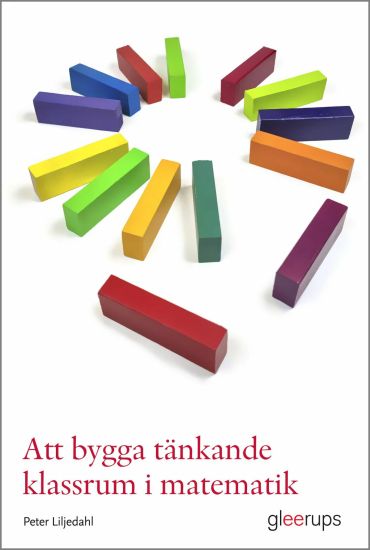
Att bygga tänkande klassrum i matematik

Att bygga tänkande klassrum i matematik

Peter Liljedahl

Gleerups Utbildning AB
2022
nidottu
En tänkande elev är en engagerad elev. I den här boken har den kanadensiska läraren och forskaren Peter Liljedahl samlat erfarenheterna från femton års forskning. Resultatet är en praktisk vägledning i att steg för steg skapa en miljö för ett tänkande och lärande som sätter eleven i centrum – ett tänkande klassrum i matematik. Det handlar om att utmana de normer och vanor som genomsyrar många av dagens klassrum och som bidrar till att eleverna slutar att tänka. Boken är en djupgående och kärnfull genomgång av vad det innebär att undervisa, lära och utvärdera i ett tänkande klassrum. I allt från hur man möblerar klassrum till hur man ställer frågor, från vem som ska hålla i pennan till hur man främjar ihärdighet och uthållighet, skapar författaren en grund för ett genuint engagemang för matematik hos elever i alla åldrar. Med hjälp av fjorton metoder visar författaren hur lärare i grundskola och gymnasium kan åstadkomma stora förändringar i elevernas engagemang och lärande. Peter Liljedahl är professor i matematikdidaktik vid Simon Fraser University i Vancouver, Kanada. Han är tidigare matematiklärare på gymnasienivå och har uppmärksammats mycket för sin forskning. Att bygga tänkande klassrum i matematik är den första bok av honom som ges ut på svenska. Översättning: Maria Åsard Fackgranskning: Maria Johansson”Att skapa ett tänkande klassrum eller att förändra en undervisningsmiljö i matematik är en stor utmaning, ändå är det inte en utopi. Med stöd i omfattande klassrumsstudier visar Peter Liljedahl hur vi med relativt små steg kan åstadkomma stor förändring i klassrummet.” Maria Johansson, biträdande professor vid Luleå tekniska universitet och fackgranskare till boken.
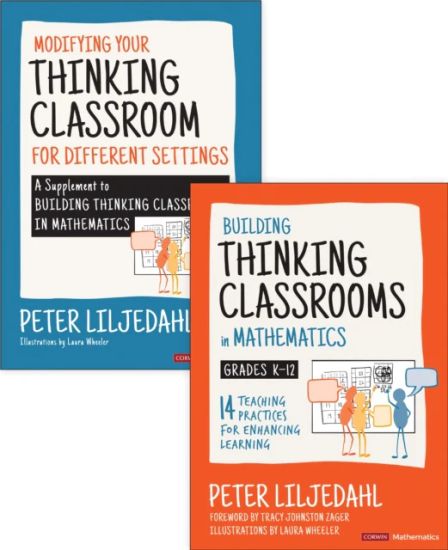
BUNDLE: Liljedahl: Building Thinking Classrooms in Mathematics, Grades K-12 + Liljedahl: Modifying Your Thinking Classroom for Different Settings
This bundle includes Liljedahl's bestselling anchor book Building Thinking Classrooms in Mathematics, Grades K-12 and his new supplement title Modifying Your Thinking Classroom for Different Settings. Much of what happens in math classrooms today is guided by institutional norms laid down at the inception of an industrial-age model of public education. These norms have enabled a culture of teaching and learning that is often devoid of student thinking. Building Thinking Classrooms presents the results of over 15 years of research into which teaching practices are effective for getting students to think and which ones do not. This book takes you through a step-by-step approach that you can use to transform your classroom from a space where students mimic to a space where students think. But how do these practices work in a classroom with social distancing or in settings that are not always face-to-face? The follow-up supplement, Modifying Your Thinking Classroom for Different Settings, will answer those questions, and more. It walks teachers through how to adapt the 14 practices for 12 distinct settings, some of which came about as a result of the COVID-19 pandemic.
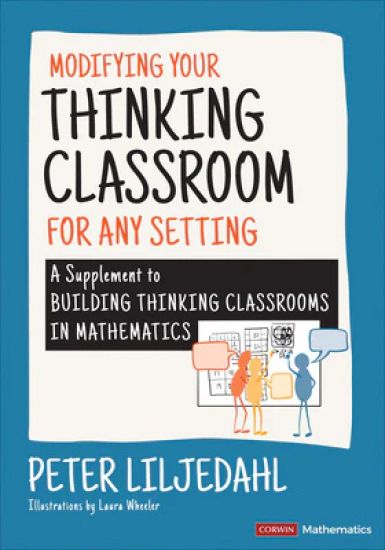
Modifying Your Thinking Classroom for Different Settings

Modifying Your Thinking Classroom for Different Settings

Peter Liljedahl

SAGE PUBLICATIONS INC
2021
nidottu

Halvin toimitettuna 21,70 €

Keep thinking…keep learning in different settings In Peter Liljedahl’s bestselling Building Thinking Classrooms in Mathematics: 14 Teaching Practices for Enhancing Learning, readers discovered that thinking is a precursor to learning. Translating 15 years of research, the anchor book introduced 14 practices that have the most potential to increase student thinking in the classroom and can work for any teacher in any setting. But how do these practices work in a classroom with social distancing or in settings that are not always face-to-face? This follow-up supplement will answer those questions, and more. It walks teachers through how to adapt the 14 practices for 12 distinct settings, some of which came about as a result of the COVID-19 pandemic. This guide: Provides the what, why, and how to adapt each practice in face-to-face settings that require social distancing, fixed seating, or small class sizes; synchronous and asynchronous virtual settings; synchronous and asynchronous hybrid settings; independent learning; and homeschooling. Includes guidance on using thinking classroom practices to support students in unfinished learning in small groups and one-on-one teaching or tutoring. Offers updated toolkits and a recommended order for the implementation of the practices for each of the settings. This supplement allows teachers to dip in as needed and continually modify the practices as their own classroom situations change and evolve, always keeping the thinking at the forefront of their mathematics teaching and learning.
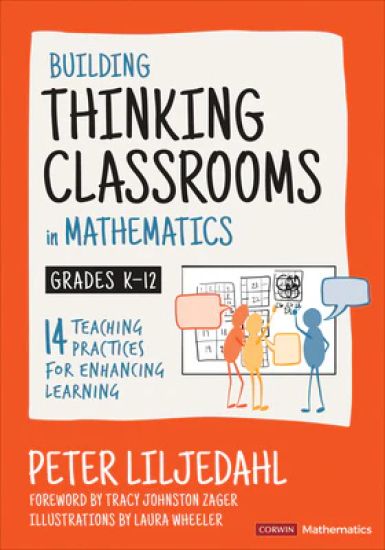
Building Thinking Classrooms in Mathematics, Grades K-12

Building Thinking Classrooms in Mathematics, Grades K-12

Peter Liljedahl

SAGE Publications Inc
2021
nidottu

Halvin toimitettuna 39,40 €

A thinking student is an engaged student Teachers often find it difficult to implement lessons that help students go beyond rote memorization and repetitive calculations. In fact, institutional norms and habits that permeate all classrooms can actually be enabling "non-thinking" student behavior. Sparked by observing teachers struggle to implement rich mathematics tasks to engage students in deep thinking, Peter Liljedahl has translated his 15 years of research into this practical guide on how to move toward a thinking classroom. Building Thinking Classrooms in Mathematics, Grades K–12 helps teachers implement 14 optimal practices for thinking that create an ideal setting for deep mathematics learning to occur. This guide Provides the what, why, and how of each practice and answers teachers’ most frequently asked questionsIncludes firsthand accounts of how these practices foster thinking through teacher and student interviews and student work samplesOffers a plethora of macro moves, micro moves, and rich tasks to get startedOrganizes the 14 practices into four toolkits that can be implemented in order and built on throughout the year When combined, these unique research-based practices create the optimal conditions for learner-centered, student-owned deep mathematical thinking and learning, and have the power to transform mathematics classrooms like never before.
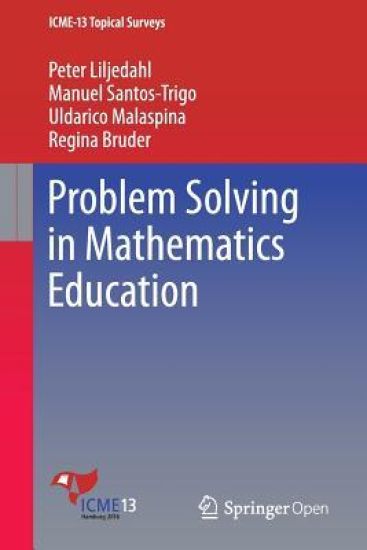
Problem Solving in Mathematics Education

Problem Solving in Mathematics Education

Peter Liljedahl; Manuel Santos-Trigo; Uldarico Malaspina; Regina Bruder

Springer International Publishing AG
2016
nidottu
This survey book reviews four interrelated areas: (i) the relevance of heuristics in problem-solving approaches – why they are important and what research tells us about their use; (ii) the need to characterize and foster creative problem-solving approaches – what type of heuristics helps learners devise and practice creative solutions; (iii) the importance that learners formulate and pursue their own problems; and iv) the role played by the use of both multiple-purpose and ad hoc mathematical action types of technologies in problem-solving contexts – what ways of reasoning learners construct when they rely on the use of digital technologies, and how technology and technology approaches can be reconciled.
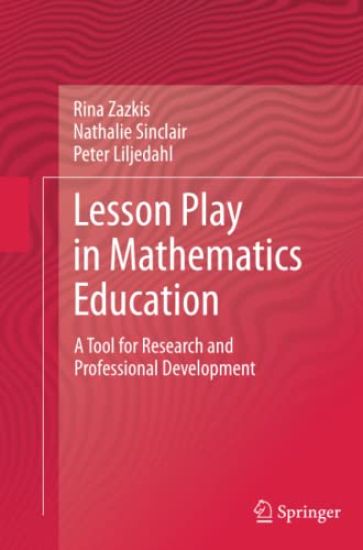
Lesson Play in Mathematics Education:

Lesson Play in Mathematics Education:

Rina Zazkis; Nathalie Sinclair; Peter Liljedahl

Springer-Verlag New York Inc.
2015
nidottu
Lesson play is a novel construct in research and teachers’ professional development in mathematics education. Lesson play refers to a lesson or part of a lesson presented in dialogue form—inspired in part by Lakatos’s evocative Proofs and Refutations—featuring imagined interactions between a teacher and her/his students. We have been using and refining our use of this tool for a number of years and using it in a variety of situations involving mathematics thinking and learning. The goal of this proposed book is to offer a comprehensive survey of the affordances of the tool, the results of our studies—particularly in the area of pre-service teacher education, and the reasons that the tool offers such productive possibilities for both researchers and teacher educators.
Lesson Play in Mathematics Education:

Lesson Play in Mathematics Education:

Rina Zazkis; Nathalie Sinclair; Peter Liljedahl

Springer-Verlag New York Inc.
2012
sidottu
Lesson play is a novel construct in research and teachers’ professional development in mathematics education. Lesson play refers to a lesson or part of a lesson presented in dialogue form—inspired in part by Lakatos’s evocative Proofs and Refutations—featuring imagined interactions between a teacher and her/his students. We have been using and refining our use of this tool for a number of years and using it in a variety of situations involving mathematics thinking and learning. The goal of this proposed book is to offer a comprehensive survey of the affordances of the tool, the results of our studies—particularly in the area of pre-service teacher education, and the reasons that the tool offers such productive possibilities for both researchers and teacher educators.