Kirjojen hintavertailu – 12 903 725 kirjaa ja 27 kauppaa

Kirjailija

Peter Lunt

Kirjat ja teokset yhdessä paikassa: 7 kirjaa, julkaisuja vuosilta 1993–2024, suosituimpiin kuuluu Chinese Social Media. Vertaile teosten hintoja ja tarkista saatavuus suomalaisista kirjakaupoista.

7 kirjaa

Kirjojen julkaisuvuodet: 1993–2024.

Chinese Social Media

Chinese Social Media

Shuhan Chen; Peter Lunt

Emerald Publishing Limited
2021
sidottu
What role does social media play in the lives of Chinese youths as they adapt to the rapid economic and social changes in modern China? This book examines the social media experiences and practices of young middle class Chinese who moved to Beijing to study and with the hope of work and participation in the possibilities of social and professional life. Through an analysis of their use of WeChat we explore their enthusiasm for self-expression online, their mediated social relations (guanxi) with family, friends, classmates and colleagues and their engagement with questions of online civility. The authors argue that sustaining personal and social relationships in the context of China’s modernity, including its soft regulation of internet and social media, demands new norms of positivity and online civility. This is framed by several tensions: between emerging opportunities for freedom of expression and long-standing traditions of social identity and reputation such as face (lian and mianzi); between traditional obligations to parents (xiaoshun) and the desire for personal autonomy; and the pressure to constitute and govern the internet as a space of positive energy and civility in support of national Chinese sovereignty. The social media practices and deliberations of the participants reveal a fascinating amalgam of traditional Chinese culture and philosophy and reflections on tradition and collectivism combined with an embrace of Western-influenced ideas of positive psychology, self-expression, social networks and pragmatic social relations.
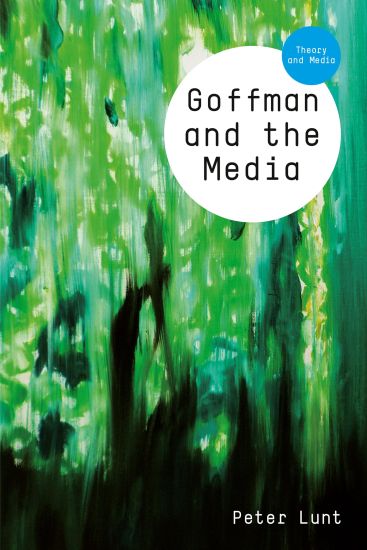
Goffman and the Media

Goffman and the Media

Peter Lunt

JOHN WILEY AND SONS LTD
2024
sidottu
Erving Goffman’s much-loved works are widely cited in media and communication studies. His books have stimulated research on news framing, mass media and social media, inviting new insights about how communication, self, audiences and public life are mediated by, but also transcend, particular technological forms. What explains the continuing relevance of this highly original theorist? In this book, Peter Lunt critically examines how and why the concepts developed by Goffman – face-work and the mediated self, frontstage and backstage, impression management, media frames and logics, footing and interaction rituals – still resonate across the field. Ultimately, Goffman’s sociology emerges not only as an enduring influence, but as a source of new inspiration in our ever more interactive world. Original and incisive, Goffman and the Media is crucial reading for students and scholars encountering this fascinating thinker from a media studies perspective.
Goffman and the Media

Goffman and the Media

Peter Lunt

JOHN WILEY AND SONS LTD
2024
nidottu

Halvin toimitettuna 29,80 €

Erving Goffman’s much-loved works are widely cited in media and communication studies. His books have stimulated research on news framing, mass media and social media, inviting new insights about how communication, self, audiences and public life are mediated by, but also transcend, particular technological forms. What explains the continuing relevance of this highly original theorist? In this book, Peter Lunt critically examines how and why the concepts developed by Goffman – face-work and the mediated self, frontstage and backstage, impression management, media frames and logics, footing and interaction rituals – still resonate across the field. Ultimately, Goffman’s sociology emerges not only as an enduring influence, but as a source of new inspiration in our ever more interactive world. Original and incisive, Goffman and the Media is crucial reading for students and scholars encountering this fascinating thinker from a media studies perspective.
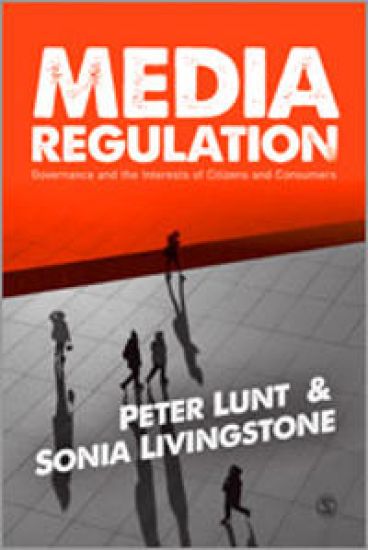
Media Regulation

Media Regulation

Peter Lunt; Sonia Livingstone

SAGE Publications Ltd
2011
sidottu
"An exemplary study of how media regulation works (and, by implication, how it could work better) set within a wider discussion of democratic theory and political values. It will be of interest not only to students and scholars but to people around the world grappling with the same problem: the need to regulate markets, and the difficulty of doing this well." - James Curran, Goldsmiths, University of London In Media Regulation, two leading scholars of the media examine the challenges of regulation in the global mediated sphere. This book explores the way that regulation affects the relations between government, the media and communications market, civil society, citizens and consumers. Drawing on theories of governance and the public sphere, the book critically analyzes issues at the heart of today's media, from the saturation of advertising to burdens on individuals to control their own media literacy. Peter Lunt and Sonia Livingstone incisively lay bare shifts in governance and the new role of the public sphere which implicate self-regulation, the public interest, the role of civil society and the changing risks and opportunities for citizens and consumers. It is essential reading to understand the forces that are reshaping the media landscape.
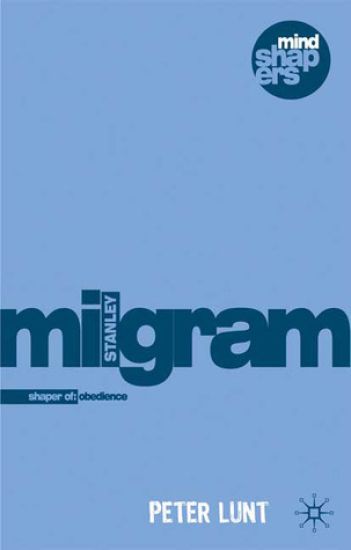
Stanley Milgram

Stanley Milgram

Peter Lunt

Red Globe Press
2009
nidottu
In a series of ingenious studies, social psychologist Stanley Milgram, examined the impact of modern society on the psychology of individuals. His most famous experiment saw participants commanded to administer painful electric shocks to supposed fellow volunteers and their compliance raised serious questions about the limits of moral autonomy and the ability of individuals to resist authority. Lunt explores the historical and cultural setting of Milgram's social psychology, his intellectual roots and the continuing relevance of his research today. This authoritative introduction is essential reading for all those interested in the psychology of power and obedience.
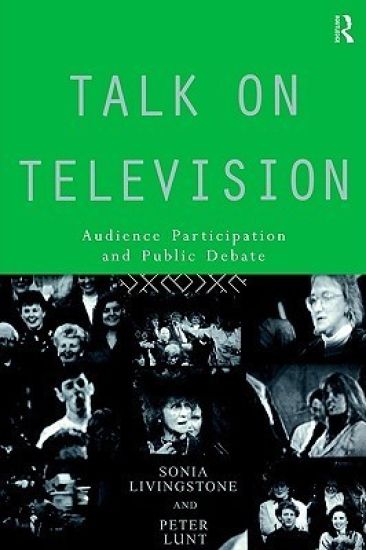
Talk on Television

Talk on Television

Sonia Livingstone; Peter Lunt

Routledge
1993
nidottu
Not only is everyday conversation increasingly dependent on television, but more and more people are appearing on television to discuss social and personal issues. Is any public good served by these programmes or are they simply trashy entertainment which fills the schedules cheaply? Talk on Television examines the value and significance of televised public debate. Analysing a wide range of programmes including Kilroy, Donohue and The Oprah Winfrey Show, the authors draw on interviews with both the studio participants and with those watching at home. They ask how the media manage discussion programmes and whether the programmes really are providing new 'spaces' for public participators. They find out how audiences interpret the programmes when they appear on the screen themselves, and they unravel the conventions - debate, romance, therapy - which make up the genre. They also consider TV's function as a medium of education and information, finally discussing the dangers and opportunities the genre holds for audience participation and public debate in the future.
Talk on Television

Talk on Television

Sonia Livingstone; Peter Lunt

Routledge
1993
sidottu
Not only is everyday conversation increasingly dependent on television, but more and more people are appearing on television to discuss social and personal issues. Is any public good served by these programmes or are they simply trashy entertainment which fills the schedules cheaply? Talk on Television examines the value and significance of televised public debate. Analysing a wide range of programmes including Kilroy, Donohue and The Oprah Winfrey Show, the authors draw on interviews with both the studio participants and with those watching at home. They ask how the media manage discussion programmes and whether the programmes really are providing new 'spaces' for public participators. They find out how audiences interpret the programmes when they appear on the screen themselves, and they unravel the conventions - debate, romance, therapy - which make up the genre. They also consider TV's function as a medium of education and information, finally discussing the dangers and opportunities the genre holds for audience participation and public debate in the future.