Kirjojen hintavertailu – 12 903 725 kirjaa ja 27 kauppaa

Kirjailija

Peter Pierce

Kirjat ja teokset yhdessä paikassa: 3 kirjaa, julkaisuja vuosilta 1999–2002, suosituimpiin kuuluu Australia's Vietnam War. Vertaile teosten hintoja ja tarkista saatavuus suomalaisista kirjakaupoista.

3 kirjaa

Kirjojen julkaisuvuodet: 1999–2002.

Australia's Vietnam War

Australia's Vietnam War

Jeff Doyle; Jeffrey Grey; Peter Pierce

Texas A M University Press
2002
sidottu
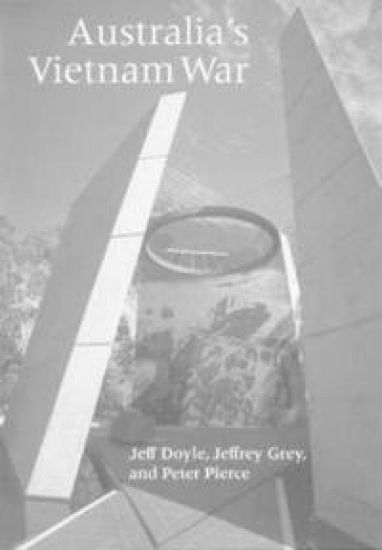
Comparatively little is known about Australia's experience in Vietnam - its motives for entering the conflict, national support for Australia's role there, how the nation dealt with the aftermath of war. Here, Jeff Doyle, Jeffrey Doyle and Peter Pierce chronicle Australia's complicated involvement.
The Country of Lost Children

The Country of Lost Children

Peter Pierce

Cambridge University Press
1999
sidottu
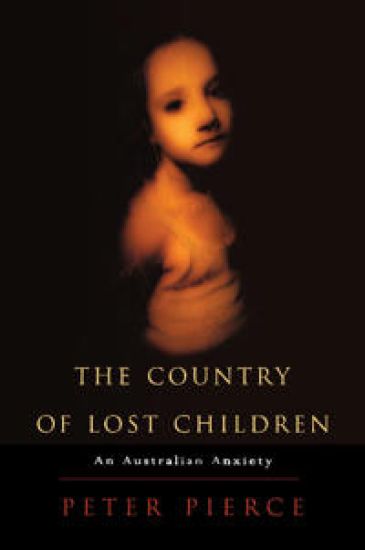
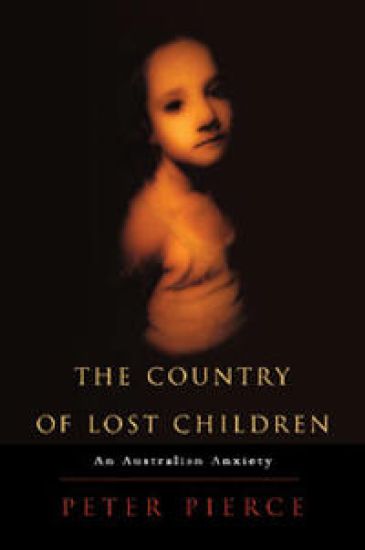
The figure of the lost child has haunted the Australian imagination. Peter Pierce's sometimes shocking study The Country of Lost Children, traces this ambivalent and disturbing history. In the nineteenth century the idea of losing one's child to a strange country reflected white settlers' distrust of their new land and its Aboriginal inhabitants. The book offers insights into the passing of an opportunity for reconciliation between European and indigenous Australians. In the twentieth century the lost child continues to torment the national consciousness, but no longer as the bewildered wanderer in the bush. Instead the emblematic lost child of modern Australia is a victim of abuse, abandonment or abduction. Drawing on a wide range of sources, from poetry, fiction and newspaper reports to paintings and films, this book analyses the cultural and moral implications of the lost child in our history.
The Country of Lost Children

The Country of Lost Children

Peter Pierce

Cambridge University Press
1999
pokkari
The figure of the lost child has haunted the Australian imagination. Peter Pierce’s original and sometimes shocking study The Country of Lost Children traces this ambivalent and disturbing history. In the nineteenth century the idea of losing one’s child to a strange country reflected white settlers’ distrust of their new land and its Aboriginal inhabitants. The book offers original insights into the passing of an opportunity for reconciliation between European and indigenous Australians. In the twentieth century the lost child continues to torment the national consciousness, but no longer as the bewildered wanderer in the bush. Instead the emblematic lost child of modern Australia is a victim of abuse, abandonment or abduction. Drawing on a wide range of sources, from poetry, fiction and newspaper reports to paintings and films, this book analyses the cultural and moral implications of the lost child in our history.