Kirjojen hintavertailu – 12 903 725 kirjaa ja 27 kauppaa
Kirjailija
Phil Fontaine
Kirjat ja teokset yhdessä paikassa: 3 kirjaa, julkaisuja vuosilta 2015–2026, suosituimpiin kuuluu With a Name Like Chief. Vertaile teosten hintoja ja tarkista saatavuus suomalaisista kirjakaupoista.
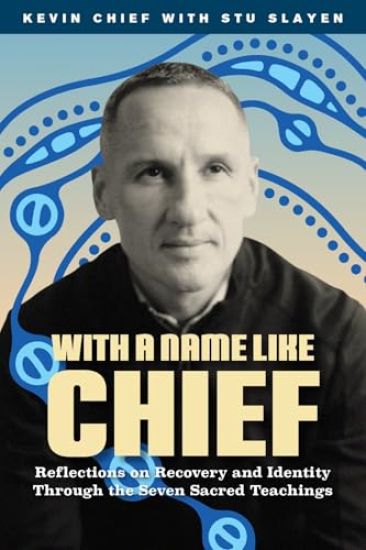
In this memoir for adult readers, Anishinaabe community leader, politician, and advocate Kevin Chief shares his life story: from growing up in poverty in Winnipeg's North End, to becoming a star and the captain of his university basketball team, to twice being elected to the Manitoba legislature.
It can start with a knock on the door one morning. It is the local Indian agent, or the parish priest, or, perhaps, a Mounted Police officer."" So began the school experience of many Indigenous children in Canada for more than a hundred years, and so begins the history of residential schools prepared by the Truth & Reconciliation Commission of Canada (TRC). Between 2008 and 2015, the TRC provided opportunities for individuals, families, and communities to share their experiences of residential schools and released several reports based on 7000 survivor statements and five million documents from government, churches, and schools, as well as a solid grounding in secondary sources. A Knock on the Door, published in collaboration with the National Research Centre for Truth & Reconciliation, gathers material from the several reports the TRC has produced to present the essential history and legacy of residential schools in a concise and accessible package that includes new materials to help inform and contextualize the journey to reconciliation that Canadians are now embarked upon. Survivor and former National Chief of the Assembly First Nations, Phil Fontaine, provides a Foreword, and an Afterword introduces the holdings and opportunities of the National Centre for Truth & Reconciliation, home to the archive of recordings, and documents collected by the TRC. As Aimée Craft writes in the Afterword, knowing the historical backdrop of residential schooling and its legacy is essential to the work of reconciliation. In the past, agents of the Canadian state knocked on the doors of Indigenous families to take the children to school. Now, the Survivors have shared their truths and knocked back. It is time for Canadians to open the door to mutual understanding, respect, and reconciliation.
It can start with a knock on the door one morning. It is the local Indian agent, or the parish priest, or, perhaps, a Mounted Police officer. So began the school experience of many Indigenous children in Canada for more than a hundred years, and so begins the history of residential schools prepared by the Truth & Reconciliation Commission of Canada (TRC). Between 2008 and 2015, the TRC provided opportunities for individuals, families, and communities to share their experiences of residential schools and released several reports based on 7000 survivor statements and five million documents from government, churches, and schools, as well as a solid grounding in secondary sources. A Knock on the Door, published in collaboration with the National Research Centre for Truth & Reconciliation, gathers material from the several reports the TRC has produced to present the essential history and legacy of residential schools in a concise and accessible package that includes new materials to help inform and contextualize the journey to reconciliation that Canadians are now embarked upon. Survivor and former National Chief of the Assembly First Nations, Phil Fontaine, provides a Foreword, and an Afterword introduces the holdings and opportunities of the National Centre for Truth & Reconciliation, home to the archive of recordings, and documents collected by the TRC. As Aimee Craft writes in the Afterword, knowing the historical backdrop of residential schooling and its legacy is essential to the work of reconciliation. In the past, agents of the Canadian state knocked on the doors of Indigenous families to take the children to school. Now, the Survivors have shared their truths and knocked back. It is time for Canadians to open the door to mutual understanding, respect, and reconciliation.