Kirjojen hintavertailu – 12 859 818 kirjaa ja 27 kauppaa

Kirjailija

Phil Hutchinson

Kirjat ja teokset yhdessä paikassa: 3 kirjaa, julkaisuja vuosilta 2008–2016, suosituimpiin kuuluu KiCad - Getting Started in KiCad. Vertaile teosten hintoja ja tarkista saatavuus suomalaisista kirjakaupoista.

3 kirjaa

Kirjojen julkaisuvuodet: 2008–2016.

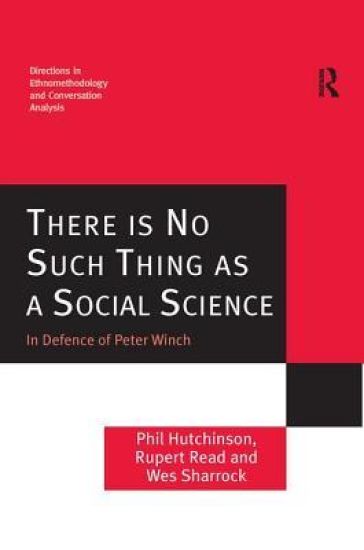
There is No Such Thing as a Social Science

There is No Such Thing as a Social Science

Phil Hutchinson; Rupert Read; Wes Sharrock

Routledge
2016
nidottu
The death of Peter Winch in 1997 sparked a revived interest in his work with this book arguing his work suffered misrepresentation in both recent literature and in contemporary critiques of his writing. Debates in philosophy and sociology about foundational questions of social ontology and methodology often claim to have adequately incorporated and moved beyond Winch's concerns. Re-establishing a Winchian voice, the authors examine how such contentions involve a failure to understand central themes in Winch's writings and that the issues which occupied him in his Idea of a Social Science and its Relation to Philosophy and later papers remain central to social studies. The volume offers a careful reading of the text in alliance with Wittgensteinian insights and alongside a focus on the nature and results of social thought and inquiry. It draws parallels with other movements in the social studies, notably ethnomethodology, to demonstrate how Winch's central claim is both more significant and more difficult to transcend than sociologists and philosophers have hitherto imagined.

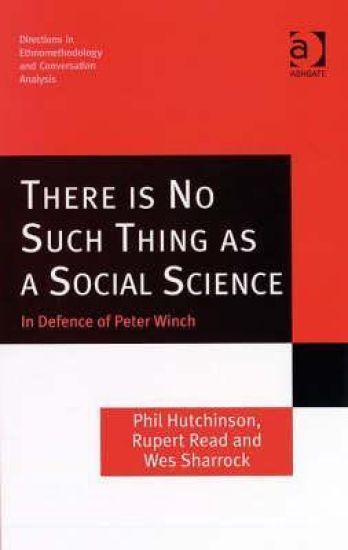
There is No Such Thing as a Social Science

There is No Such Thing as a Social Science

Phil Hutchinson; Rupert Read; Wes Sharrock

Ashgate Publishing Limited
2008
sidottu
The death of Peter Winch in 1997 sparked a revived interest in his work with this book arguing his work suffered misrepresentation in both recent literature and in contemporary critiques of his writing. Debates in philosophy and sociology about foundational questions of social ontology and methodology often claim to have adequately incorporated and moved beyond Winch's concerns. Re-establishing a Winchian voice, the authors examine how such contentions involve a failure to understand central themes in Winch's writings and that the issues which occupied him in his Idea of a Social Science and its Relation to Philosophy and later papers remain central to social studies. The volume offers a careful reading of the text in alliance with Wittgensteinian insights and alongside a focus on the nature and results of social thought and inquiry. It draws parallels with other movements in the social studies, notably ethnomethodology, to demonstrate how Winch's central claim is both more significant and more difficult to transcend than sociologists and philosophers have hitherto imagined.