Kirjojen hintavertailu – 12 903 725 kirjaa ja 27 kauppaa

Kirjailija

Philip Ackerman-Leist

Kirjat ja teokset yhdessä paikassa: 3 kirjaa, julkaisuja vuosilta 2013–2017, suosituimpiin kuuluu A Precautionary Tale. Vertaile teosten hintoja ja tarkista saatavuus suomalaisista kirjakaupoista.

3 kirjaa

Kirjojen julkaisuvuodet: 2013–2017.

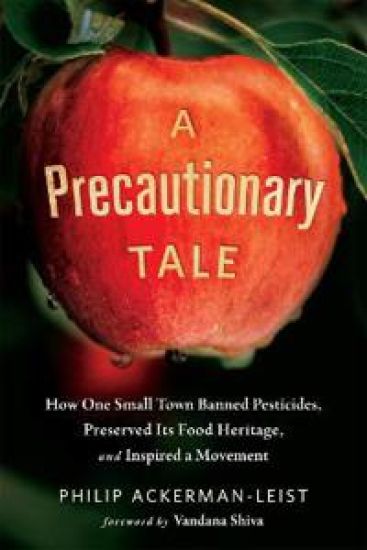
A Precautionary Tale

A Precautionary Tale

Philip Ackerman-Leist; Vandana Shiva

Chelsea Green Publishing Co
2017
nidottu
Mals, Italy, has long been known as the breadbasket of the Tyrol. But recently the tiny town became known for something else entirely. A Precautionary Tale tells us why, introducing readers to an unlikely group of activists and a forward-thinking mayor who came together to ban pesticides in Mals by a referendum vote—making it the first place on Earth to accomplish such a feat, and a model for other towns and regions to follow. For hundreds of years, the people of Mals had cherished their traditional foodways and kept their local agriculture organic. Their town had become a mecca for tourists drawn by the alpine landscape, the rural and historic character of the villages, and the fine breads, wines, cheeses, herbs, vegetables, and the other traditional foods they produced. Yet Mals is located high up in the eastern Alps, and the valley below was being steadily overtaken by big apple producers, heavily dependent on pesticides. As Big Apple crept further and further up the region’s mountainsides, their toxic spray drifted with the valley’s ever-present winds and began to fall on the farms and fields of Mals—threatening their organic certifications, as well as their health and that of their livestock. The advancing threats gradually motivated a diverse cast of characters to take action—each in their own unique way, and then in concert in an iconic display of direct democracy in action. As Ackerman-Leist recounts their uprising, we meet an organic dairy farmer who decides to speak up when his hay is poisoned by drift; a pediatrician who engaged other medical professionals to protect the soil, water, and air that the health of her patients depends upon; a hairdresser whose salon conversations mobilized the town’s women in an extraordinarily conceived campaign; and others who together orchestrated one of the rare revolutionary successes of our time and inspired a movement now snaking its way through Europe and the United States. A foreword by Vandana Shiva calls upon others to follow in Mals’s footsteps.
The Woodland Homestead

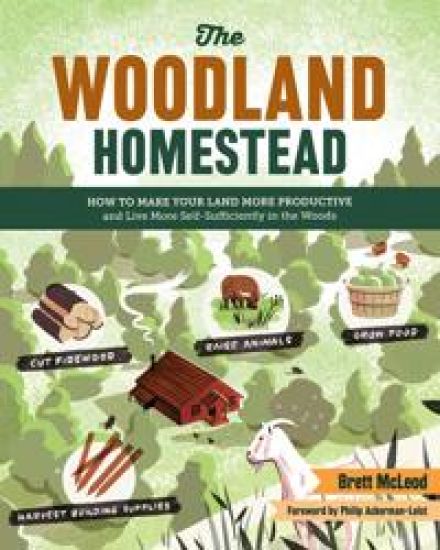
The Woodland Homestead

Brett McLeod; Philip Ackerman-Leist

Storey Publishing LLC
2015
pokkari
Put your wooded land to work! This comprehensive manual shows you how to use your woodlands to produce everything from wine and mushrooms to firewood and livestock feed. You’ll learn how to take stock of your woods; use axes, bow saws, chainsaws, and other key tools; create pasture and silvopasture for livestock; prune and coppice trees to make fuel, fodder, and furniture; build living fencing and shelters for animals; grow fruit trees and berries in a woodland orchard; make syrup from birch, walnut, or boxelder trees; and much more. Whether your property is entirely or only partly wooded, this is the guide you need to make the best use of it.
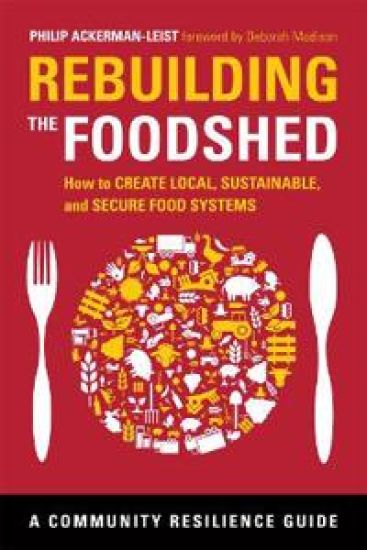
Rebuilding the Foodshed

Rebuilding the Foodshed

Philip Ackerman-Leist; Deborah Madison

Chelsea Green Publishing Co
2013
nidottu
Droves of people have turned to local food as a way to retreat from our broken industrial food system. From rural outposts to city streets, they are sowing, growing, selling, and eating food produced close to home—and they are crying out for agricultural reform. All this has made "local food" into everything from a movement buzzword to the newest darling of food trendsters. But now it's time to take the conversation to the next level. That's exactly what Philip Ackerman-Leist does in Rebuilding the Foodshed, in which he refocuses the local-food lens on the broad issue of rebuilding regional food systems that can replace the destructive aspects of industrial agriculture, meet food demands affordably and sustainably, and be resilient enough to endure potentially rough times ahead. Changing our foodscapes raises a host of questions. How far away is local? How do you decide the size and geography of a regional foodshed? How do you tackle tough issues that plague food systems large and small—issues like inefficient transportation, high energy demands, and rampant food waste? How do you grow what you need with minimum environmental impact? And how do you create a foodshed that's resilient enough if fuel grows scarce, weather gets more severe, and traditional supply chains are hampered? Showcasing some of the most promising, replicable models for growing, processing, and distributing sustainably grown food, this book points the reader toward the next stages of the food revolution. It also covers the full landscape of the burgeoning local-food movement, from rural to suburban to urban, and from backyard gardens to large-scale food enterprises.