Kirjojen hintavertailu – 12 859 828 kirjaa ja 27 kauppaa

Kirjailija

Philip J. Flores

Kirjat ja teokset yhdessä paikassa: 4 kirjaa, julkaisuja vuosilta 2004–2023, suosituimpiin kuuluu Group Psychotherapy with Addicted Populations. Vertaile teosten hintoja ja tarkista saatavuus suomalaisista kirjakaupoista.

4 kirjaa

Kirjojen julkaisuvuodet: 2004–2023.

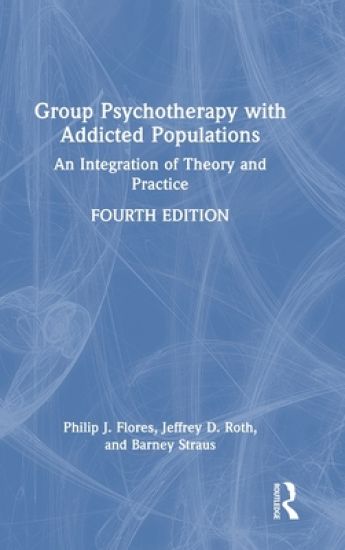
Group Psychotherapy with Addicted Populations

Group Psychotherapy with Addicted Populations

Philip J. Flores; Jeffrey Roth; Barney Straus

TAYLOR FRANCIS LTD
2023
sidottu
This newly updated and streamlined edition of Group Psychotherapy with Addicted Populations provides proven strategies for combating alcohol and drug addiction through group psychotherapy. The interventions discussed in the book build on a foundation of addiction as an attachment disorder rooted in the understanding of addiction as a family disease. An appreciation of group and organizational dynamics is used to address the complex experience of developmental trauma that underlies addiction. Having identified the essential theoretical underpinnings of supporting recovery from addiction in Part One, the second half of the book gives a thorough nuts and bolts description of constructing a psychotherapy group and engaging productively in the successive phases of its development from initiation of treatment to termination. The book concludes with specific recommendations for group psychotherapists to increase their competence with groups, deepen their appreciation of group and organizational dynamics and develop a community of support for their own well-being. These methods are important for psychotherapists working with addicted populations who are inexperienced with group psychotherapy as well as seasoned group psychotherapists wishing to enhance their work.
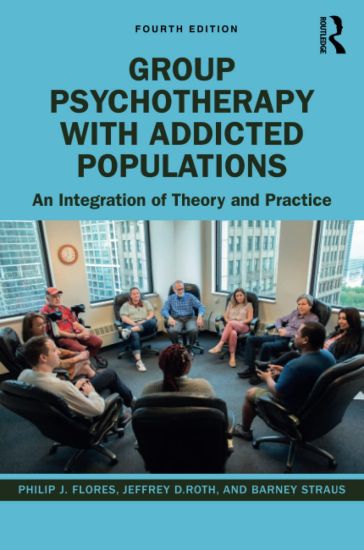
Group Psychotherapy with Addicted Populations

Group Psychotherapy with Addicted Populations

Philip J. Flores; Jeffrey Roth; Barney Straus

Routledge
2023
nidottu
This newly updated and streamlined edition of Group Psychotherapy with Addicted Populations provides proven strategies for combating alcohol and drug addiction through group psychotherapy. The interventions discussed in the book build on a foundation of addiction as an attachment disorder rooted in the understanding of addiction as a family disease. An appreciation of group and organizational dynamics is used to address the complex experience of developmental trauma that underlies addiction. Having identified the essential theoretical underpinnings of supporting recovery from addiction in Part One, the second half of the book gives a thorough nuts and bolts description of constructing a psychotherapy group and engaging productively in the successive phases of its development from initiation of treatment to termination. The book concludes with specific recommendations for group psychotherapists to increase their competence with groups, deepen their appreciation of group and organizational dynamics and develop a community of support for their own well-being. These methods are important for psychotherapists working with addicted populations who are inexperienced with group psychotherapy as well as seasoned group psychotherapists wishing to enhance their work.
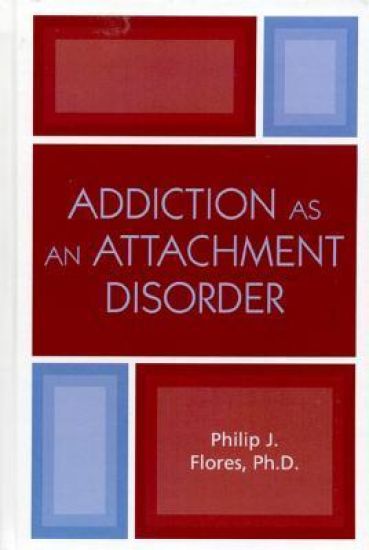
Addiction as an Attachment Disorder

Addiction as an Attachment Disorder

Philip J. Flores

Jason Aronson Inc. Publishers
2011
nidottu
From the Foreword: "Addiction is a disorder in self-regulation. Individuals who become dependent on addictive substances cannot regulate their emotions, self-care, self-esteem, and relationships. In this monumental and illuminating text Philip Flores covers all the reasons why this is so. But it is the domain of interpersonal relations that he makes clear why individuals susceptible to substance use disorders (SUDs) are especially vulnerable. His emphasis on addiction as an attachment disorder is principally important because he provides extensive scholarly and clinical insights as to why certain vulnerable individuals so desperately need to substitute chemical solutions and connections for human ones. The strength of Flores's paradigm of addiction as an attachment disorder is that it is a theory that effectively and wisely guides treatment, but at the same time, when properly implemented or practiced, the treatment resonates with and further enhances the theory. Flores's work here is an extraordinary one because, in parsimonious and clear language, he makes a major contribution to the literature and practice of effective psychotherapy in general and effective psychotherapy for the addictions in particular. He fills in all the gaps between theory and practice covering wide and ranging issues of what practice and empirical findings have to teach about the critical ingredients of AA, group therapy, and individual psychotherapy. This is a job well done because it helps students and experienced clinicians alike to always be mindful of how they bring their humanity to the distress and suffering of others. His theory of addiction as an attachment disorder makes it particularly clear how especially important this is for those suffering with addictive disorders. " —Edward J. Khantzian, M. D., clinical professor of psychiatry, Harvard Medical School A Jason Aronson Book
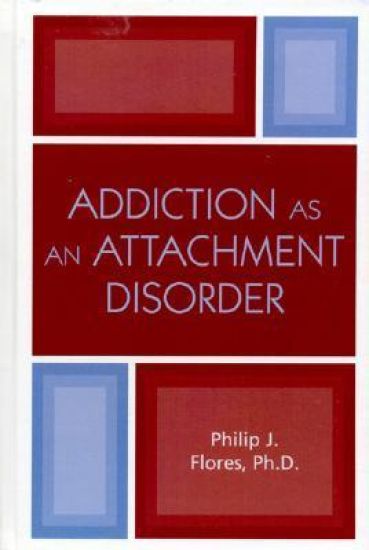
Addiction as an Attachment Disorder

Addiction as an Attachment Disorder

Philip J. Flores

Jason Aronson Inc. Publishers
2004
sidottu
From the Foreword: "Addiction is a disorder in self-regulation. Individuals who become dependent on addictive substances cannot regulate their emotions, self-care, self-esteem, and relationships. In this monumental and illuminating text Philip Flores covers all the reasons why this is so. But it is the domain of interpersonal relations that he makes clear why individuals susceptible to substance use disorders (SUDs) are especially vulnerable. His emphasis on addiction as an attachment disorder is principally important because he provides extensive scholarly and clinical insights as to why certain vulnerable individuals so desperately need to substitute chemical solutions and connections for human ones. The strength of Flores's paradigm of addiction as an attachment disorder is that it is a theory that effectively and wisely guides treatment, but at the same time, when properly implemented or practiced, the treatment resonates with and further enhances the theory. Flores's work here is an extraordinary one because, in parsimonious and clear language, he makes a major contribution to the literature and practice of effective psychotherapy in general and effective psychotherapy for the addictions in particular. He fills in all the gaps between theory and practice covering wide and ranging issues of what practice and empirical findings have to teach about the critical ingredients of AA, group therapy, and individual psychotherapy. This is a job well done because it helps students and experienced clinicians alike to always be mindful of how they bring their humanity to the distress and suffering of others. His theory of addiction as an attachment disorder makes it particularly clear how especially important this is for those suffering with addictive disorders. " —Edward J. Khantzian, M. D., clinical professor of psychiatry, Harvard Medical School A Jason Aronson Book