Kirjojen hintavertailu – 12 859 826 kirjaa ja 27 kauppaa
Kirjailija
Philip John Fisk
Kirjat ja teokset yhdessä paikassa: 5 kirjaa, julkaisuja vuosilta 2017–2022, suosituimpiin kuuluu Jonathan Edwards's Turn from the Classic-Reformed Tradition of Freedom of the Will. Vertaile teosten hintoja ja tarkista saatavuus suomalaisista kirjakaupoista.
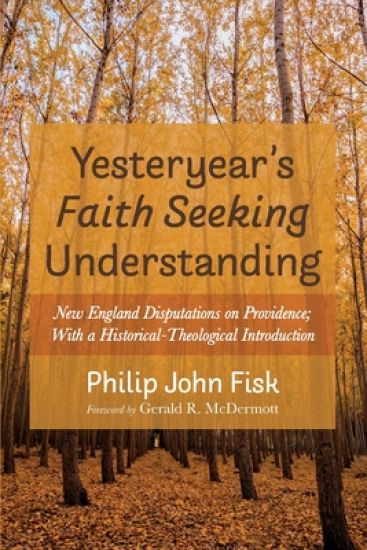
The voices of yesteryear's scholastics are silenced. Scholastic distinctions discarded. Faith seeking understanding cancelled. This book turns to university professors who brought classical, medieval, Reformation, and Renaissance thought to bear on the teaching of the doctrine of providence at the early New England Colleges. Their ultimate purpose was to exonerate God from the charge that he was the author, even actor, of evil. Their scholastic method drew from a long and surprisingly ecumenical and philosophical enterprise in the history of the church. This book's aim is to let the scholastic approaches to the mystery of divine providence speak for themselves. Part One introduces the reader to the art of disputation and provides a guided historical-theological tour of scholastic distinctions that were used by doctors of the church to explain issues related to the doctrine of divine providence. Part Two invites the reader to follow the author on his journeys to Harvard, Yale, the College of New Jersey, and the College of Rhode Island, and Providence Plantations' commencement-day disputations as he engages in Platonic-like dialogues with presidents, rectors, and students of the New England Colleges. While the dialogues are imagined, the characters, times, locations, and quoted texts are real.
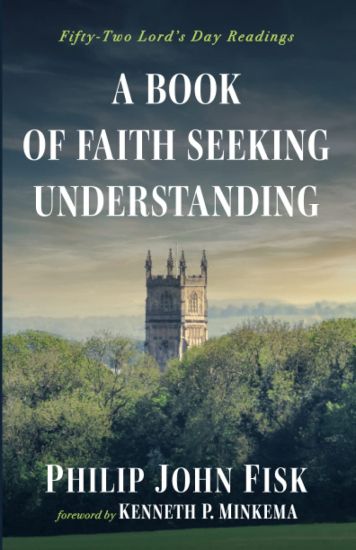
Far too often, the God of the philosophers, those who for the most part had no appointment at a university, are the primary sources relied upon by many authors nowadays in their approach to the problem of evil. These fifty-two Lord's day or Sabbath day readings draw the reader into a dialogue with university professors of the late medieval era and sixteenth and early seventeenth centuries. The theme of these literary renditions of yesteryear's debates and disputations is the perennial quest by theologians to exonerate God from the charge that he is the author of evil. The sophistication and complexity of their scholastic method and solutions to the problem of evil may surprise, but hopefully will persuade, modern day readers to rethink their own conclusion about the problem, and to take up and read university theologians who were formerly unknown, all in the spirit of Anselm's faith seeking understanding.
Far too often, the God of the philosophers, those who for the most part had no appointment at a university, are the primary sources relied upon by many authors nowadays in their approach to the problem of evil. These fifty-two Lord's day or Sabbath day readings draw the reader into a dialogue with university professors of the late medieval era and sixteenth and early seventeenth centuries. The theme of these literary renditions of yesteryear's debates and disputations is the perennial quest by theologians to exonerate God from the charge that he is the author of evil. The sophistication and complexity of their scholastic method and solutions to the problem of evil may surprise, but hopefully will persuade, modern day readers to rethink their own conclusion about the problem, and to take up and read university theologians who were formerly unknown, all in the spirit of Anselm's faith seeking understanding.
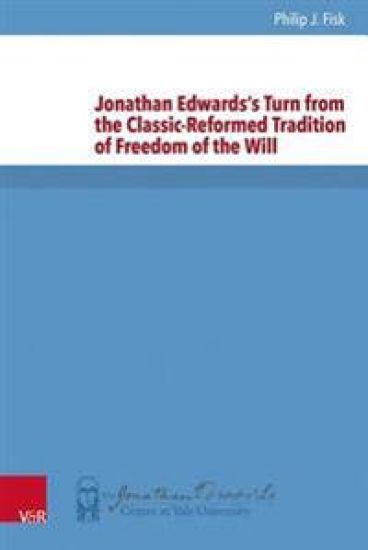
Philip J. Fisk offers a critical reappraisal of Jonathan Edwards's Freedom of Will, interpreting Edwards from within his own tradition, Reformed Orthodoxy (1550-1750), avoiding the outdated paradigms of the conventional interpretation of Edwards and his tradition, a so-called deterministic, reconciliationist Calvinism, and demonstrating from primary sources, such as Harvard and Yale commencement theses and quaestiones, that Edwards departed ways with Reformed Orthodoxy's robust and highly nuanced view of freedom of will, contingency, and necessity.